- Behind the food, there are always people. The food is the way in.
- A good stop needs a story, a person behind it, food worth eating, and room to host a group.
- To find good places, you need to put in the work in the field.
In the winter of 2018 I spent five days on Israel’s only culinary tourism course for licensed guides, an official Ministry of Tourism certification. One day in a classroom, then four out on the road.
The course took us around the country. The farms of the Sharon, the wine country around Zichron Ya’akov, the Western Galilee from Mi’ilya to Akko and finally the Carmel Market in Tel Aviv.
I came home stuffed, and with a lot of food for thought (sorry, I couldn’t resist!).
The main takeaway
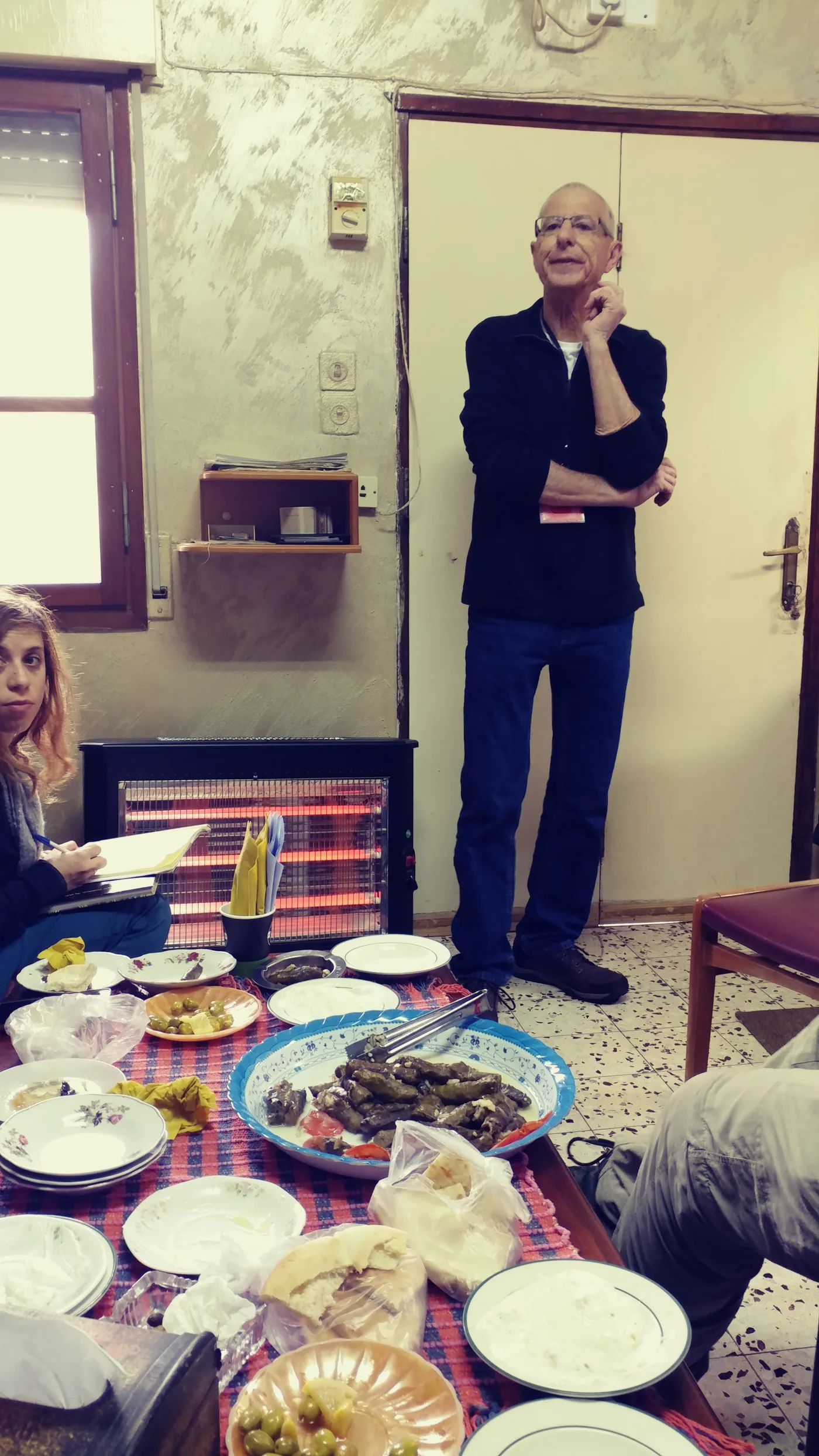
Hagit Avron, who led the course, opened the very first morning by telling us that behind the food, there are always people.
The food can be delicious, but it’s just the appetizer (sorry, there I go again!). It’s the way in. It’s a good excuse to meet somebody and get them talking about where they are from and how they live.
And we saw it throughout the course. Every single stop we made we connected to a person.
Tami, who trained as a lawyer and now runs an organic farm. Barak, whose family have grown grapes on the same land since 1882 and who spent years working out why a scorned grape was worth rescuing. Golan, a fifth generation winemaker who was sent abroad to study oenology and didn’t want to go.
Madeleine bottling her olives one at a time. Hagit, who walked out of a Ford factory to learn baking. Arin, who named a hummus spot after her father.
Passionate people, who care deeply about what they do. Who take pride in the craft and the joy they bring people through what they produce.
What makes a stop worth taking guests to
A potential destination has to clear more than one bar. It needs a story. It needs a person behind it. The food has to be genuinely worth eating. And, practically, it has to actually be able to host you: reachable, able to seat you.
Plenty of places clear one or two of those and fail the rest. A wonderful story with mediocre food is a waste of an hour. Wonderful food with nobody to talk to is just lunch.
Hagit said that you won’t find these places easily. Not the really good ones, anyway.
They’re not all in a book, and you can’t just look them up online. You find them on foot, by going out and looking, and by talking to people who already know a region. She was blunt that for all the information out there now, nothing has replaced doing the legwork.
How it impacted my tours
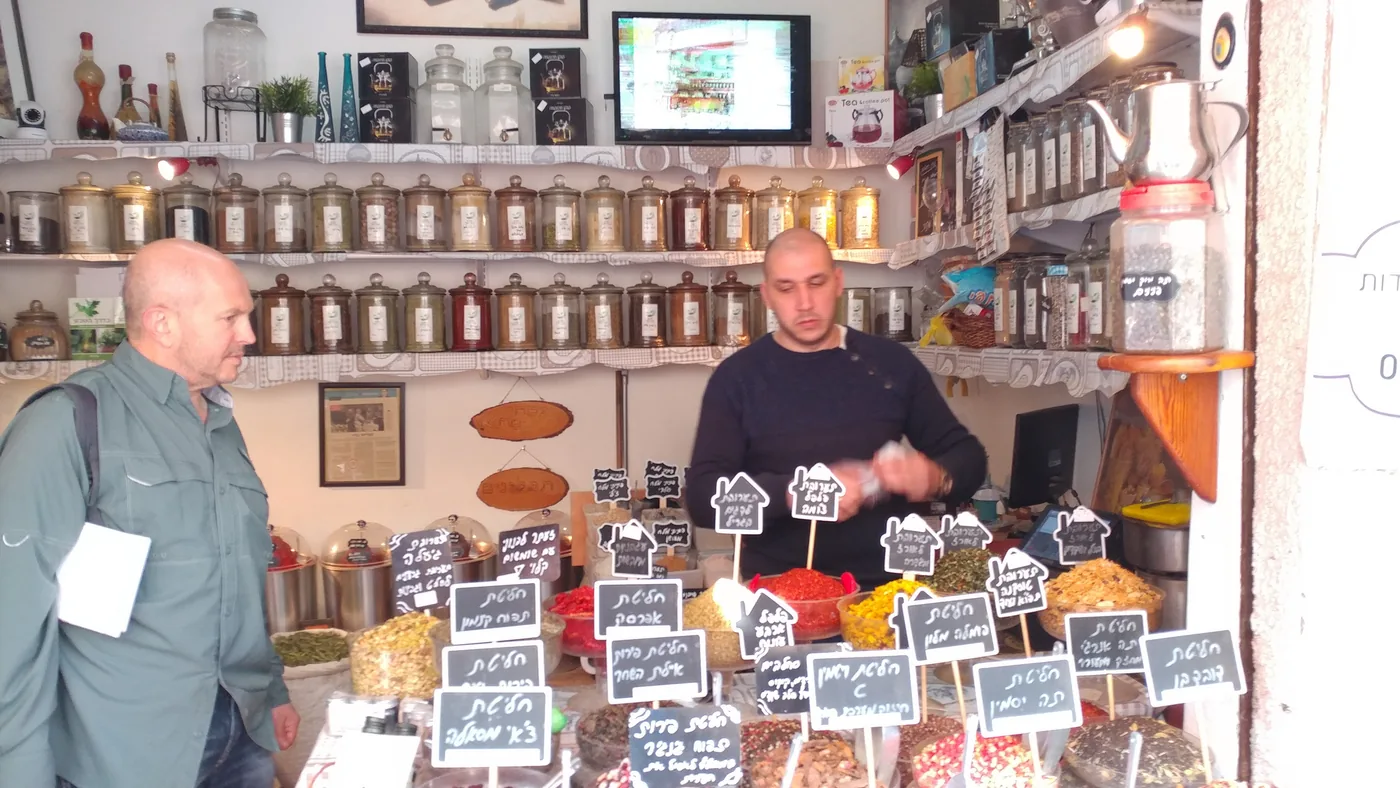
The most concrete thing the course gave me was the confidence to run food days myself, rather than hand guests over to a specialist and stand at the back.
Since then I’ve built my own market tours, in the Carmel and Hatikva in Tel Aviv, and in Jerusalem’s Machane Yehuda, actively hunting out the food stops worth taking people to.
What I try to do at every one is exactly what the course drummed into me: bring out the story behind the dish, and the person making it.
The practical habits stuck too. A market stall, read properly, is a short history of the country, and the person behind it is usually the best thing on it.
And there’s a piece of pure logistics: manage the appetite. If you let a group fill up at the first stop, you’ve ruined the four that follow.
Who a food tour is actually for
People assume a food tour is for foodies. It is, but not only.
I’ve guided some serious food people on days like these: the owner of a Michelin-starred restaurant, the food critic of a leading UK newspaper, the owner of a Napa winery, along with plenty of passionate amateurs.
But these tours are really for anyone who wants the shortest route into how a place lives. You don’t need to know anything about cooking. You need to be a bit curious about people, and happy to sit down at a table with people you’ve not met before.
If that sounds like your sort of day, it’s exactly the kind of thing I can build into a trip. You can see where it fits in my Israel: a culinary melting pot itinerary.


Leave a comment