
- The Sharon never intentionally set out to be a food destination, its farms and wineries just quietly became one.
- We visited an ex-lawyer’s organic farm, met with a cheese family spread across the religious divide and a boutique winery that revived a forgotten grape.
- The last stop, Kaima, employs teenagers with a hard past. Here the food was doing more than feeding people.
In the winter of 2018 I took Israel’s only culinary tourism course for licensed guides, an official Ministry of Tourism certification. The first session had been in a classroom; this one, a week later, was the first field trip, and it took us to the Sharon, the flat farming belt that runs up the coast north of Tel Aviv.
Our guide for the day was Hagit Avron, who leads the course and writes about culinary tourism for a living. Some people call this region the Tuscany of Israel. I found that a bit funny to be honest, but appreciate the attempt at some smart branding!
Still, it’s not entirely unwarranted; there are many small farms and wineries that have quietly turned decades of agricultural work into an area you can easily spend days eating and drinking.
Classic Sharon farming was citrus, avocado and chicken coops. Nobody set out to make it a food destination. As one of the farmers put it, there was never any intention to turn it touristy; it just happened.
The orchard that became a farm
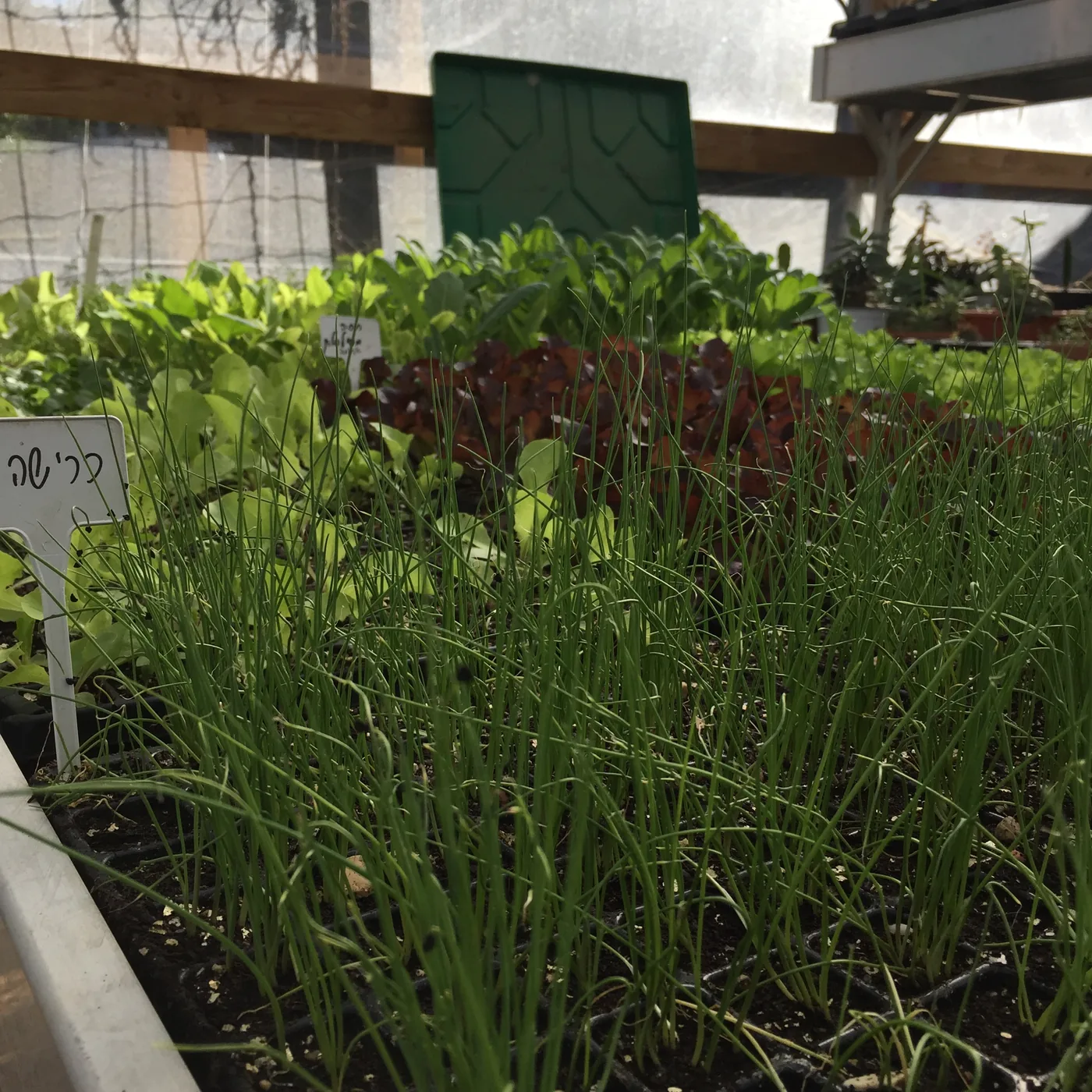
Our first stop was Meshek Albrecht at Bitan Aharon, an organic farm that was a clementine orchard until a few years before.
It’s run by Tami, who had trained and worked as a lawyer. Her parents had bought a nahala, a homestead, which in this part of the country comes with about eighteen dunam (about 4.5 acres) of land you are legally obliged to farm or hand back. So they farmed it, and Tami turned it into something new.
The whole place is built around getting people closer to their food. Three to four hundred visitors come every Shabbat to pick their own vegetables; during the week they welcome school groups, kindergartens, companies out foraging for the afternoon.
One line of hers stuck. “I’m not a stick person, I can only offer carrots, so I go with the carrots.” She meant incentives, but she also meant actual carrots. And her carrots were extremely tasty.
A few interesting takeaways from our visit: There are around eighty varieties of avocado grown in Israel, bred so the season runs almost the whole year. Radishes take three weeks to grow, carrots three months. And vegetables are best eaten at room temperature rather than fridge-cold, or they turn faintly metallic and you lose the sweetness.
She told us her kids will spit a vegetable out at the dinner table, then proudly eat a radish they pulled from the ground an hour earlier. Anyone who has faced a child at meal time will recognise this scenario!
The boutique winery that revived a grape
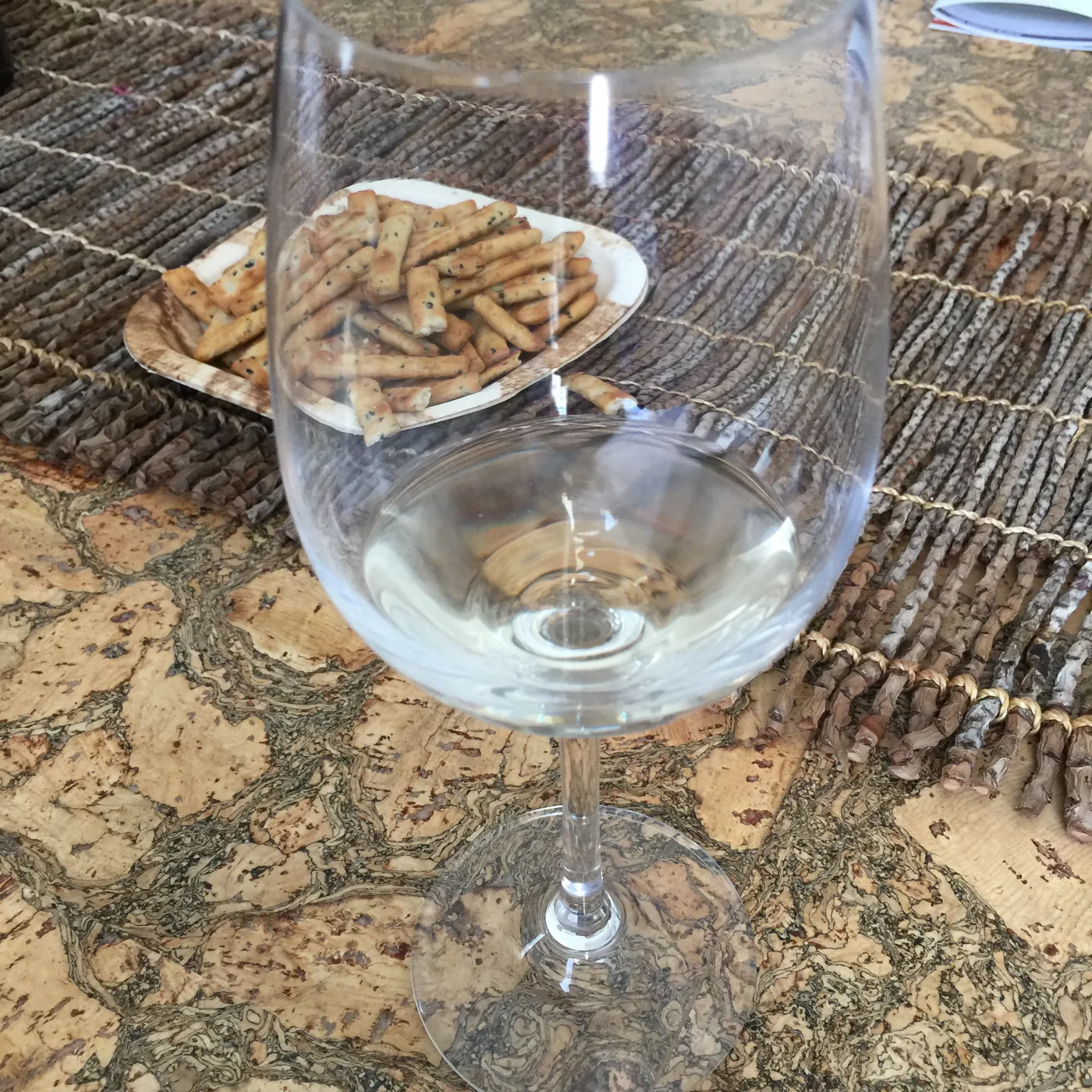
We then drove to Kfar Vitkin and the Vitkin winery, a boutique operation that began very small. Seventeen years on it is a serious name in the Israeli wine landscape.
They work Mediterranean grapes rather than the usual European ones. They also took on carignan, a grape that had long been unappreciated in Israel, and helped turn it back into something people won’t stop asking for.
Here we got a lovely and unexpected aside about terroir from, of all places, the kabbalah (Jewish mysticism); a rabbi’s explanation of why the vine sits highest among plants turned out to be more or less a definition of terroir, the idea that a place makes a flavour its own.
I’m not a big wine drinker but those of us who were more discerning assured me that the wine was excellent!
Cheese, and a family that makes it across a divide
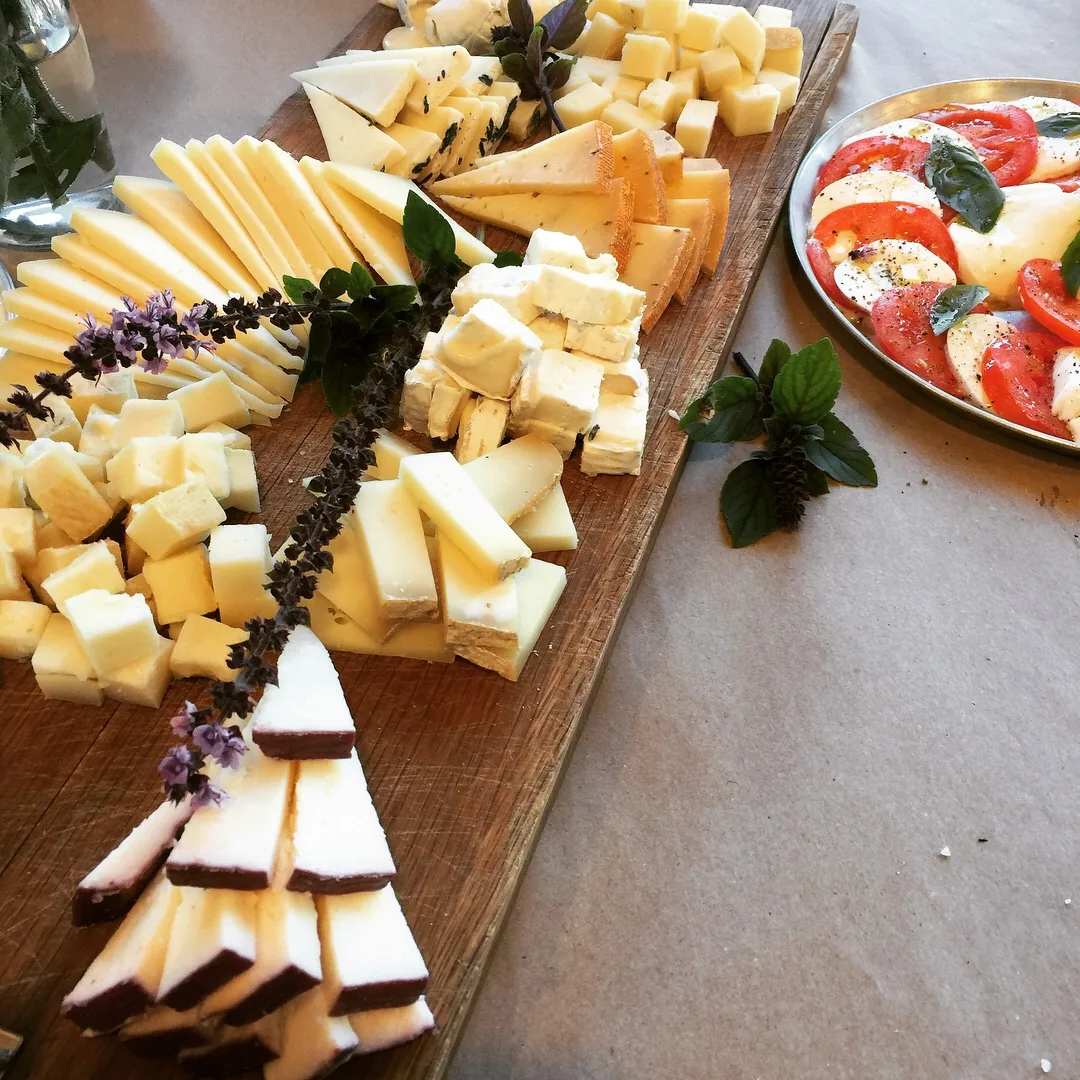
From there we travelled to the Jacobs dairy at Kfar HaRoeh. This was a place I was familiar with as every now and again we’d make a trip up from Tel Aviv for a brunch, or stop off when we were heading up north. My wife and I really like the vibe. And the cheese!
The Jacobs family arrived in Israel in the 1930s from Germany. The grandmother dreamed one day of making cheese, but it took a couple of generations to happen. They built the cowshed in 1975; today there are five brothers, four of them working the dairy, all of them hands-on. They sell only into premium shops.
What I remember most is the human aspect. This is a family spread right across the religious Jewish divide. Kfar HaRoeh is a religious community. Some of the family stayed observant, some left religion, and they still make cheese together.
Next door is the Agadat HaLechem (The Tale of Bread) bakery, ten years old at the time, run by someone who married into the Jacobs family. Great breads, fabulous cheese, all from one family.
Olive oil, and a view of the wall
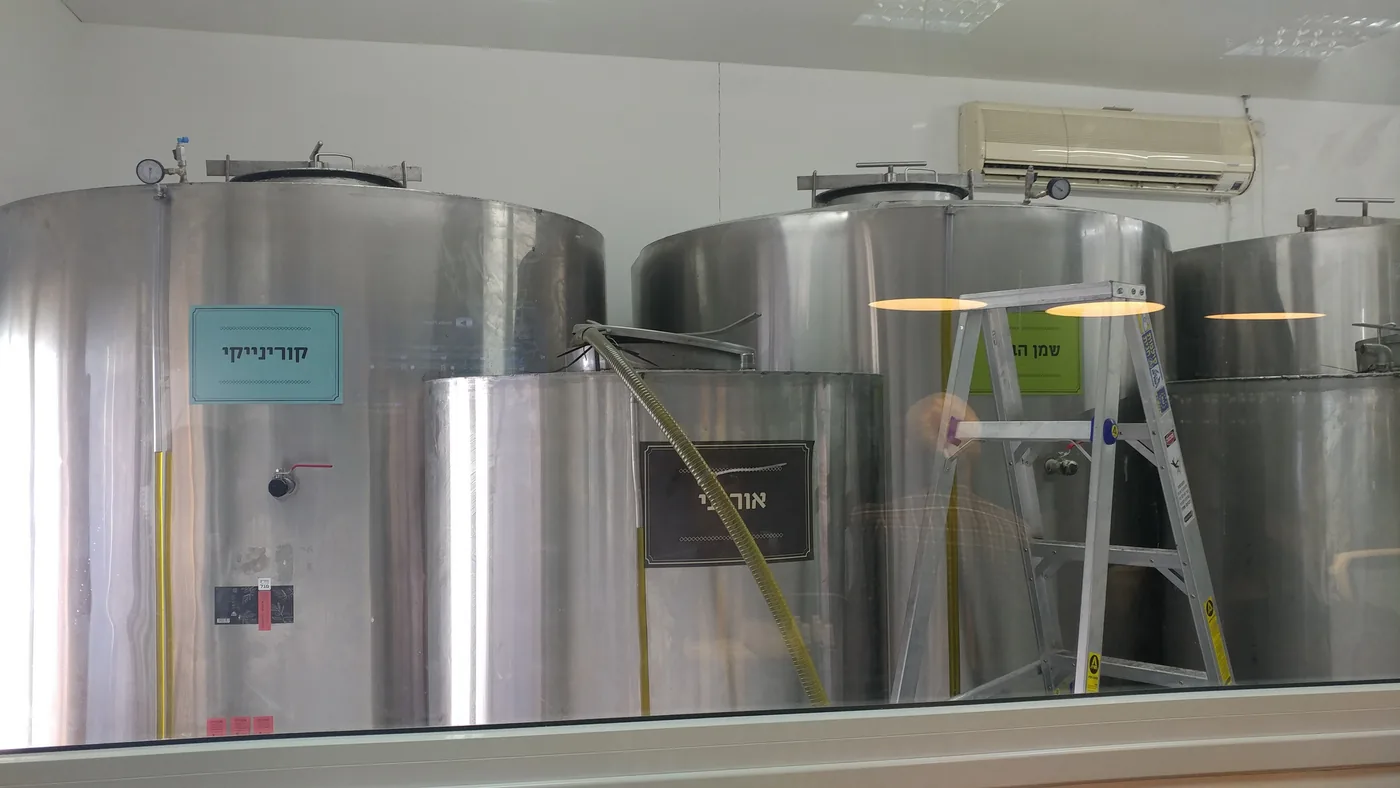
Next was Kibbutz Magal, and the Mesik olive oil factory.
The tasting rules we had learned in the classroom held up! The greener the oil the fresher it is; the more it catches and burns at the back of your throat the better and younger it is. At a place like Mesik the whole business is quality control, because unlike wine there is almost nothing you can do to fix a bad oil once it is pressed.
I began to realise that there was a real risk that this course might ruin me. I’d never been able to tell one olive oil from another, and so normally got the cheapest option in the supermarket for home. I don’t think that will be possible anymore.
Although the day was food focused, we’re still tour guides, and we took a moment to reflect on the location of the kibbutz. From the fields you can see the barrier separating Israel and the West Bank not too far off. It was a reminder of the political realities, whether we wanted it or not.
A farm that grows people
The last stop, at Beerotayim, was Kaima.
It’s an organic farm, and it employs teenagers with a difficult past, fourteen to eighteen years old, for up to a year and a half. They are paid a proper wage, and the work teaches them to show up and take responsibility. You can pick the fruit and vegetables and then cook a meal from them.
We did the picking, but they’d already prepared the meal from stuff they’d picked earlier in the day. And it was a different level of delicious. You can really taste the difference when the produce is fresh.
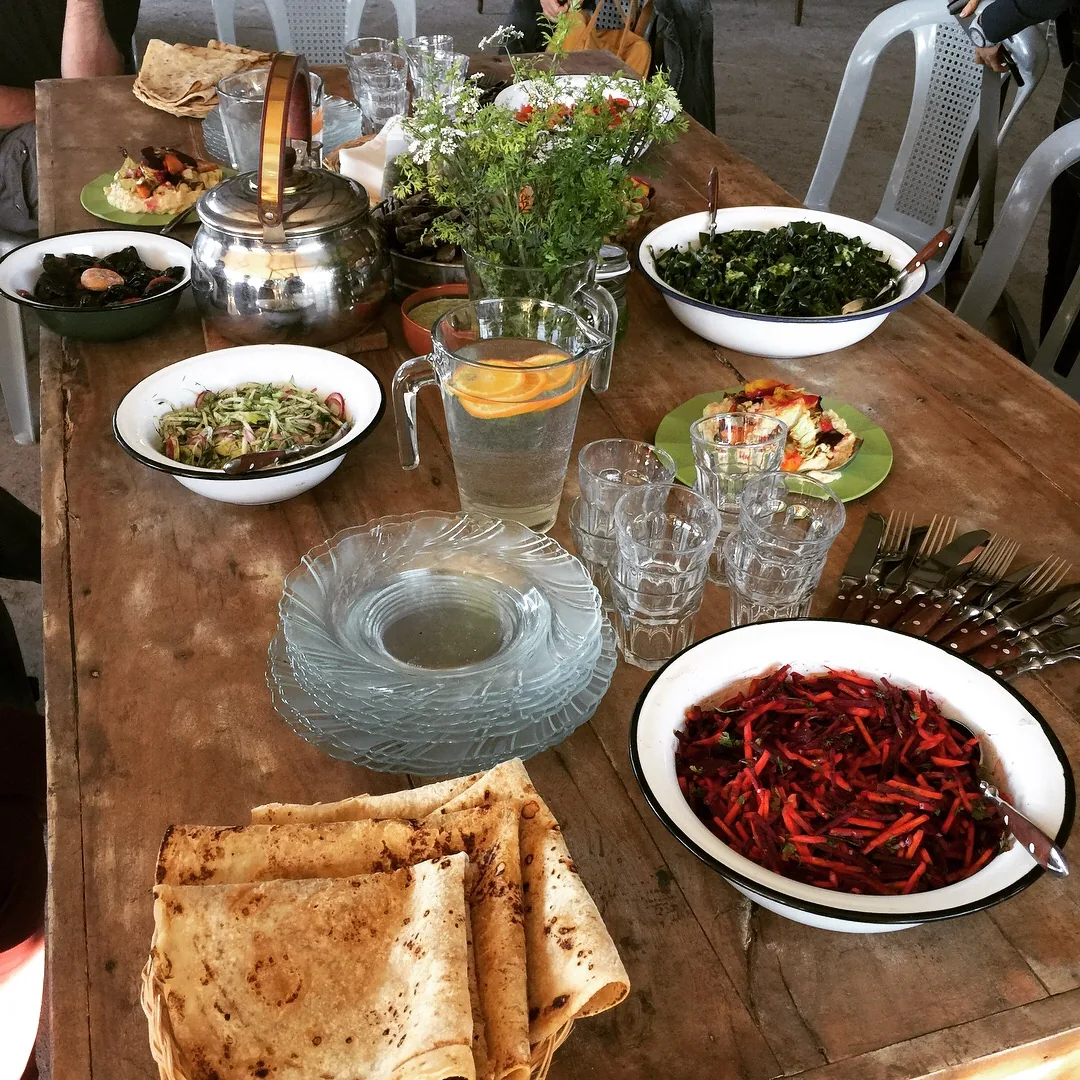
It was the right place to end the day. Food here was doing more than feeding people.
By the time we drove back to Tel Aviv, the ideas from the classroom (farm-to-table, terroir, agritourism) had become real farms and the people running them. And wow was I full!
The following week, the course turned to wine, around Zichron Ya’akov.
If a slow day among the Sharon’s farms and wineries sounds like your kind of thing, it is exactly the sort of day I can build into a trip; you can see where it fits in my Israel: a culinary melting pot itinerary.


Leave a comment