
After the delight of a summer break, it was time to get back into things, and how. Three days in the delightful greenery of the Upper Galilee awaited us, and although the intensiveness of it was a bit of a shock to the system after over a month without field trips, it was as fun and fascinating as always.
The first of our three days was dedicated to the Western Upper Galilee, with another two days for the central and eastern parts of this region. This part of Israel, which runs along the northern border with Lebanon is ‘upper’ in two senses of the word; it is both higher physically and also more northern than the area of the Lower Galilee.
Quick facts & guide tips
| Where | Western Upper Galilee, from inland villages out to the Mediterranean coast at the Lebanese border |
|---|---|
| Key sites | Kfar Yasif, Hurvat Manot, Adamit Park & the Arch Cave, Goren Park (viewpoint over Montfort), Hanita, Rosh Hanikra, Yad L’Yad and the Yechiam Convoy memorial |
| Period | Spans Crusader sugar industry, early Zionist tower-and-stockade settlements and 1946–48 pre-state battle sites |
| Pace | Full day with several short hikes; expect overgrowth at Hurvat Manot and a cable car descent at Rosh Hanikra |
Morning in the western Galilee inland
Kfar Yasif
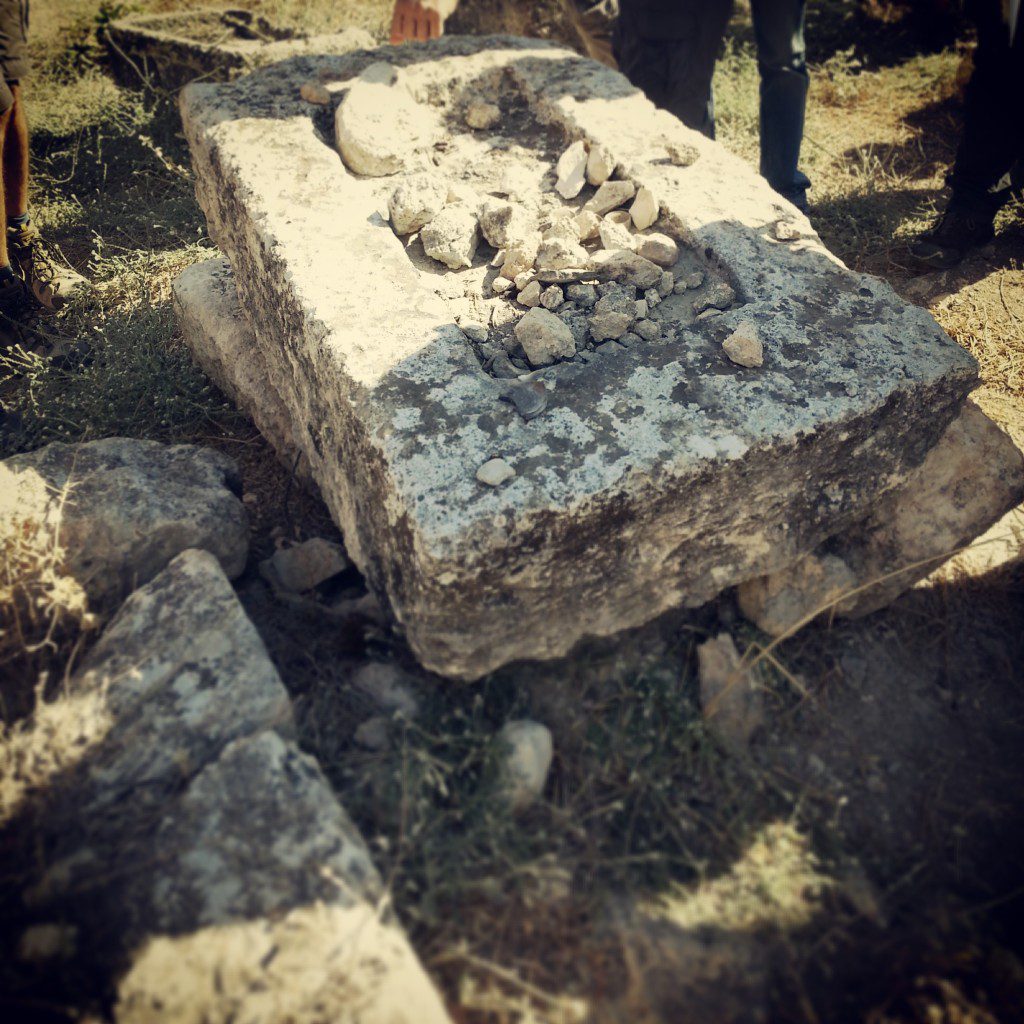
Our day began in the arab village of Kfar Yasif. I have been here on more than one occasion to enjoy the famous hummus at the Abu Adham restaurant. I had however failed to notice the somewhat overgrown remains of a large cemetery close to the town centre. This has actually been a major Jewish cemetery from the middle ages right into the 19th century, and we were pointed towards a couple of graves associated with famous figures, including the Rav Abraham Finzi, deputy British consul in Akko from the late 1830s.
Hurvat Manot
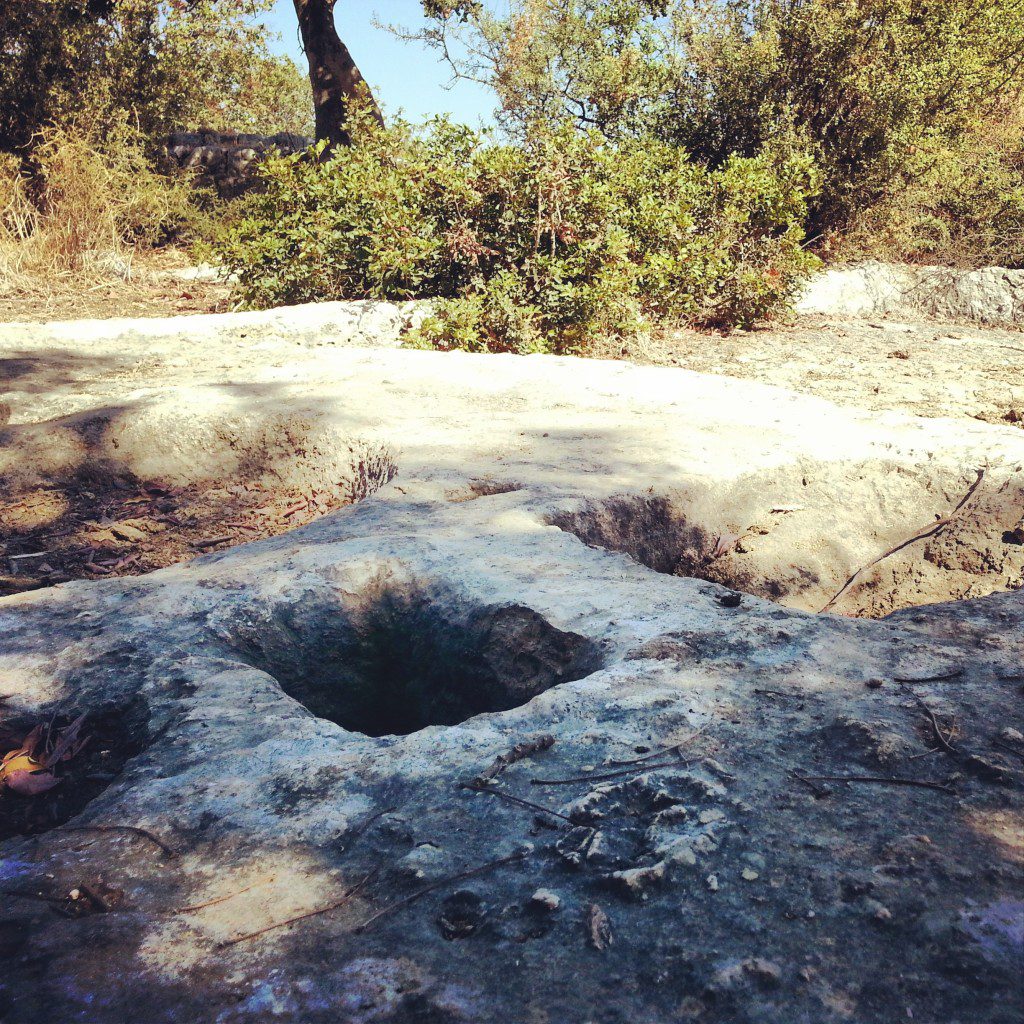
After hearing a little more about the history of Kfar Yasif, we continued north and after a short hike through some relatively serious overgrowth (and a fair amount of cow pats) arrived at the site of Hurvat Manot. The ruins of a crusader fortified farm were not overly exciting on the face of it, but our guide explained that this was in fact a site for the manufacture of cane sugar. He used this as a clever segue to tell us about the history of sugar in Israel (and therefore Europe, as the first sugar reached Europe from here); how the industry was developed and expanded by the Crusaders, making them very wealthy.
Adamit Park and the Arch Cave
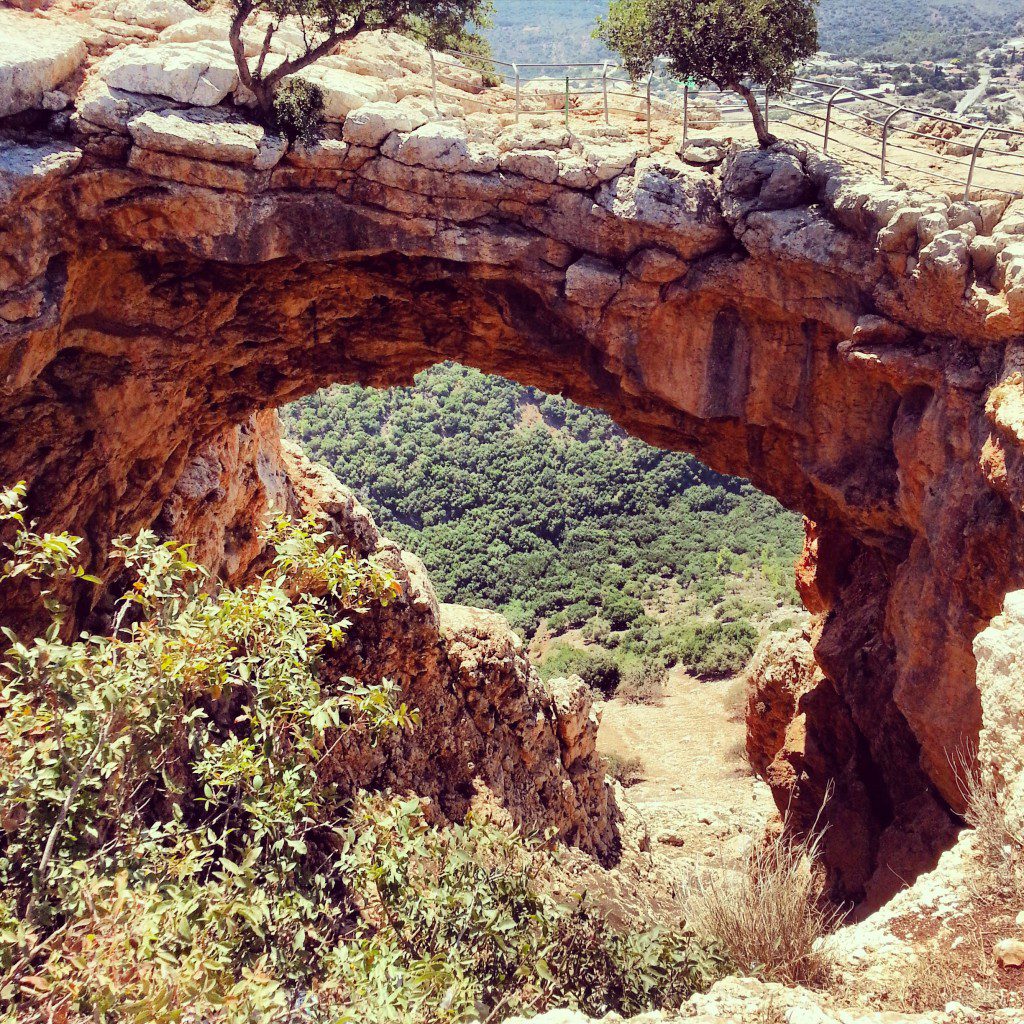
After a quick scramble back to the road, we headed further north to the Adamit Park. We first enjoyed a spectacular view south over the Western Upper Galilee (and beyond) as our guide explained to us how the landscape in front of us was formed over millions of years. We then proceeded to the Arch Cave, where we were regaled with ancient legends about its formation while we enjoyed its beauty.
Goren Park and Montfort
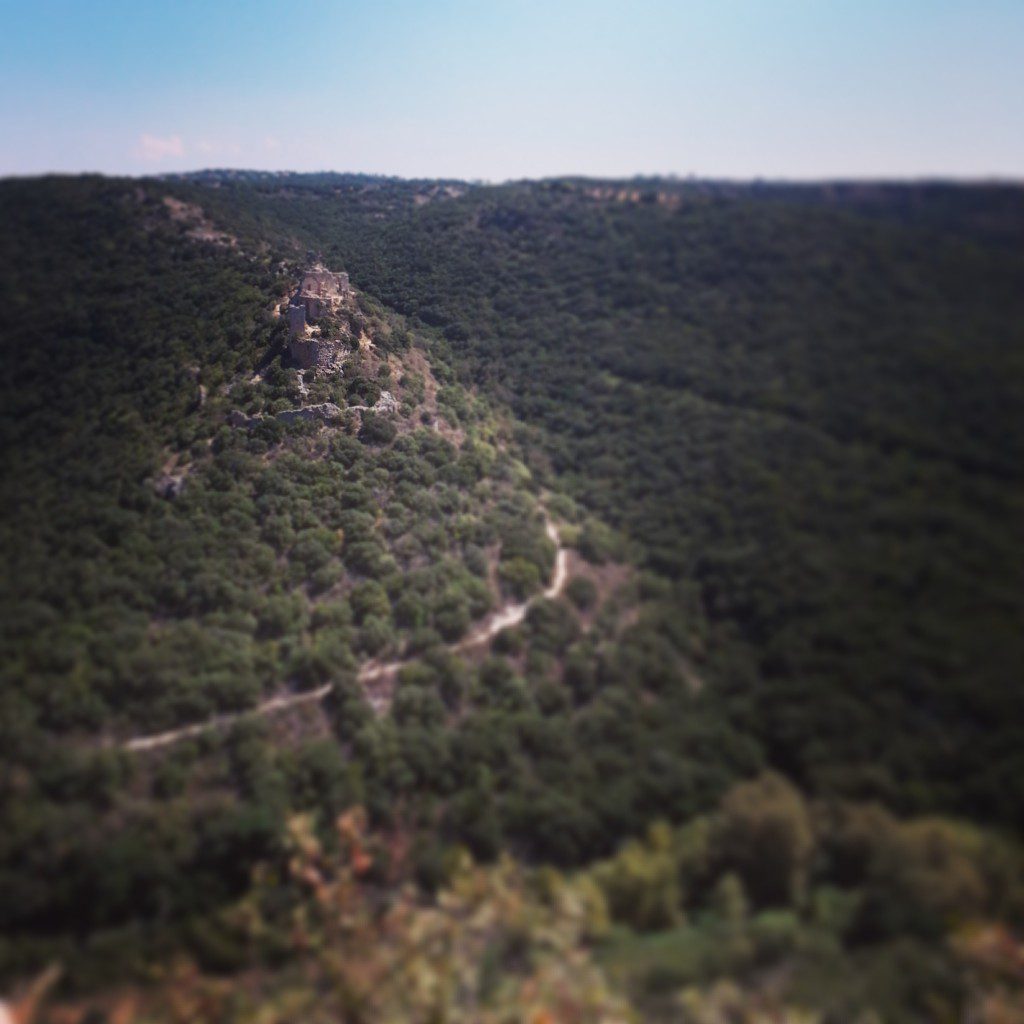
Our next stop was in the Goren Park where we were able to enjoy a viewpoint over the Nachal Kziv and on the opposite bank, the Montfort castle. Avid followers of this blog will recall that I visited the castle just under a year ago with a friend, and quite a splendid site it is too. Our guide told us the story of the site, which at its peak was the centre for the Order of the Teutonic Knights in Israel, until the crusaders were unceremoniously turfed out by the Mamluk invaders.
Hanita and Rosh Hanikra
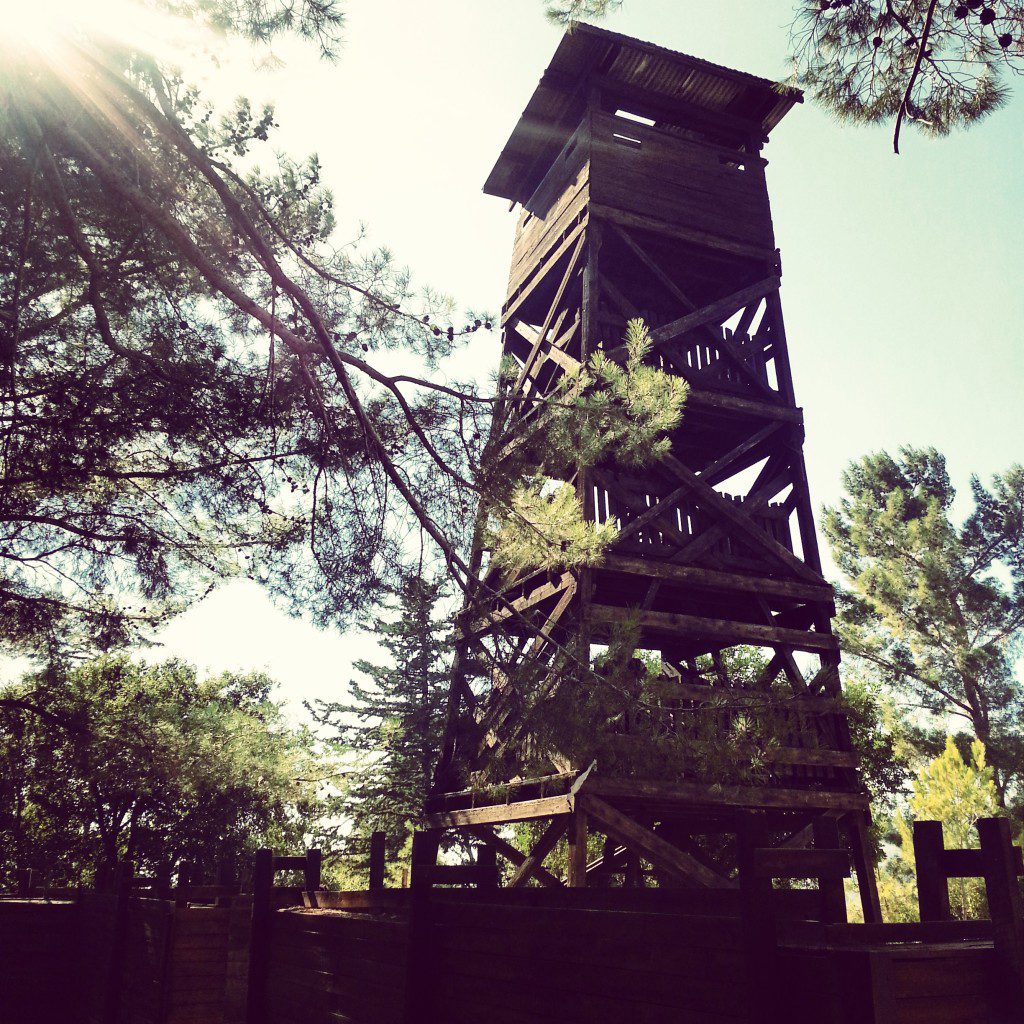
Hanita and the tower and stockade settlements
Having enjoyed the view, and lunch in the town of Shelomi, we visited the Hanita forest, home to a model of the tower and stockade settlement. Developed by the early Zionist pioneers, this was a way for them to build a relatively secure settlement in just one day, important at a time when there were increasing local tensions over the Zionists’ purchase of land in the area. Although Hanita was not the first tower and stockade settlement, it is one of the most famous, due to the efforts made in its construction and its location so far north, close to the border. Our guide regaled us with the story of the project and the history of the tower and stockade system of building.
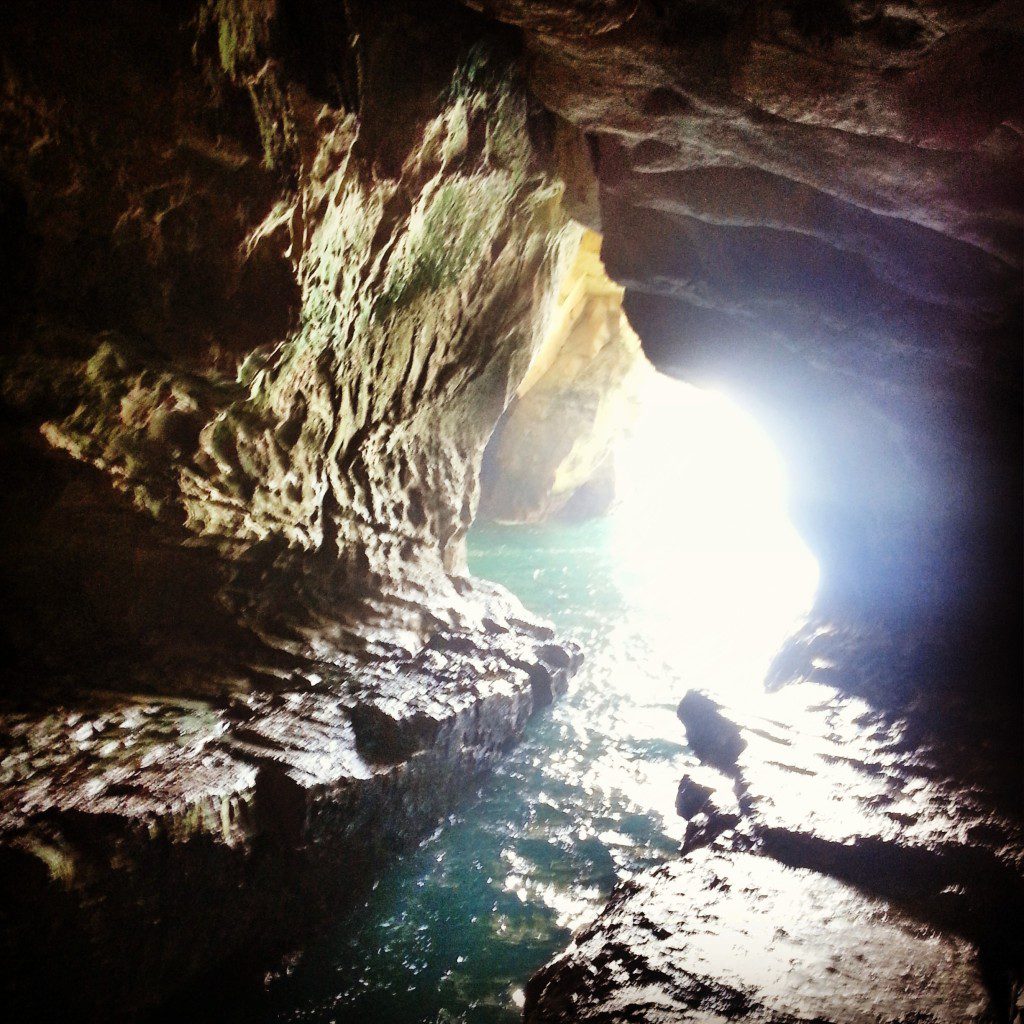
Rosh Hanikra
From the closeness of the forest, we headed all the way west and north to the exposed cliff face at Rosh Hanikra, where we were able to enjoy the benefits of the sea breeze. Here is a border crossing with Lebanon (used only by the UN), but of more interest for the intrepid traveller are the stunning views down the coast and the beautiful grottoes carved out in the cliff face through millennia of erosion by the force of the sea. We took a cable car down the cliff and wandered through the grottoes, taking in the magical and mystical ambience.
Closing on a sombre note
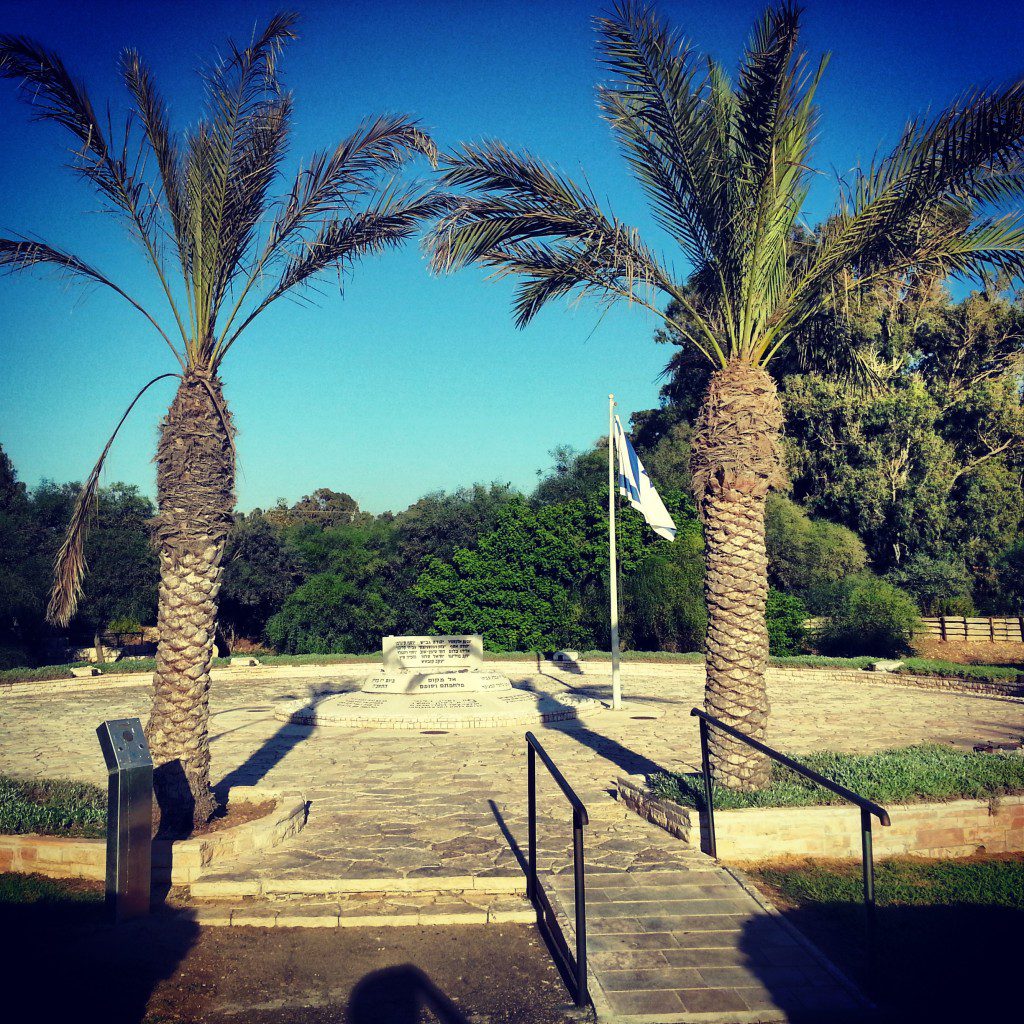
Yad L’Yad: Monument for the 14
We concluded our day on a more sombre note. First, we made a brief stop at the Monument for the 14 (Yad L’Yad), in memory of those who died on the fateful ‘Night of the Bridges’ in 1946. These was an ambitious, coordinated attack on British supply lines by the guerrilla fighters of the Palmach. While the operation achieved its objectives 14 operatives did not make it through the battle – their remains are here. Our guide told us some of their stories, as well as the details of the operation itself.
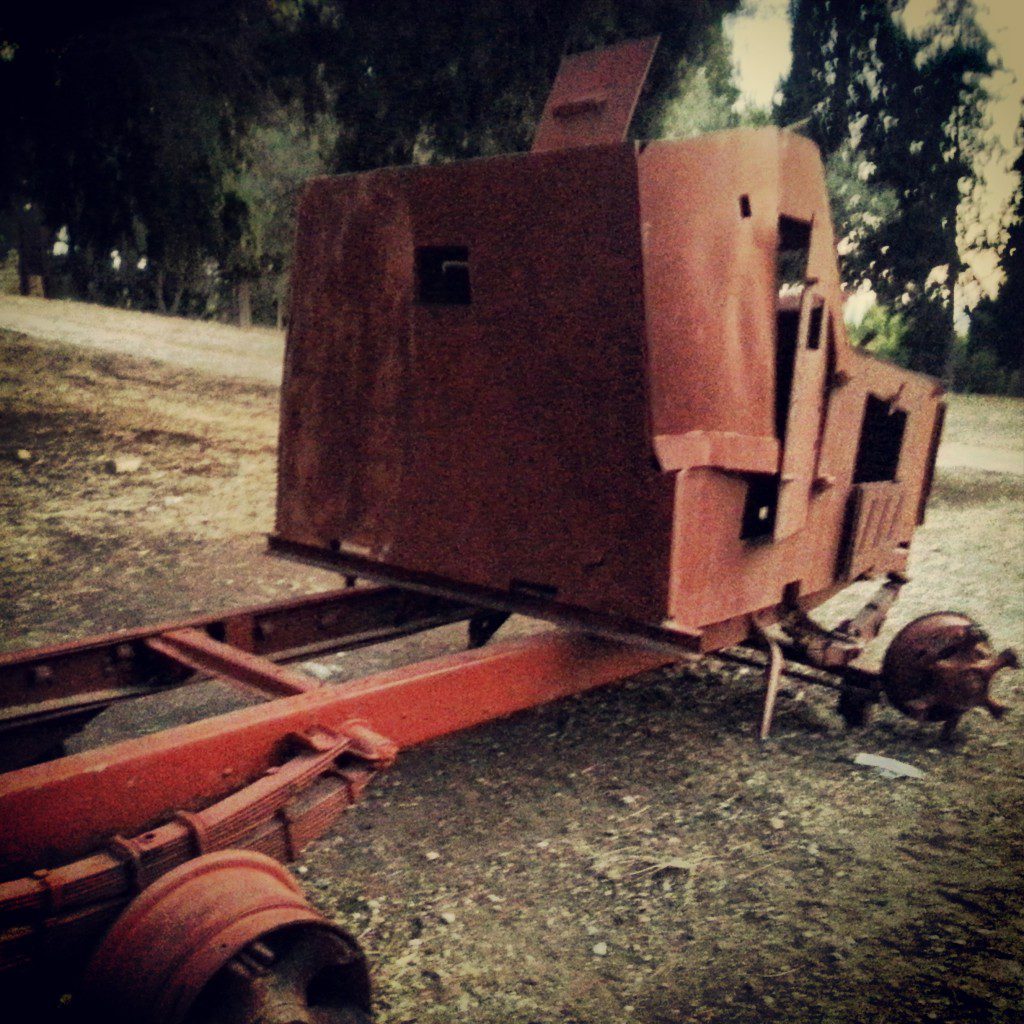
The Yechiam Convoy memorial
Our final stop was at another memorial, this one for the Yechiam Convoy. In 1948, even before Israel was officially declared a state, life was becoming increasingly difficult for the Jewish settlements, many of whom were under siege. The soon to be Israeli forces would try and reach them with armoured convoys; however their weapons and armoured vehicles were not very advanced. At this site, in March 1948, a convoy en route to the Yechiam kibbutz came under attack and 47 of its members were killed. As we move forward in our studies towards the more modern history we are likely to encounter more and more of these sad stories, many of them coming also with individual acts of heroism.
Evening in Pekiin
Dusk was upon us and so it was time to travel eastwards to our base for the next couple of days; the youth hostel in the Druze village of Pekiin. I had fond memories of shabbatot spent there with my friends in FZY. Before turning in, we had a special Druze dinner organised for us in the former diwan of the village mukhtar. Quite delicious! Certainly enough to set me up for the days ahead.


Leave a comment