Today began in a sombre atmosphere as we visited Yad Vashem, Israel’s official museum to the Shoah (the Holocaust). As the second most visited tourist site in Israel it is a very important place for us to know well. I have visited the new museum here several times but this was my first time going through with a guide, the amount of material can be quite overwhelming and I felt that being taken through the museum with explanations of the key exhibits really added to my experience.
Quick facts & guide tips
| Where | Mt Herzl, in western Jerusalem; Yad Vashem and Mt Herzl cemetery sit on adjacent slopes of the same hill. |
|---|---|
| Key sites | Holocaust History Museum, Avenue of the Righteous Among the Nations, Valley of the Communities, Children’s Memorial, Mt Herzl national cemetery, and the Herzl Museum. |
| Period | Memorial site established in the 1950s; the present Holocaust History Museum opened in 2005. The cemetery has been Israel’s national burial ground since 1949. |
| Access | Entry is free to Yad Vashem and Mt Herzl cemetery; the Herzl Museum runs guided tours that need booking in advance. Allow most of a day for both sites together. |
Yad Vashem and the Holocaust History Museum
The site was set up in the 1950s but the present museum structure dates only from 2005. It tells the story of the Nazi persecution of the Jews which culminated in the famous ‘Final Solution’ – the mass genocide that killed 6 million. It was as always a moving experience; each time I find myself flabbergasted by the fact that human beings were capable of doing such things to each other. It is really impressive that so many of the visitors to Israel come here – it is not exactly a fun way to spend your holiday. But it is important to try to understand what happened – on each visit I learn something new – so that we can try to prevent similar events in the future.
The memorials around Yad Vashem
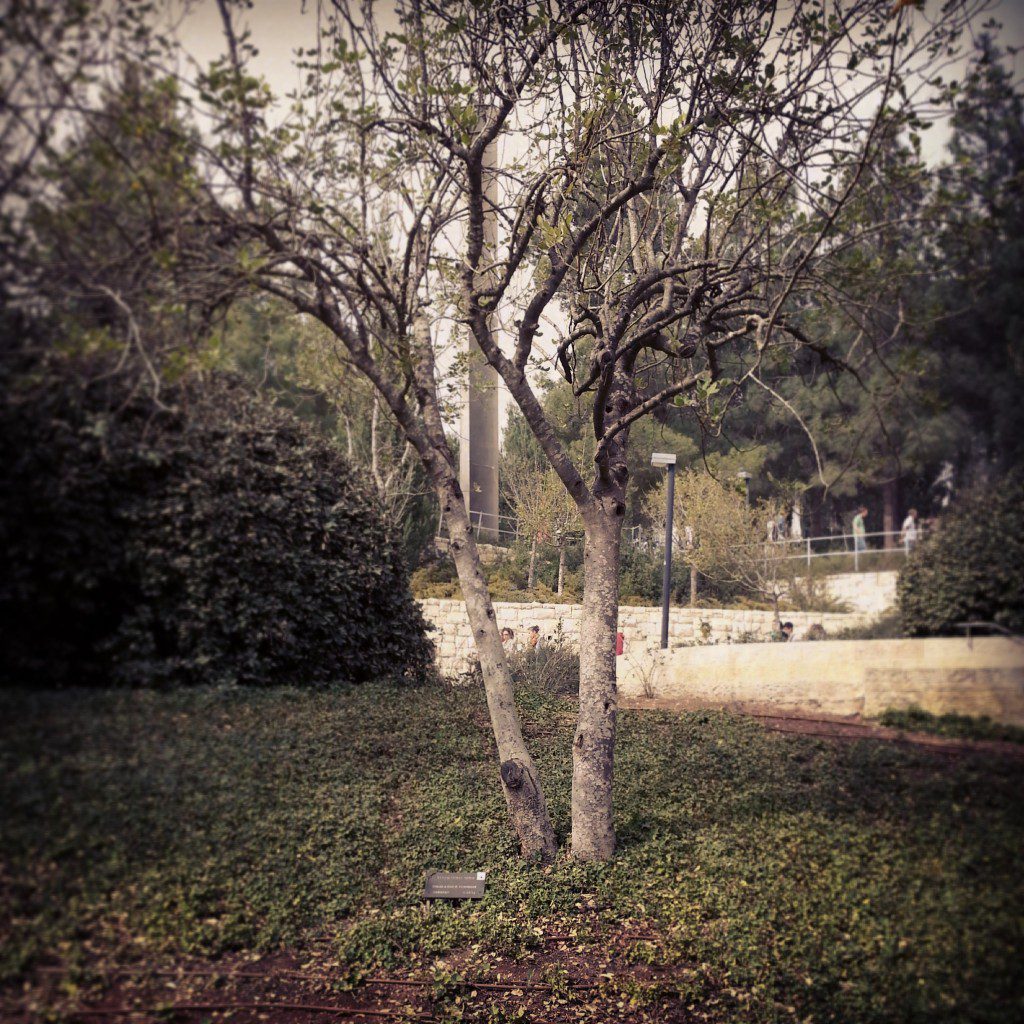
After the museum, we visited some of the many memorials and monuments that are around the site. We began at the Avenue of the Righteous Among the Nations, a collection of trees and monuments dedicated to those non-Jews who endangered themselves to try and save the lives of Jews during the Shoah. Among them are Raoul Wallenberg, the Swedish diplomat who saved thousands in Hungary, and Oscar Schindler, made famous by the Spielberg film.
Our guide explained how these individuals are researched and recognised – the committee in charge of doing so apparently recognises about 500 more people every year. Many have now passed away but their families are notified of the award.
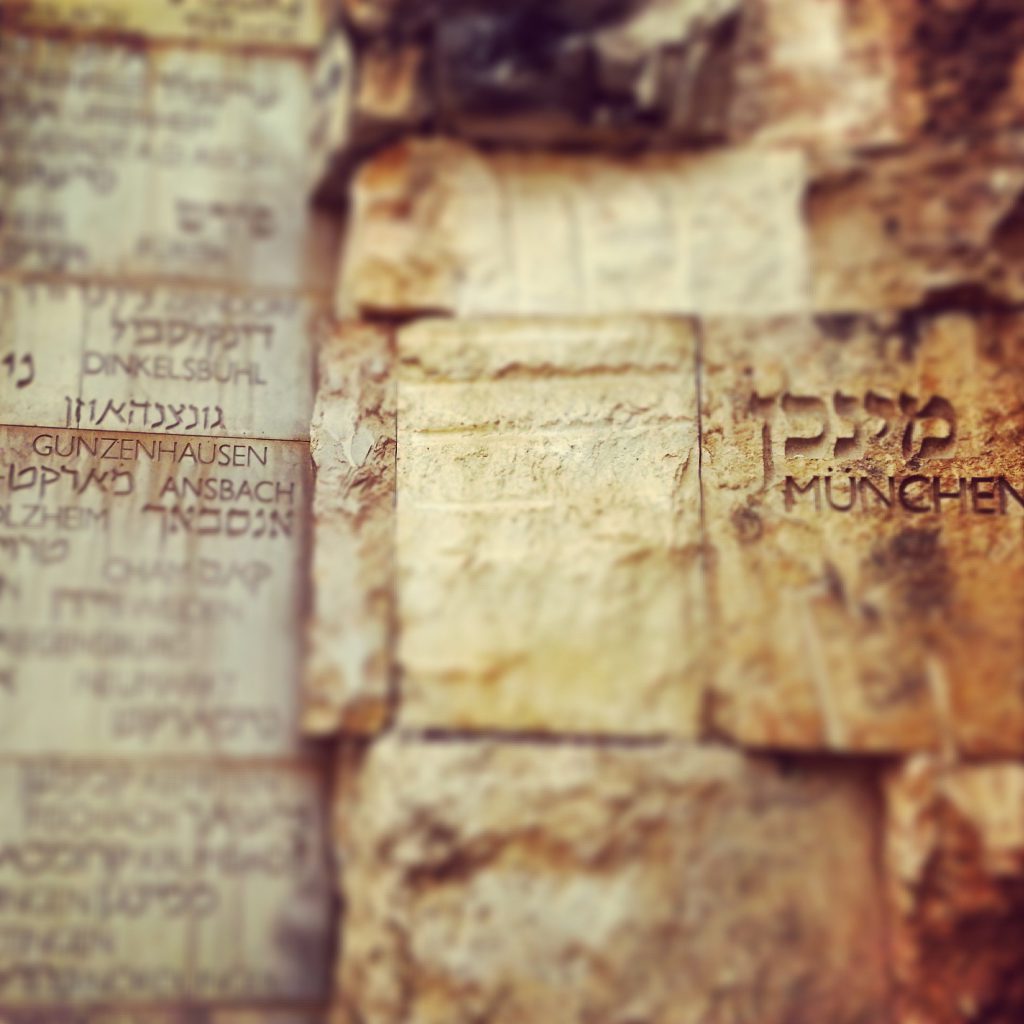
We visited next the Valley of the Communities, a large space which recalls all the Jewish communities which fell under Nazi control during the war, many of which were wiped out. Organised in a rough geographical order, we wandered around marvelling at the amount and variety of these places, our guide told us some of the stories of the communities from before or during the war. For the first time I was able to locate the village from which my family came in Bavaria, Gunzenhausen. Fortunately, my grandmother and her family were all able to escape Germany before war broke out.
We also made sure to visit the Children’s Memorial, dedicated to the 1.5 million children who were murdered by the Nazis. These huge numbers are simply beyond our comprehension and the memorial tries to help the visitor come to terms with the size of this destruction while at the same time reminding us of the names of the individual children whose lives were brutally cut short.
Mt Herzl cemetery
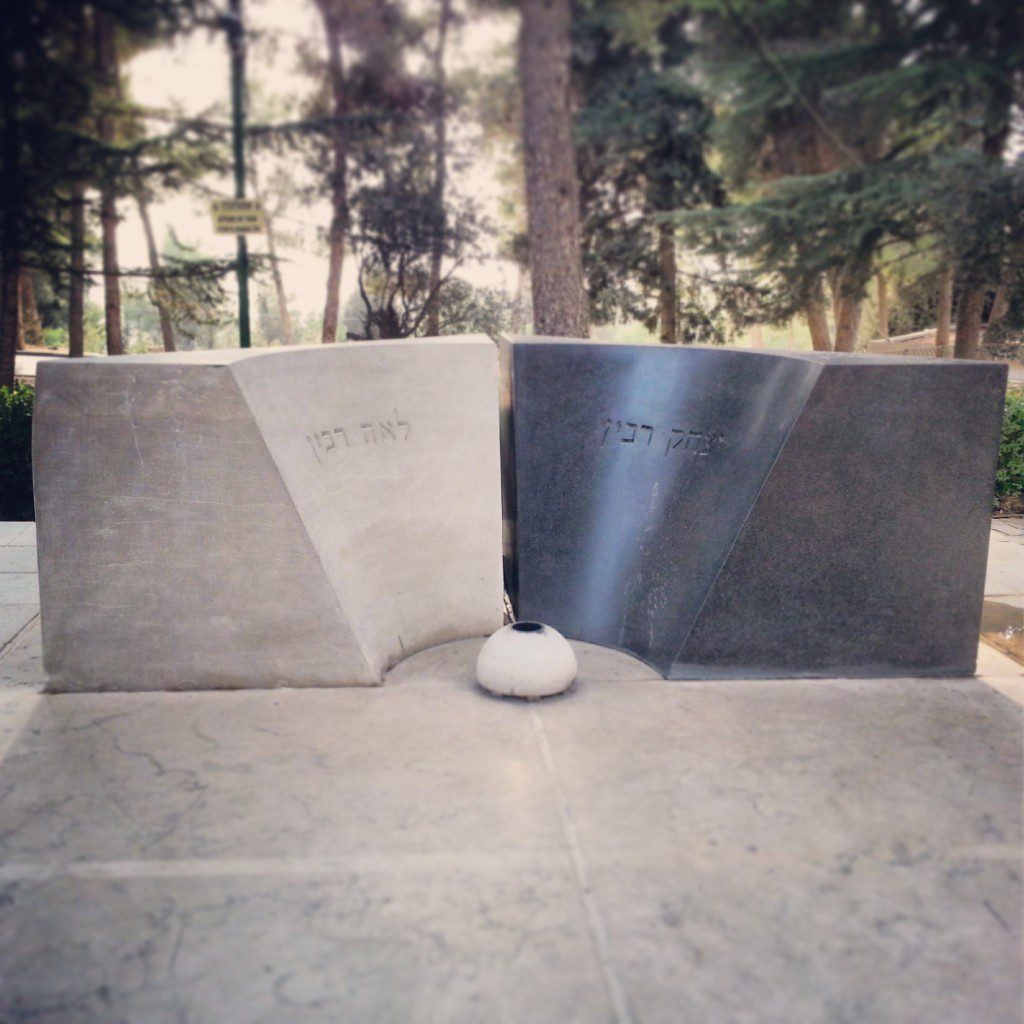
Finishing at Yad Vashem, we ascended up the hill to the Mt Herzl cemetery. Here we paid our respects to some of the greats of Israeli history – the thinkers and activists Herzl and Jabotinsky; the prime ministers and presidents, military heroes such as Hannah Senesh; the defenders of the Jewish Quarter of Jerusalem in 1948; Yoni Netanyahu. Of particular interest was the relatively new memorial to the many Ethiopian Jews who died during the long walk to Sudan to be flown to Israel. Built in the style of an Ethiopian village, it is nice that these relatively recent arrivals to the country also have an important portion of the symbolic national cemetery.
The Herzl Museum
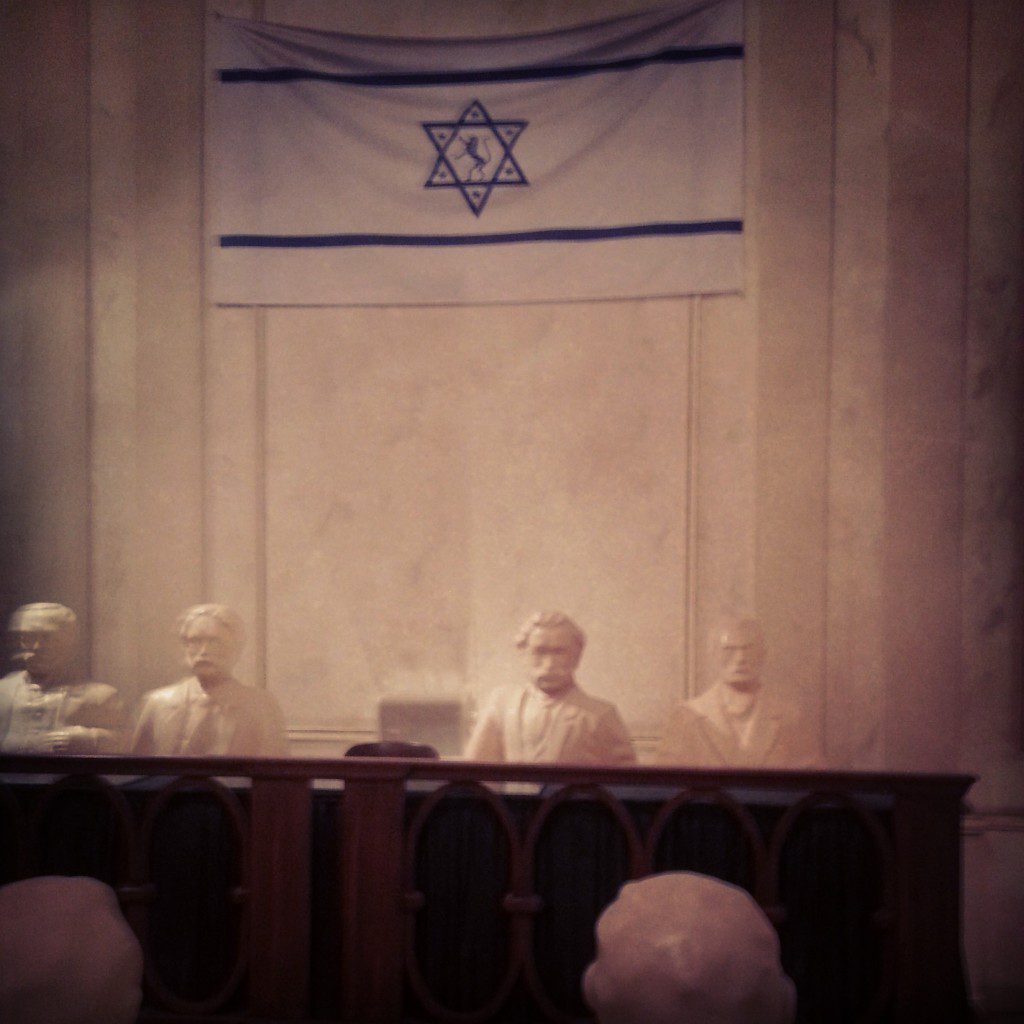
We concluded our day with a visit to the Herzl museum. It quite cleverly tells the story of the pioneer of political Zionism through films and sets, trying to transport the visitor into the atmosphere of his life. The final part of the museum challenges the visitor to continue to try and shape Israel in Herzl’s vision – a country at peace within with its different communities and social groups making up the population; at peace without with its neighbours. Still very much a work in progress, but in Herzl’s words: “if you will it, it is no dream”!

Leave a comment