Hellenist
The Hellenistic period in the Levant runs from Alexander the Great’s conquest in 332 BCE through the Hasmonean revolt and on to Pompey’s arrival in 63 BCE. Discussed here as part of a post on the Shfela in the Roman and Byzantine periods.
6 articles
6 articles
The Sea Peoples
Following the footsteps of the Sea Peoples along the southern coast: Tel Qasile in the Land of Israel Museum, Izbet Sartah, the Crusader fortress of Migdal Tzedek, Tel Afek / Antipatris, ancient Ashkelon and Jonah's Hill above the Ashdod port.


Jaffa
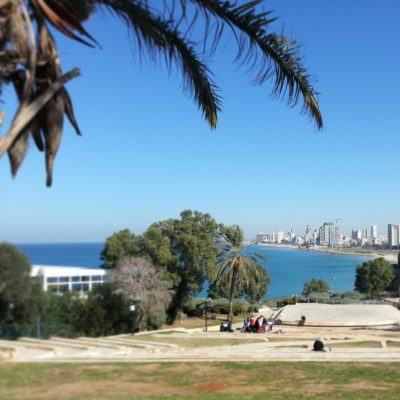
A guided walk through ancient Jaffa: the clock tower, Andromeda’s rock, St Peter’s Church, the Bronze Age excavations, Napoleon’s campaign route and the Protestant cemetery with its surprise occupant.


Jerusalem Institutions
A field trip around the institutions of Givat Ram in west Jerusalem: the Knesset menorah, the Knesset itself, the Supreme Court and a whistle-stop tour of the Israel Museum's archaeology wing.


Shivta and Nitzana


The Shfela (Judean Lowlands) in the Roman & Byzantine Periods
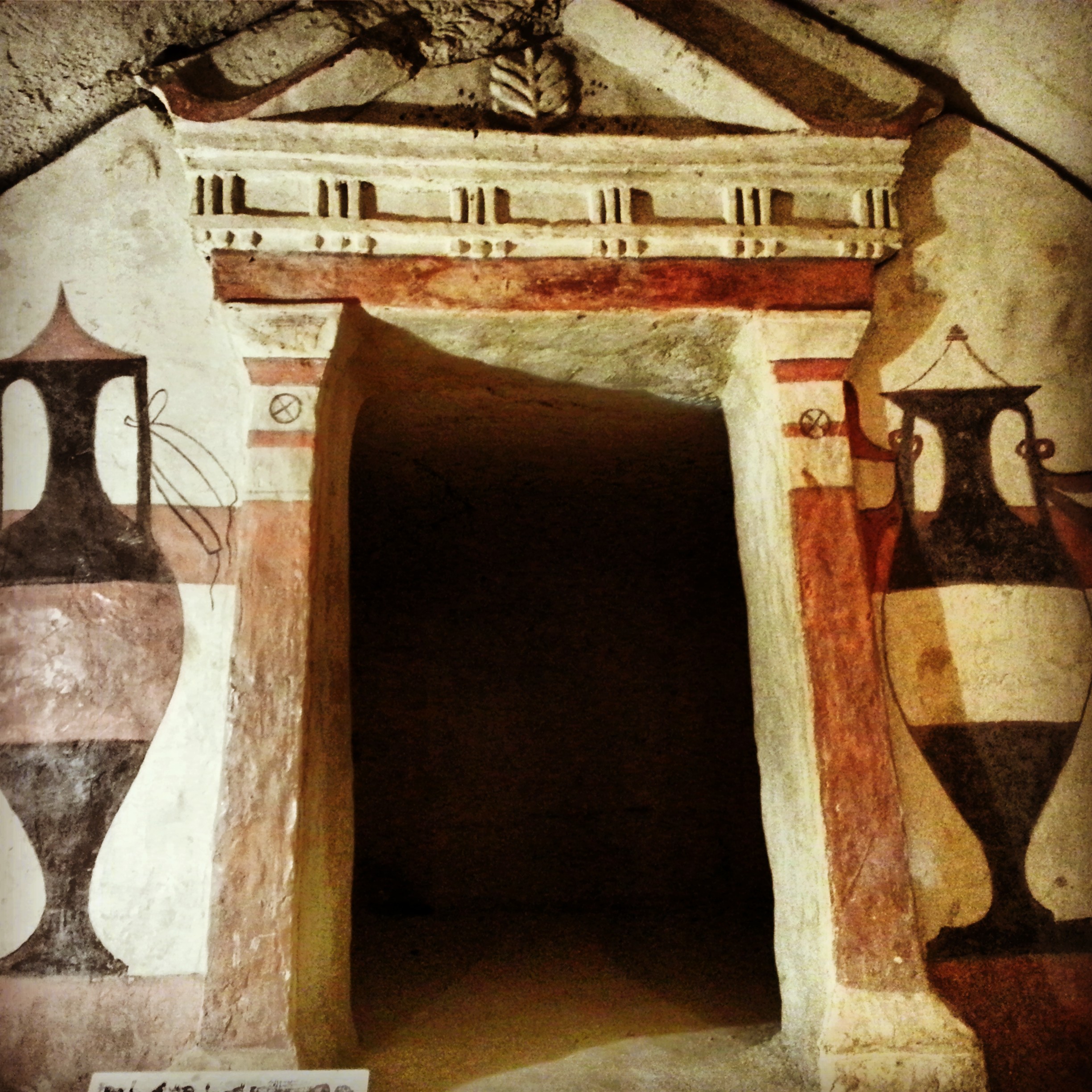
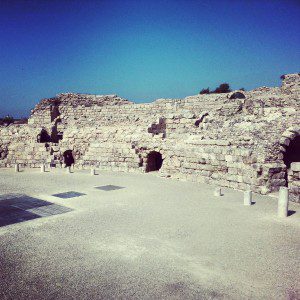
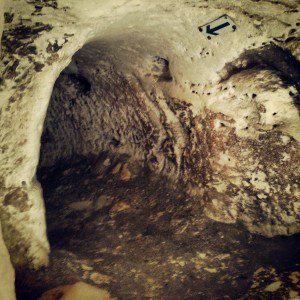
A day across the Judean Lowlands: Tel Maresha's underground caves, the Roman city of Beit Guvrin (Eleutheropolis), and crawling through the Bar Kochba Revolt tunnels at Horvat Midras.

Benjamin and Samaria
A field trip into the West Bank: the archaeological site at Shiloh (briefly home to the tabernacle), a fog-bound viewpoint from Mt Kabir, and Mt Gerizim — holy site of the Samaritans.


If you are going to Israel, you would be mad not to give him a call.
Amol Rajan, BBC presenter and broadcaster
Having been on trips in Israel with seven different tour guides, Samuel stood above all the rest.
Seasoned Israel traveller
Samuel is one part walking encyclopedia, one part storyteller, one part stand-up comedian.
Berkeley Haas Business School student