Cardo
The cardo was the main north-south street of a Roman city, typically colonnaded and lined with shops. The best-known Israeli example is the reconstructed Byzantine-era cardo running through the Jewish Quarter of the Old City of Jerusalem, discussed in a post on Roman and Byzantine Jerusalem.
5 articles
5 articles
Beit Shearim and Zippori
A day in the lower Galilee at Beit Shearim and Zippori: the story of Alexander Zaid, the vast necropolis and tomb of Rabbi Yehuda HaNasi, and Zippori's Roman synagogue, fortress, mosaics and reservoir.


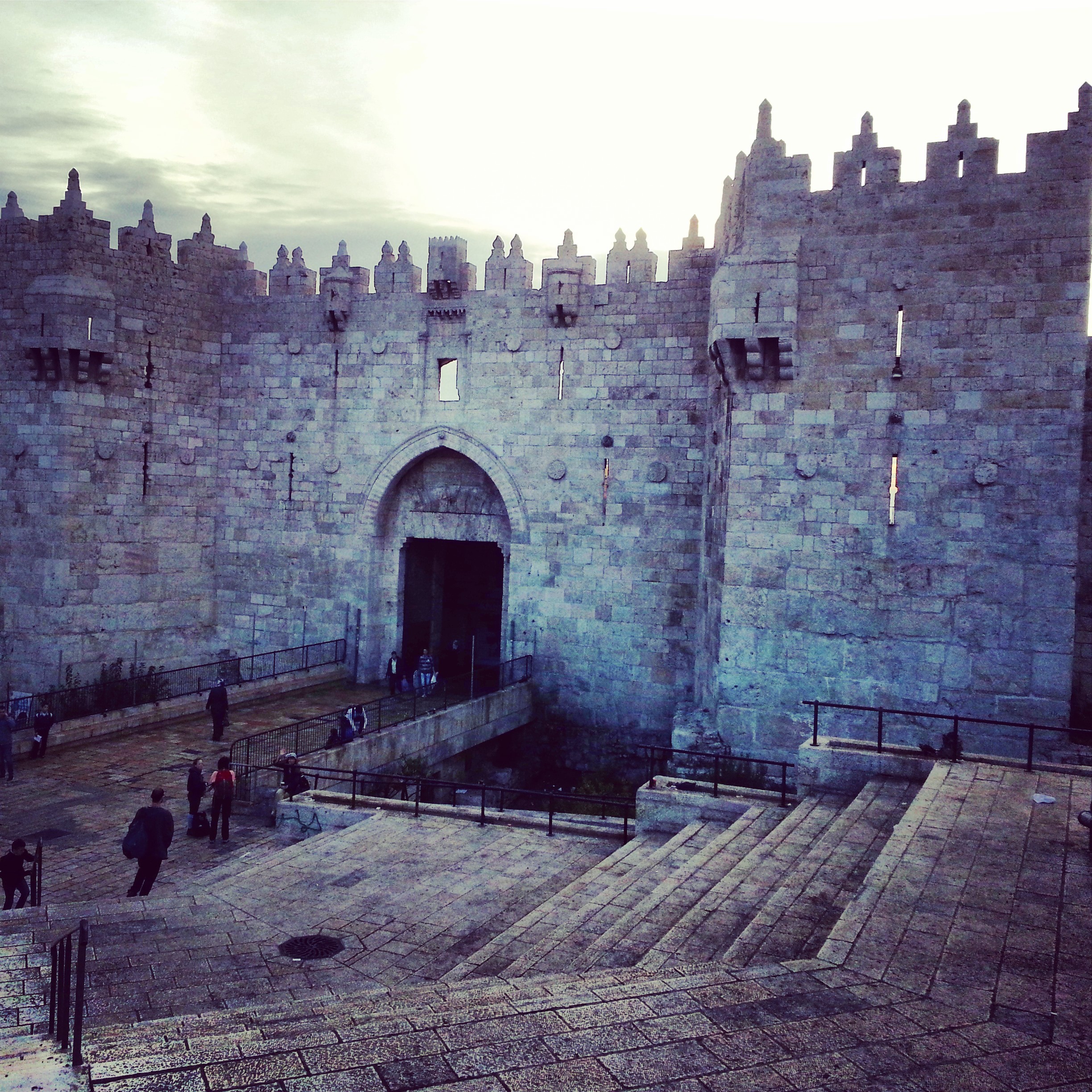
Roman and Byzantine Jerusalem
A field-trip day tracing the Roman and Byzantine layers of Jerusalem: Zedekiah's Cave by the Damascus Gate, the arches at Alexander Nevsky, the Byzantine corners of the Holy Sepulchre, the cardo, and the ruins of the Nea Church.


Belvoir Fortress and Beit Shean
A north-bound field trip south of the Sea of Galilee, taking in the Crusader fortress of Belvoir above the Jordan Valley and the vast Roman and Byzantine ruins of Scythopolis at Beit Shean.


The Via Dolorosa
Walking the Via Dolorosa, station by station from the Antonia fortress to the aedicule in the Church of the Holy Sepulchre. With a morning stop at the Garden Tomb, the Church of St Anne and the Pool of Bethesda.


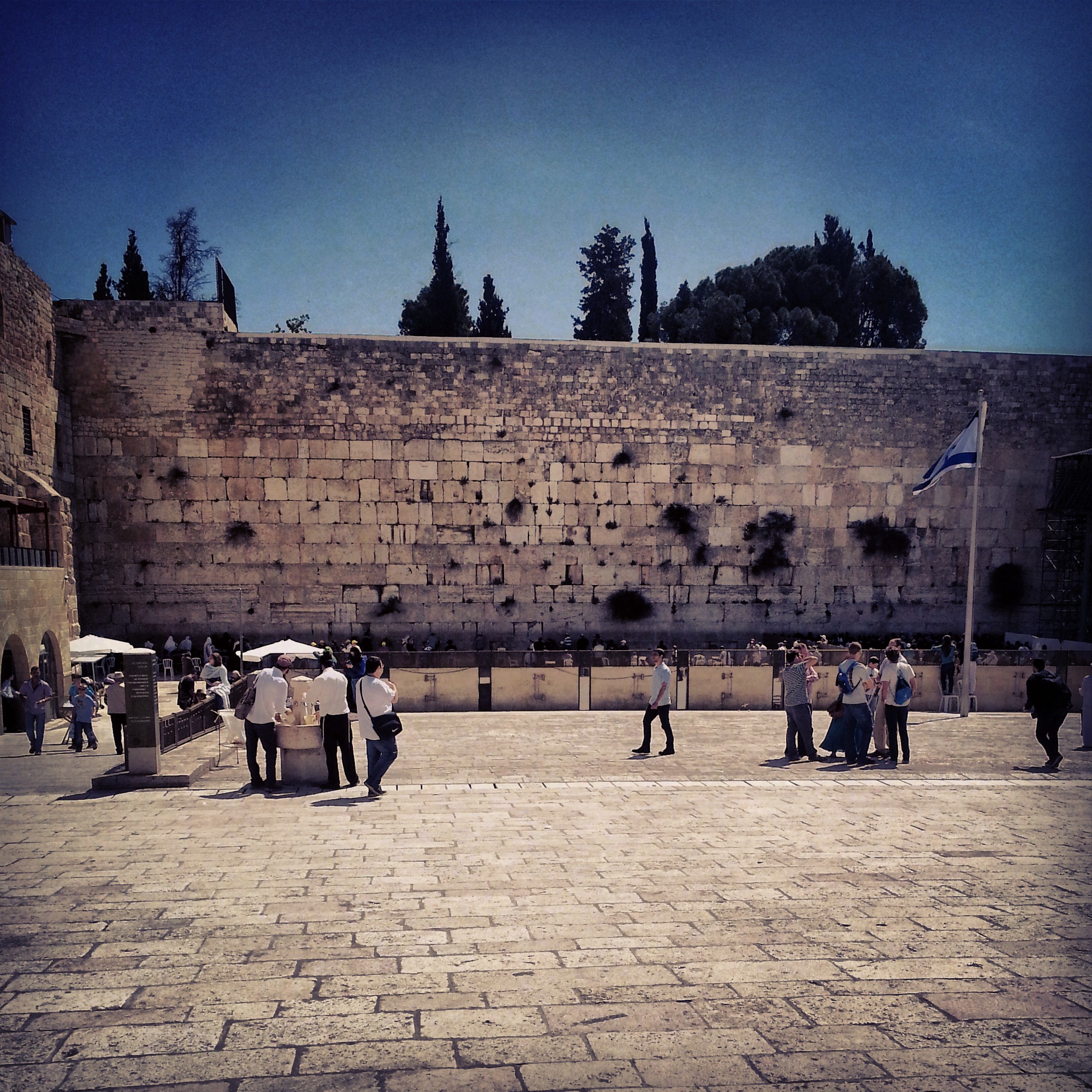
Jerusalem: First Temple and Second Temple Periods
A field-trip filling in the gaps between the two Jerusalem temple-period days: the Roman 10th Legion's camp under Binyanei Hauma, the Western Wall Tunnels, an advance preview of the Eastern Cardo, the Kidron mausolea and the burial tombs at Ketef Hinnom.


If you are going to Israel, you would be mad not to give him a call.
Amol Rajan, BBC presenter and broadcaster
Having been on trips in Israel with seven different tour guides, Samuel stood above all the rest.
Seasoned Israel traveller
Samuel is one part walking encyclopedia, one part storyteller, one part stand-up comedian.
Berkeley Haas Business School student