As we move more and more into the modern period today’s trip was focused around a group of more modern settlements and towns that lie along the south part of the central coastal plain. In English, between Tel Aviv and Ashdod. The idea was to tell some of the stories that led to the formation of the state through looking at some of the people and groups who helped lay the groundwork for it to happen.
Quick facts & guide tips
| Where | The southern central coastal plain, between Tel Aviv and Ashdod. |
|---|---|
| Key sites | Mikve Yisrael, Rishon Letzion, Ness Tziona, the Weizmann House in Rechovot and the Ayalon Institute. |
| Period | Late 19th century through 1948 — early agricultural settlement, the First Aliyah, Baron de Rothschild’s patronage, and pre-state clandestine arms manufacture. |
| Best for | Visitors interested in the human stories behind the founding of the State — espionage, agriculture, language revival, and the Weizmann legacy — rather than ancient archaeology. |
Mikve Yisrael
Our first stop was just outside Holon, at Mikve Yisrael. Founded in the mid-19th century by a Frenchman called Carl Netter, this was the beginning of Israel’s modern-day agricultural revolution, at least for the Jews. He decided that there was a need for the Jews to learn how to work the land, and opened an agricultural school to teach them how to do so. The local Jews at the time were unconvinced (for the first couple of years he only had one pupil) but over the years the school gradually grew, particularly with the large waves of immigrants from Europe who were specifically keen to work the land.
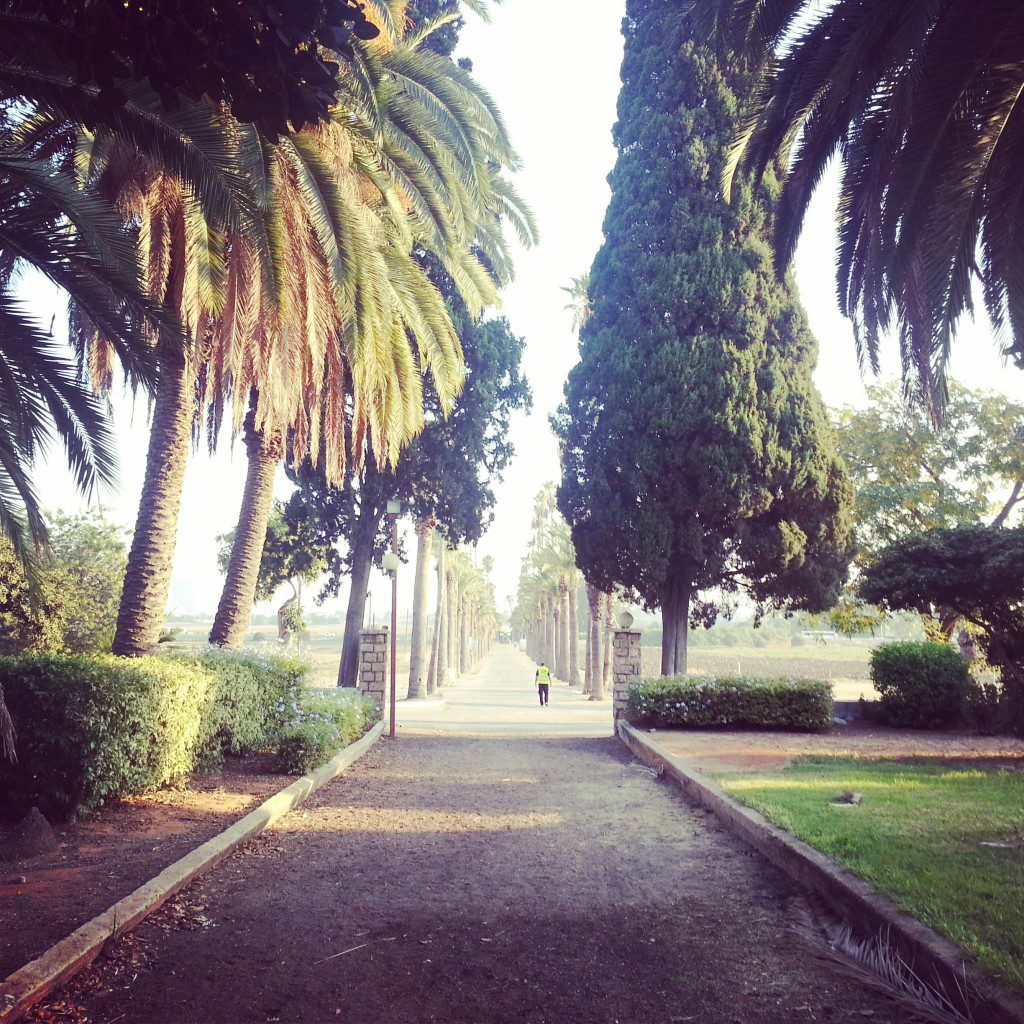
In addition to playing this important role in early state building, the school was the site of a famous meeting between Theodore Herzl and Kaiser Wilhelm II of Germany in 1898. Herzl came here specifically to meet the Kaiser while he was visiting the region to try and persuade him to support the Zionist cause by petitioning the Ottoman Sultan. He was somewhat unsuccessful.
We visited various old buildings around the site including the synagogue, the old winery and the machine room. The school is still functioning so we also got to encounter some of the contemporary students. And there was quite a good film about the history of the site.
Rishon Letzion
We journeyed south to Rishon Letzion (First to Zion), established in 1882 and now the fourth biggest city in Israel. The 17 families who arrived here from Russia did not know much about building a settlement and suffered a lot in a struggle for finding a local water source. In the end, thanks to support from Baron de Rothschild in Paris (his first support to the Zionist immigrants) they were able to dig a deep well to the groundwater. They were so excited to have found water that the slogan ‘we found water!’ is now a part of the city symbol.
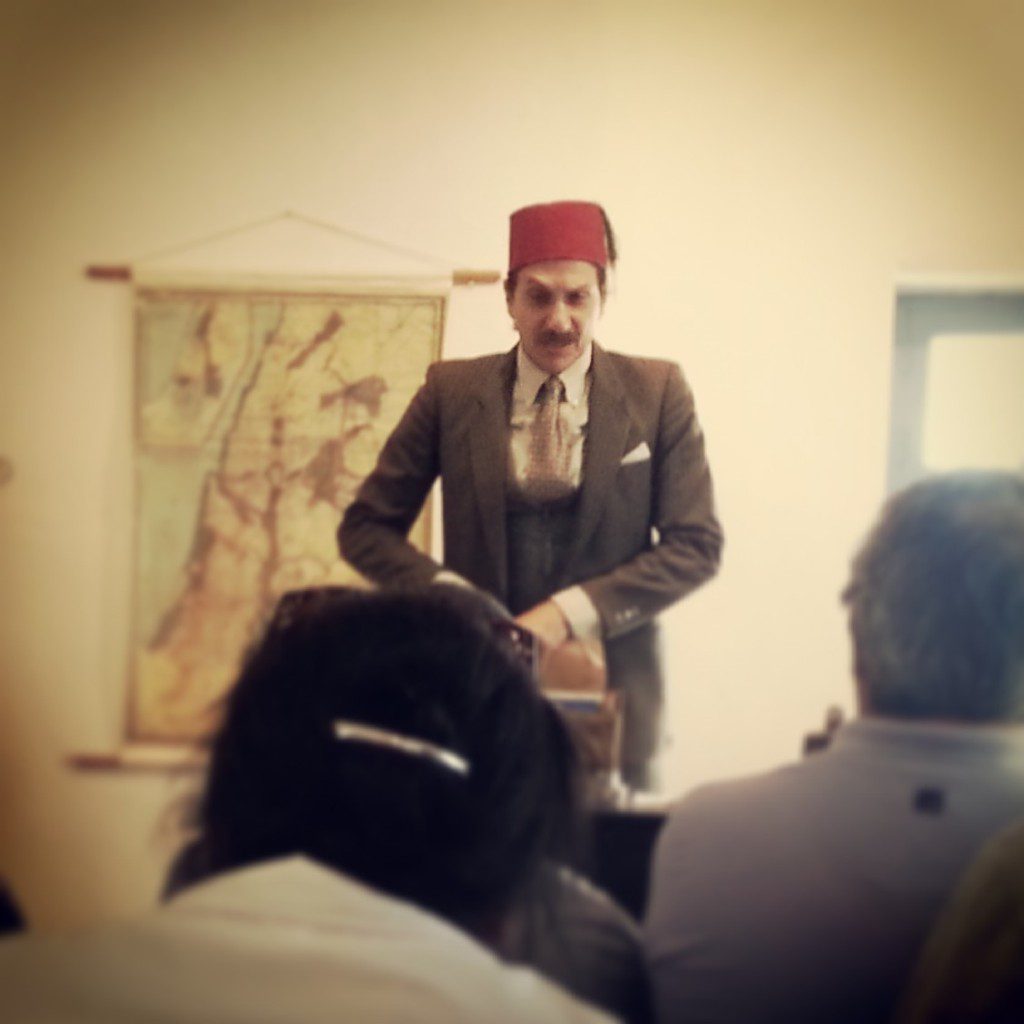
Rishon (as it is often called) has a small museum about the city history and we visited the old synagogue, the site of the well (it is very deep!) and a few old homes. The city claims to have invented the Israeli flag and also home to the creation of the national anthem (or at least setting it to music). It is the site of the first school to be taught entirely in Hebrew, and we had the pleasure of receiving a lesson from ‘David Yudelovitch’, the school’s founder!
Ness Tziona
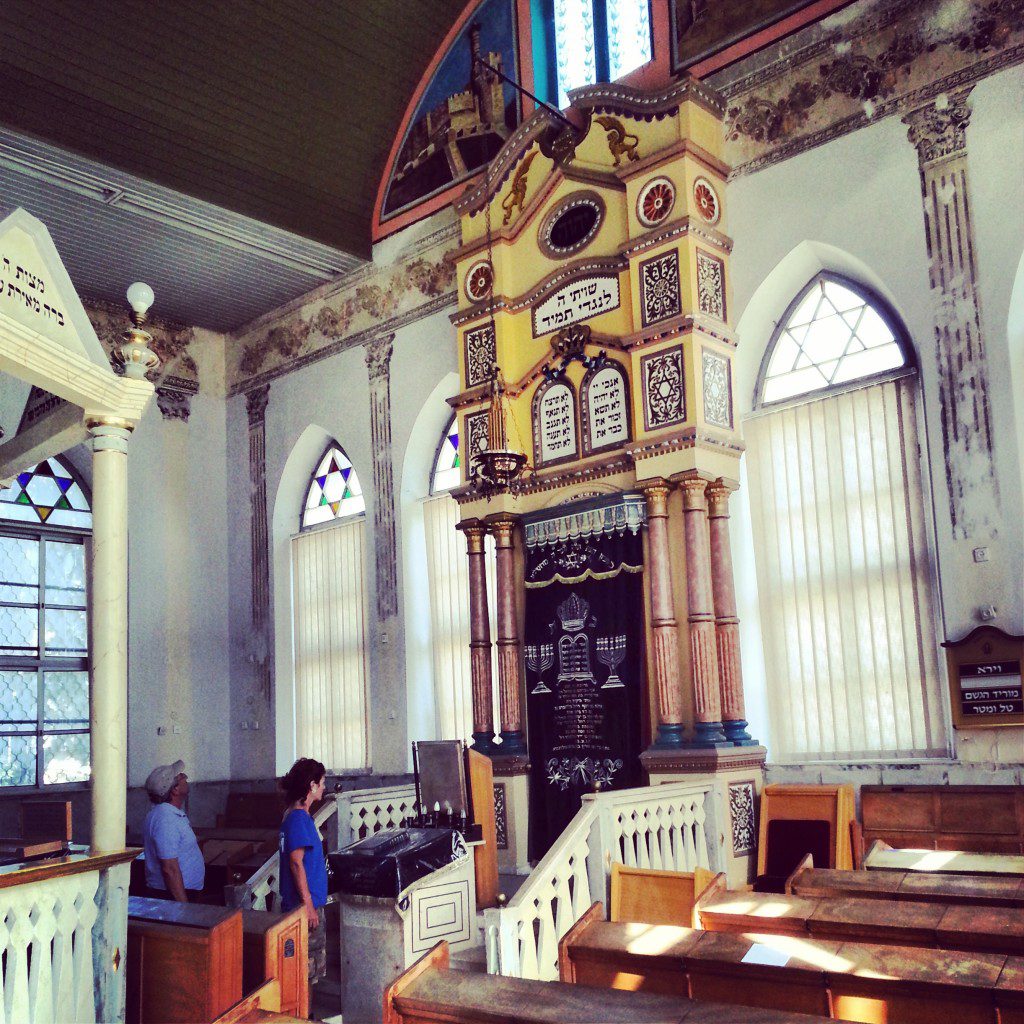
We journeyed south to Ness Tziona, where we visited the home of the town’s founder, Reuben Lehrer. He was a wealthy Russian Jew who in 1883 traded his lands in Russia for this small and rather unappetising wasteland in the Land of Israel. After persuading 10 other families to join him (so that he had quorum for his prayers) he began to make the best of it and here were the first Jewish beekeepers in the modern period. Ness Tziona also claim to have invented the Israeli flag, so a bit of controversy there with their northern neighbours in Rishon. In addition to the original home, we were able to visit the old synagogue.
Rechovot
The home of Chaim Weizmann
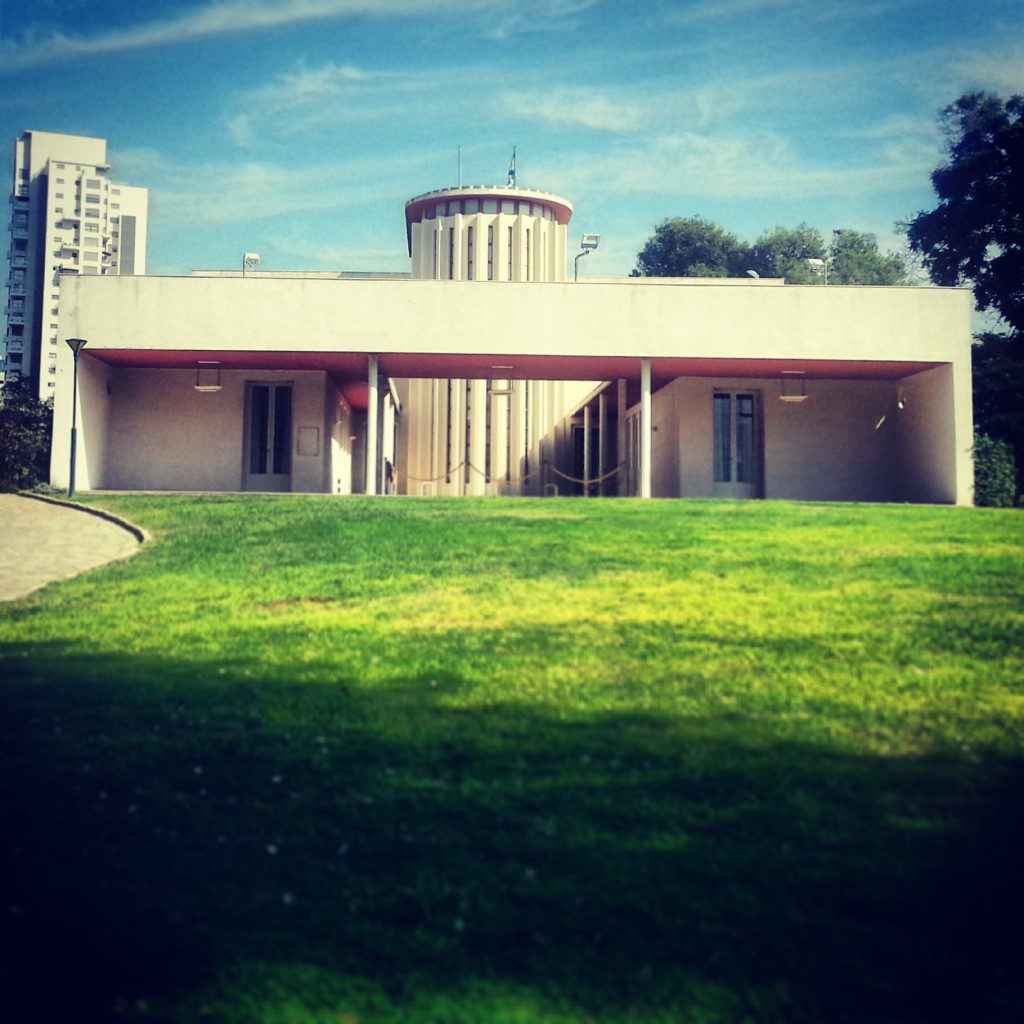
Southwards we continued to Rechovot, visiting the grand home of Chaim Weizmann, the first president of the State of Israel. Weizmann’s story is very impressive; he was a scientific mastermind who became wealthy through his patents, particularly for creating acetone through a biological method and the manufacture of synthetic rubber. He was also a tireless campaigner for the Zionist cause helping secure the 1917 Balfour Declaration, lobbying the British against their immigration restrictions and working hard to help get the UN to pass the partition plan in 1947. As we wandered through his home we heard stories about his life, and finished the visit by paying our respects at his grave.
The Ayalon Institute
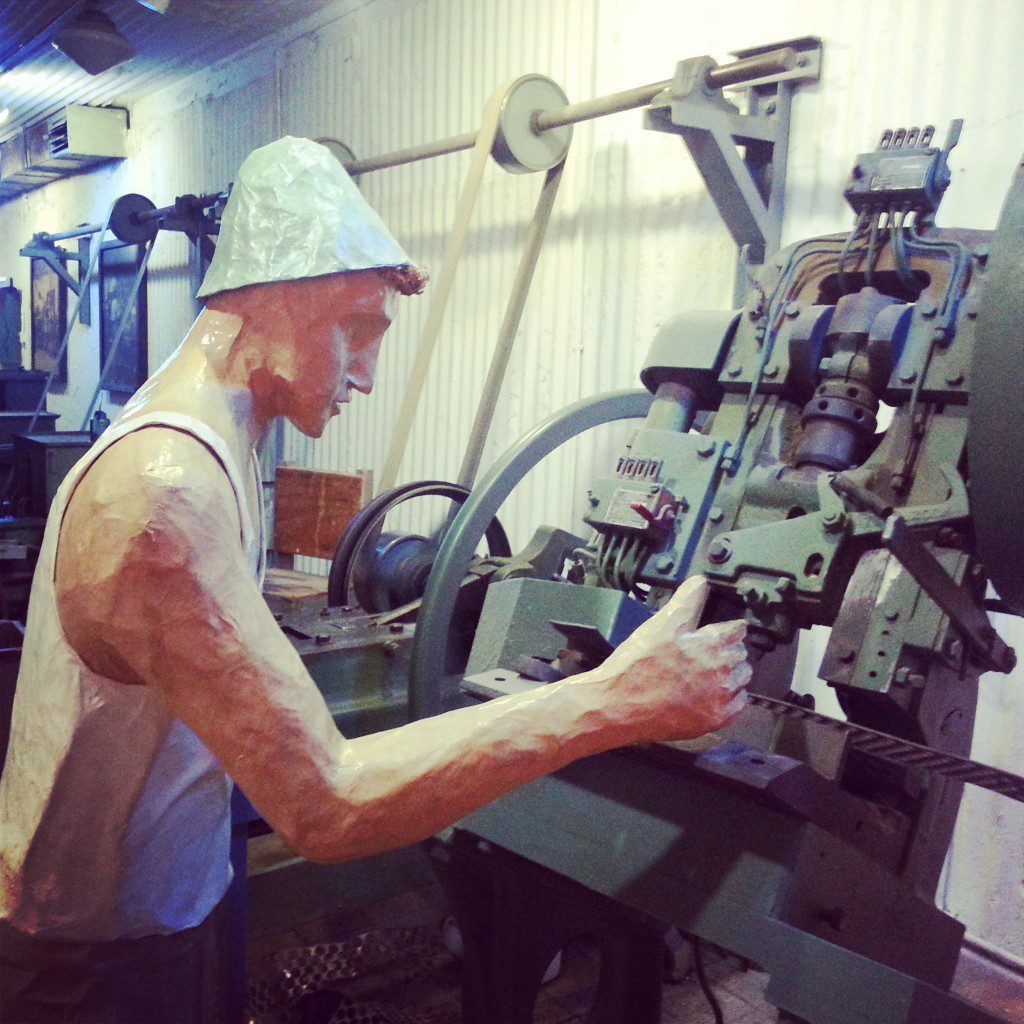
Our final stop of the day was at the Ayalon Institute, located in Rehovot. I was very pleasantly surprised by the site, probably because I really like any stories to do with espionage or clandestine operations. Here, right next to a large British army base, the Hagana (the defence force for the Jews in Israel pre-state) built a large underground ammunition manufacturing facility, underneath a functioning kibbutz where most of the inhabitants were completely unaware of what was going on beneath them. In large thanks to this facility, the nascent IDF were able to have the ammunition required to fight in the War of Independence in 1948.
It was a great story of subterfuge and bravery and very interesting to descend into the underground facility. Well worth the visit!

Leave a comment