
For today’s tour, we took a break in our current historical narrative (1948 and all that) to travel back 2000 years in history with a visit to the desert fortress and palace of Masada. One of Israel’s most famous destinations, and a UNESCO World Heritage Site, this is certain to be a place we shall visit regularly in our future careers as tour guides.
Quick facts & guide tips
| Where | Masada National Park, on the western edge of the Dead Sea in the Judean Desert |
|---|---|
| Key sites | The cistern network on the western side, the Roman ramp, the Byzantine church mosaic, the Western Palace, the southern wall, the Northern Palace, one of the world’s oldest synagogues, and the Masada museum |
| Period | Herodian fortress (1st century BCE); Jewish revolt against Rome (1st century CE); a 5th century Byzantine church on the mountain top; a UNESCO World Heritage Site |
| Access | A national park with set opening hours; reach the top by cable car from the east, by the Snake Path (east) or by the Roman ramp (west); the museum is at the foot of the mountain |
As part of the course, we sometimes have to practice guiding ourselves, and the majority of the site was divided up between members of the class. At this relatively advanced stage in the course, everyone did a good job of relating their specified information or story, and it made for a varied and interesting day.
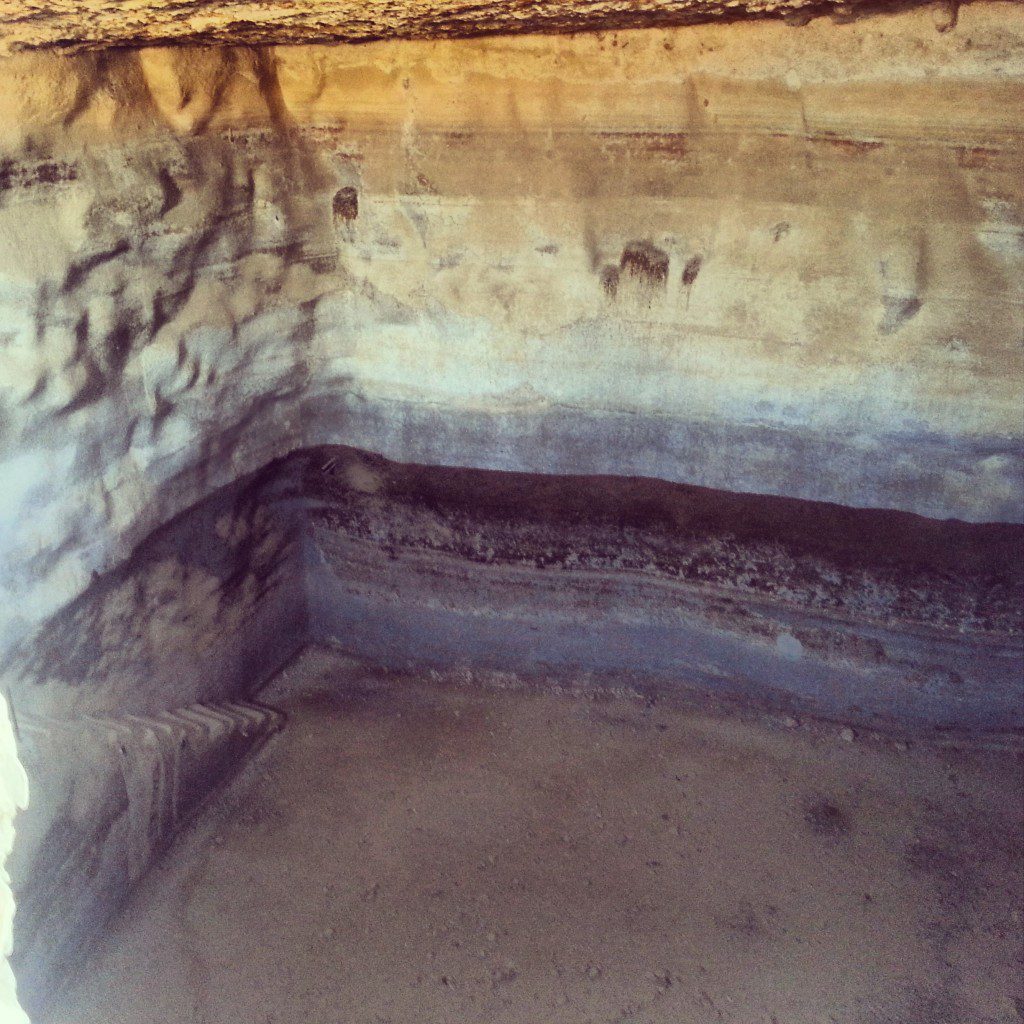
I worked out that this was my seventh visit to Masada, but coming with the course really opened my eyes to parts of the site that I had never noticed before! We began on the western side of the mountain, and before ascending the Roman ramp, headed left to explore the network of cisterns. There are no natural water sources at Masada, but when Herod developed it into a major fortress, he constructed a huge network of channels and cisterns to capture the waters of the annual desert flash floods. This made the fortification even more secure – those above had up to two years’ water supply in storage; the nearest water supply for any besiegers (who anyway would have to deal with the strong desert sun and heat) was around 20km away.
After climbing the ramp, we heard the story of the last stand of the Jews who had begun the revolt against Roman rule some seven years previous. Numbering only around 500, they had to face the might of the Roman army’s troops (estimates around 10 000) with significantly superior training, armour and weaponry. A dramatic tale indeed!
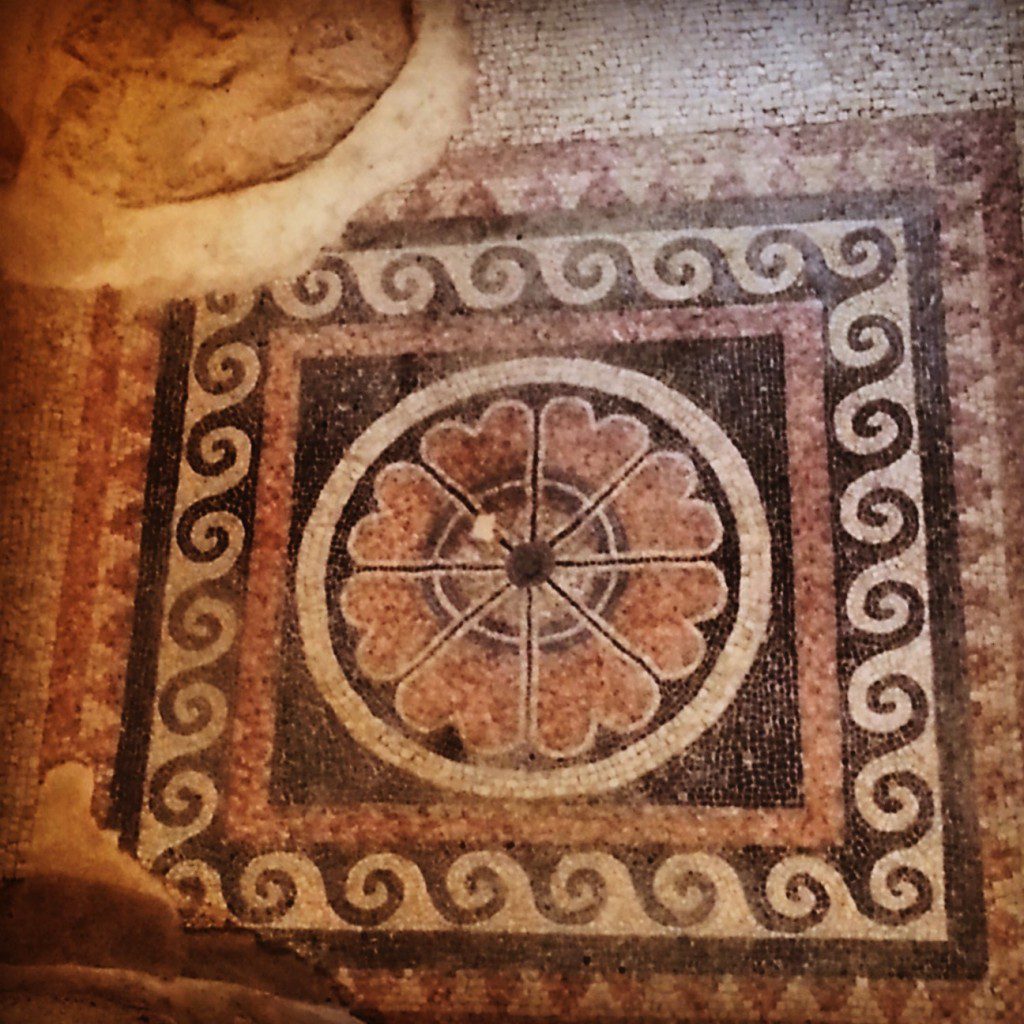
We toured the mountain top, starting with the 5th century Byzantine church (which I must confess I never previously noticed!), containing a beautiful mosaic, moving south through the grand western palace (containing some of the oldest mosaics in Israel) and to the southern wall fortifications.
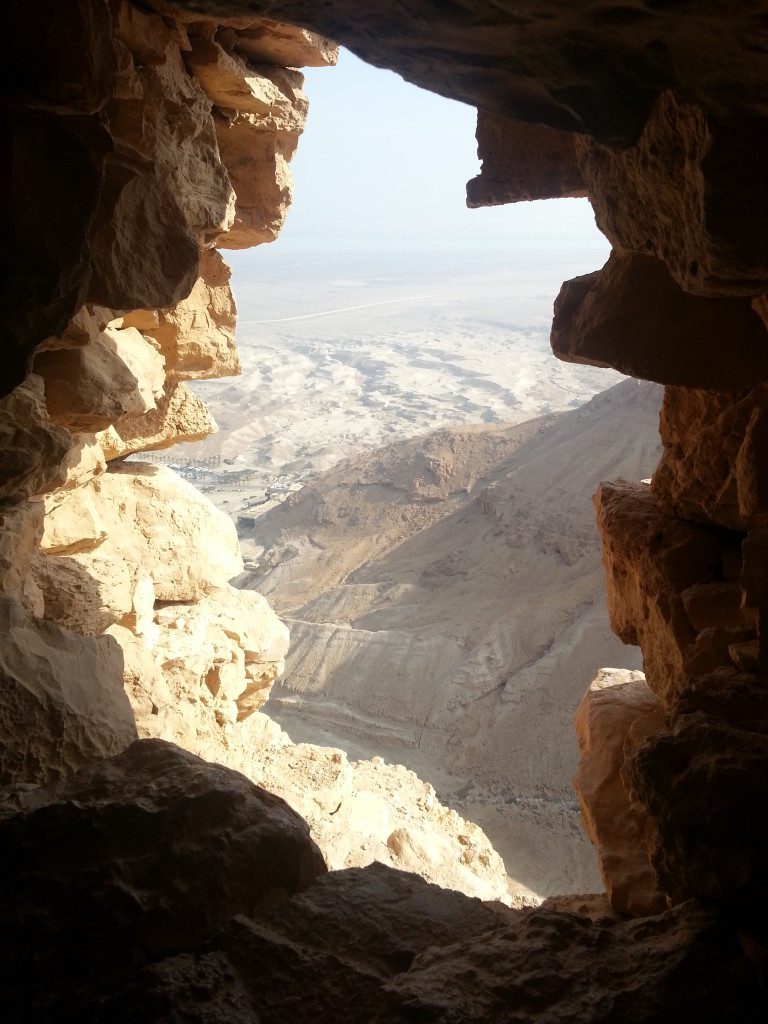
Along the way, we learned about life on Masada, both in the time of Herod and then later during the time of the revolt. Many remains were found on the site testifying particularly to the final days of the families who lived up there; their narrative is important for Israelis as they were the last independent Jews until Israel was established in 1948.
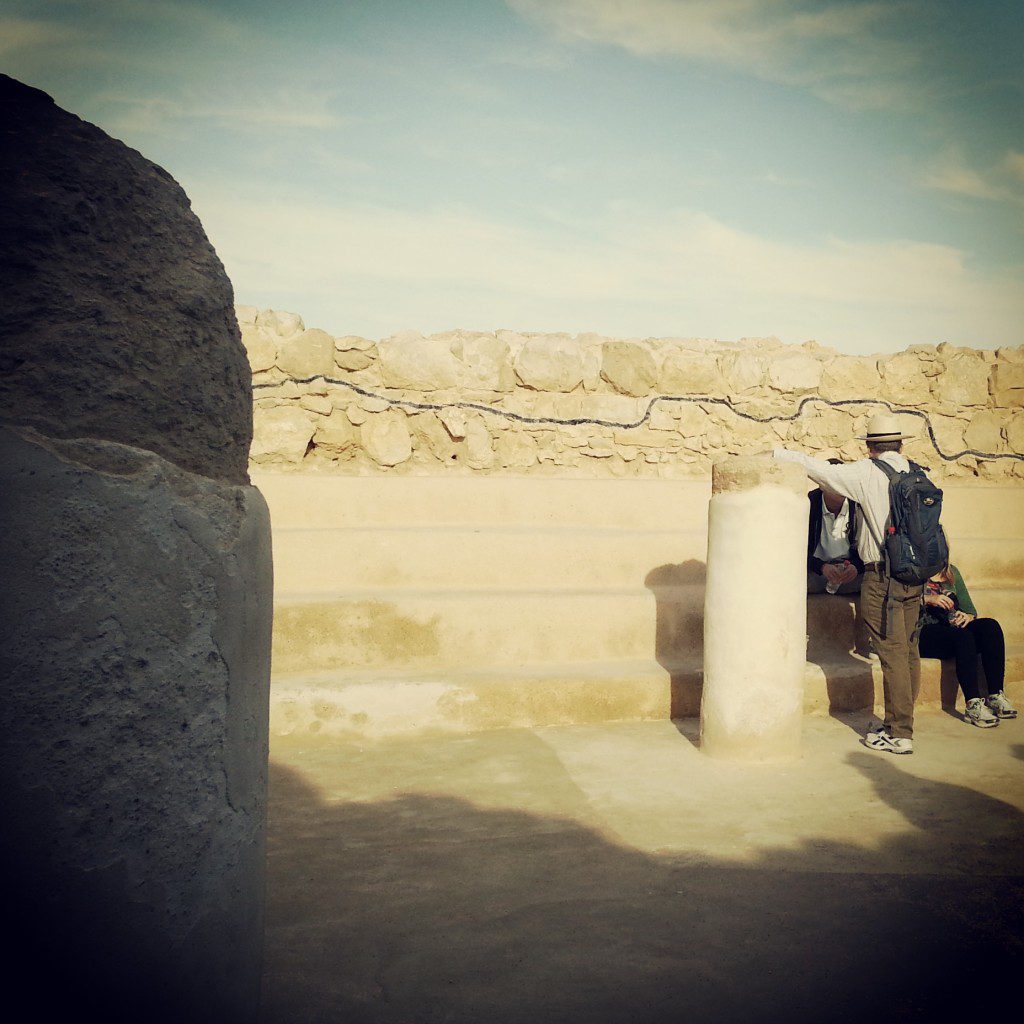
After taking in the outstanding view from the Northern Palace, and hearing about its history (and the amazing archaeological finds there), we visited one of the world’s oldest synagogues and learned the final fate of the Jewish rebels. For those who have yet to visit the site, I shall not give the game away!

We concluded the visit with a stop in the Masada museum, which boasts fantastic displays of many of the artefacts found in the excavations, including everyday items of the Jewish rebels and the Roman soldiers. The dry desert air helped their preservation and it really is a remarkable collection.
If anything, this tour proved that even if you have been somewhere six times previously, there is always something new to see and learn. So, even if you have visited Masada many times before, perhaps the time has come for a repeat visit.


Leave a comment