
Last week’s tour was dedicated to the battle for the road to Jerusalem in 1948. We finished the day learning how the siege of Jerusalem was finally broken, a significant victory for the nascent Israeli state. However, the south of the country had been cut off completely by the Egyptian army. With Jerusalem now accessible and resources freed up, the attention began to turn southwards. Likewise, we would now journey south for a tour on the theme of the south of Israel in 1948.
Quick facts & guide tips
| Where | The southern coastal plain and the northern Negev: Ad Halom Bridge (next to Ashdod), Kibbutz Nitzanim, Kibbutz Yad Mordechai and Kibbutz Negba |
|---|---|
| Key sites | Ad Halom Bridge (formerly Jisr Isdud), the original site of Kibbutz Nitzanim and the Women of Valour Centre, Kibbutz Yad Mordechai’s 1948 battle museum, and Kibbutz Negba’s military cemetery |
| Period | 1948 War of Independence (Modern Period) |
| Access | All four sites are open to the public; the museum sites at Nitzanim, Yad Mordechai and Negba keep their own opening hours |
Ad Halom Bridge
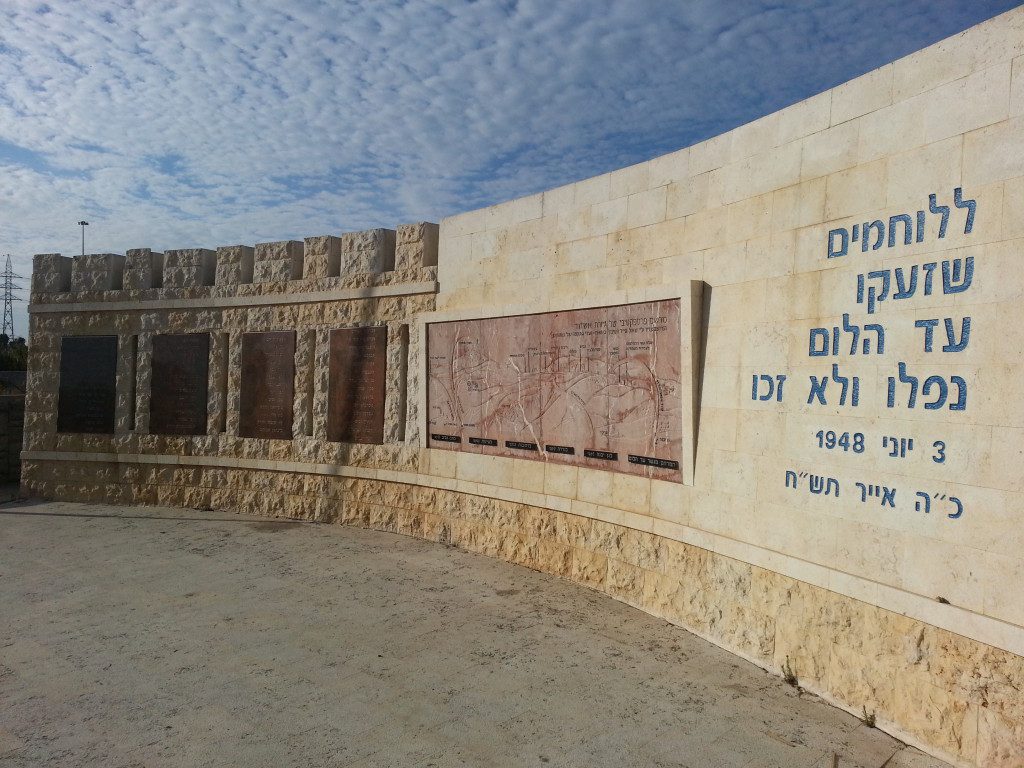
We began the day at the Ad Halom Bridge, formerly known as Jisr Isdud, located next to Ashdod. This was the northernmost point reached by the advancing Egyptian armies, only 34km south of Tel Aviv. Fortunately the Israelis had managed to blow up the bridge, preventing further advancement, and we heard how a mixture of Israeli attacks (ironically complete failures, but psychologically damaging) combined with poor Egyptian intelligence meant that they progressed no further, instead opting to travel eastwards and cut off the south of the country from the centre. As such, the bridge was renamed ‘Ad Halom’, a very literary way of saying ‘up to here’ – a reference to the fact that the Egyptians progressed no further north.
We heard the story of the battles here, together with several acts of heroic individual bravery. This was also the site of the first mission of the nascent Israeli Air Force, if four planes could be called an air force! The country has come a long way since 1948…
Kibbutz Nitzanim and the Women of Valour Centre
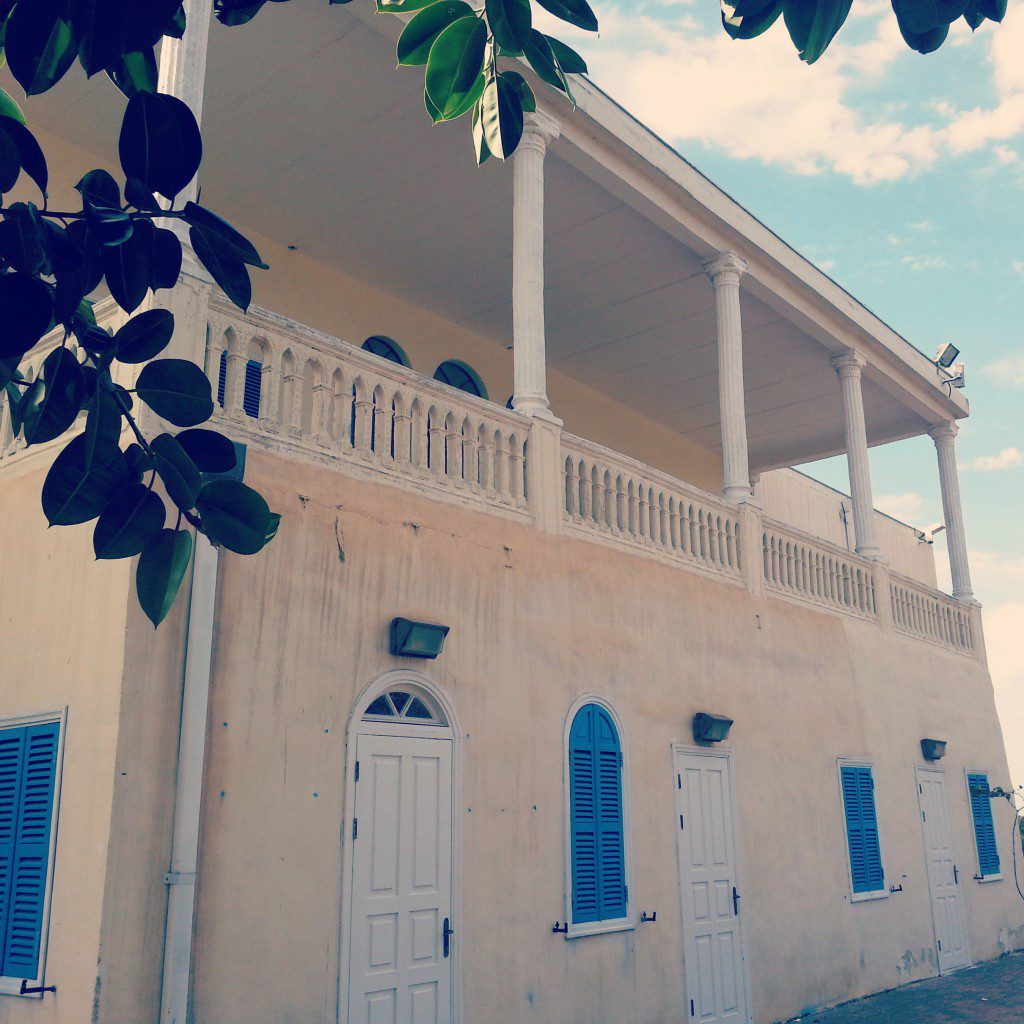
We continued south to the original site of Kibbutz Nitzanim. The Egyptians had not given the kibbutz too much trouble on their push north but with the decision to entrench they returned to clear their lines. The defendants of the kibbutz were hugely outnumbered and did not even have enough guns for one each; their communications device also failed and they were cut off from Israeli HQ – they had no idea if their SOS had been received and if back-up was on the way. They did their best to hold on heroically but eventually surrendered.
This surrender was pilloried at the time but once the facts became clear after the war, those involved in the battle were recognised for their bravery. The site is now also the site of the Women of Valour Centre, a memorial to all female soldiers who have died in battle. This site was chosen as in the last minute evacuation of women and children, 10 women refused to leave, insisting on taking their part in the defence of their home. Three of them were killed by Egyptian fire.
Kibbutz Yad Mordechai
We journeyed further south, although back in time chronologically, to Kibbutz Yad Mordechai. Sadly passing by the sign for the bee & honey experience (they make a lot of honey on the kibbutz), we visited the museum of the kibbutz where we heard the story of the battle here in 1948. Unlike at Nitzanim, the Egyptians made a point of conquering the kibbutz on their way north, as it occupied a strategic position on the coastal road.
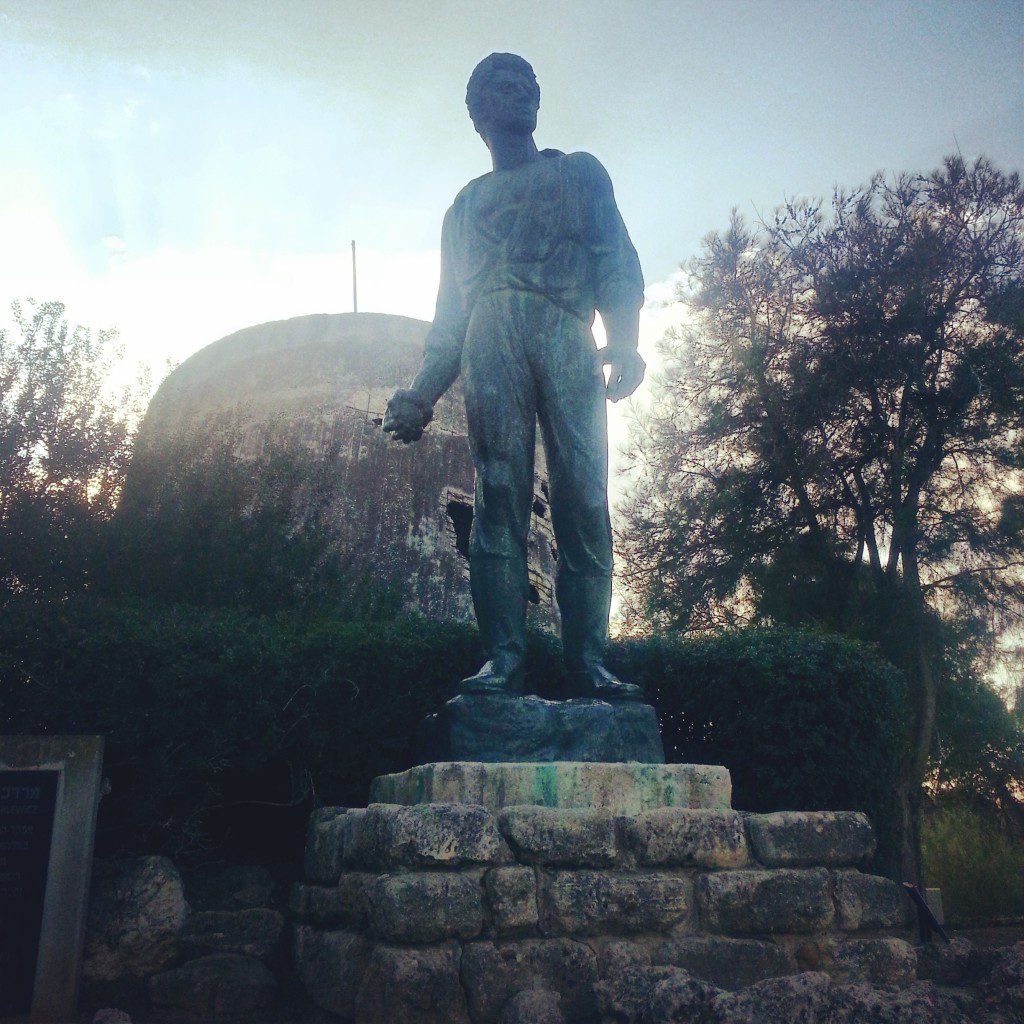
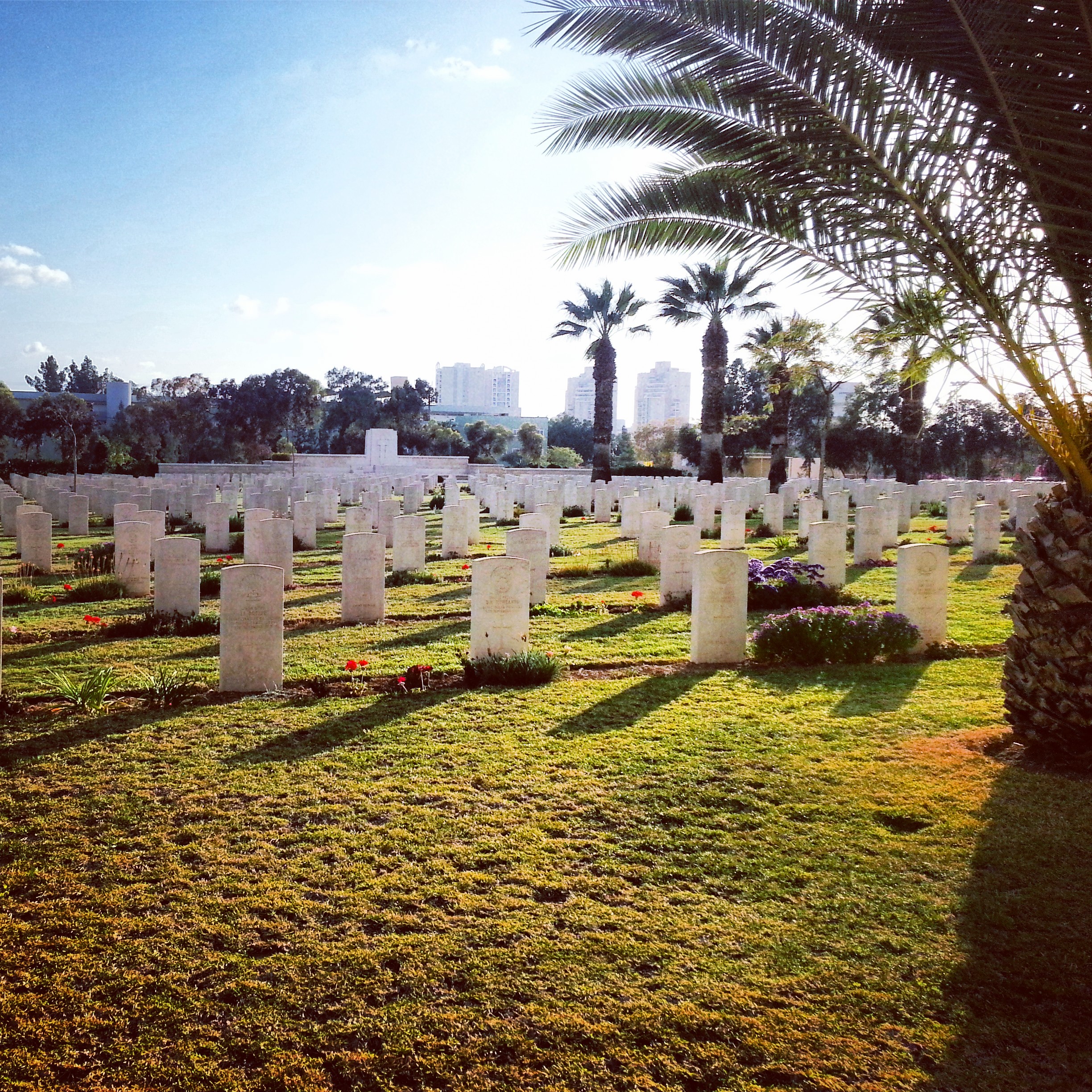
The Israelis bravely held out for a few days but eventually fled in the face of overwhelming Egyptian superiority in numbers and weaponry. We heard of some of the acts of heroism while visiting the cemetery for those who died in the war. Eventually the IDF took back the kibbutz in its push south, and it became the effective border with the Gaza Strip (which was controlled by Egypt after 1948).
The kibbutz is named after Mordechai Anielewicz, the leader of the revolt in the Warsaw Ghetto. The museum also contains information on life in the ghetto and details of the revolt.
Kibbutz Negba and Operation Yoav
Our final stop of the day was at Kibbutz Negba, which became the Israeli southern front against the Egyptian army. After spreading east from Ashdod, they had reached this area, but did not manage to conquer Negba. As we again sat in the military cemetery, we heard how the kibbutz remarkably held out in the face of ferocious attacks, being vastly outnumbered and with inferior weaponry. It was really quite remarkable.
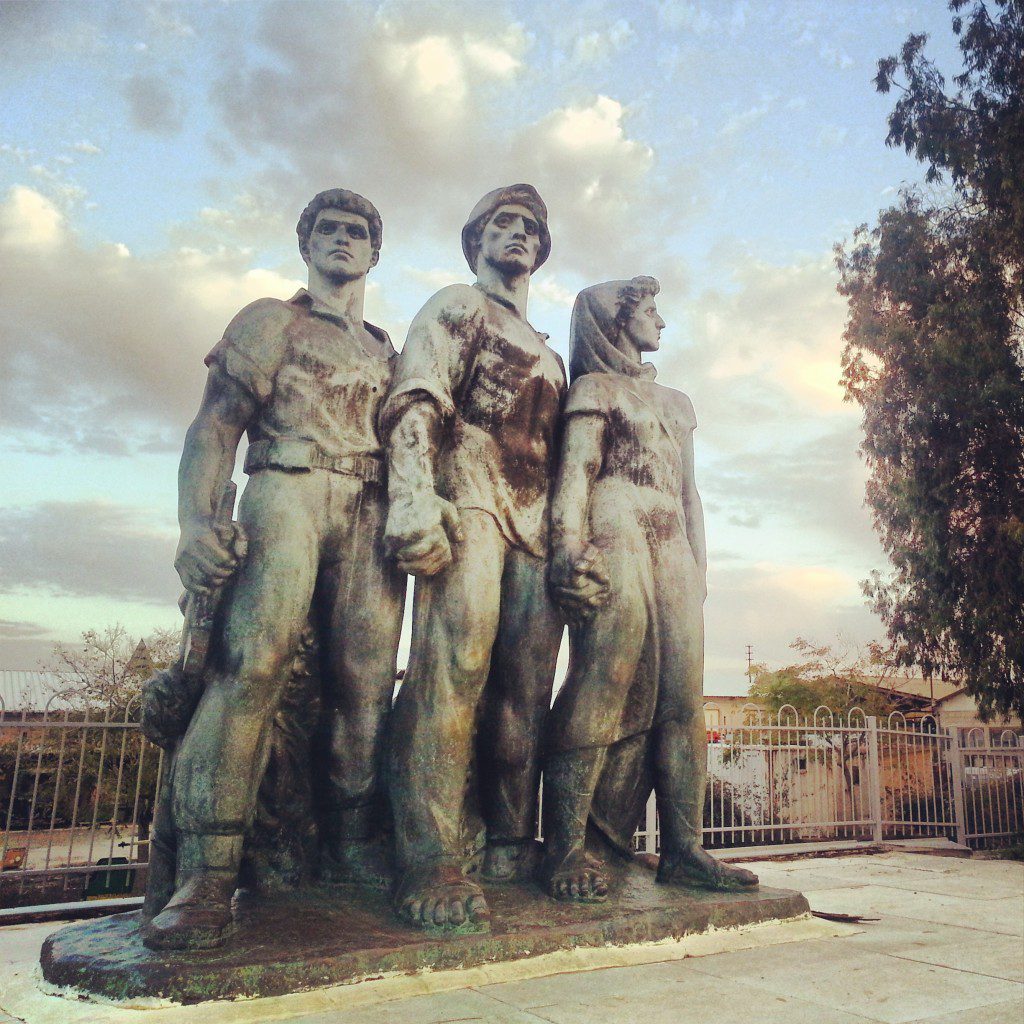
Here we learned about Operation Yoav, named for one of Negba’s fallen. It was this operation, launched after the Jerusalem siege was broken, that finally broke through the Egyptian lines into the Negev. The decisive battle took place a few kilometres away from Negba.
With the Egyptian army now surrounded, the Israelis opened talks about a ceasefire and withdrawal; 90 days later the Egyptians acquiesced and left; the largest of the Arab armies that had invaded Israel in 1948 had been repelled, and the south had been freed.


Leave a comment