
Click here to read about Day 1 or Day 3 of the campus.
An early rise to enjoy dawn breaking over the crater and a surprisingly good breakfast in the field school. Today’s tour was dedicated to the area of the Makhtesh Ramon, or Ramon Crater, the largest of these geological phenomena in Israel at a length of 40km.
Quick facts & guide tips
| Where | Mitzpe Ramon and the Makhtesh Ramon, central Negev |
|---|---|
| Key sites | Ramon Visitors’ Centre, Khan Saharonim, Nachal Ardon, the Carpentry Shop, Bio Ramon |
| Best for | Geology, desert wildlife and Nabbatean spice-route history |
| Access | Visitors’ centre and Bio Ramon are in town; descending into the crater needs a vehicle suited to dirt roads, or a guided jeep tour |

The Ramon Visitors’ Centre in Mitzpe Ramon
We began our day at the newly refurbished visitors’ centre in Mitzpe Ramon. The refurb was funded by the family of Ilan and Asaf Ramon (the name being the same as that of the crater is purely coincidental) in memory of Israel’s first astronaut and his pilot son, who both died in separate tragic accidents.
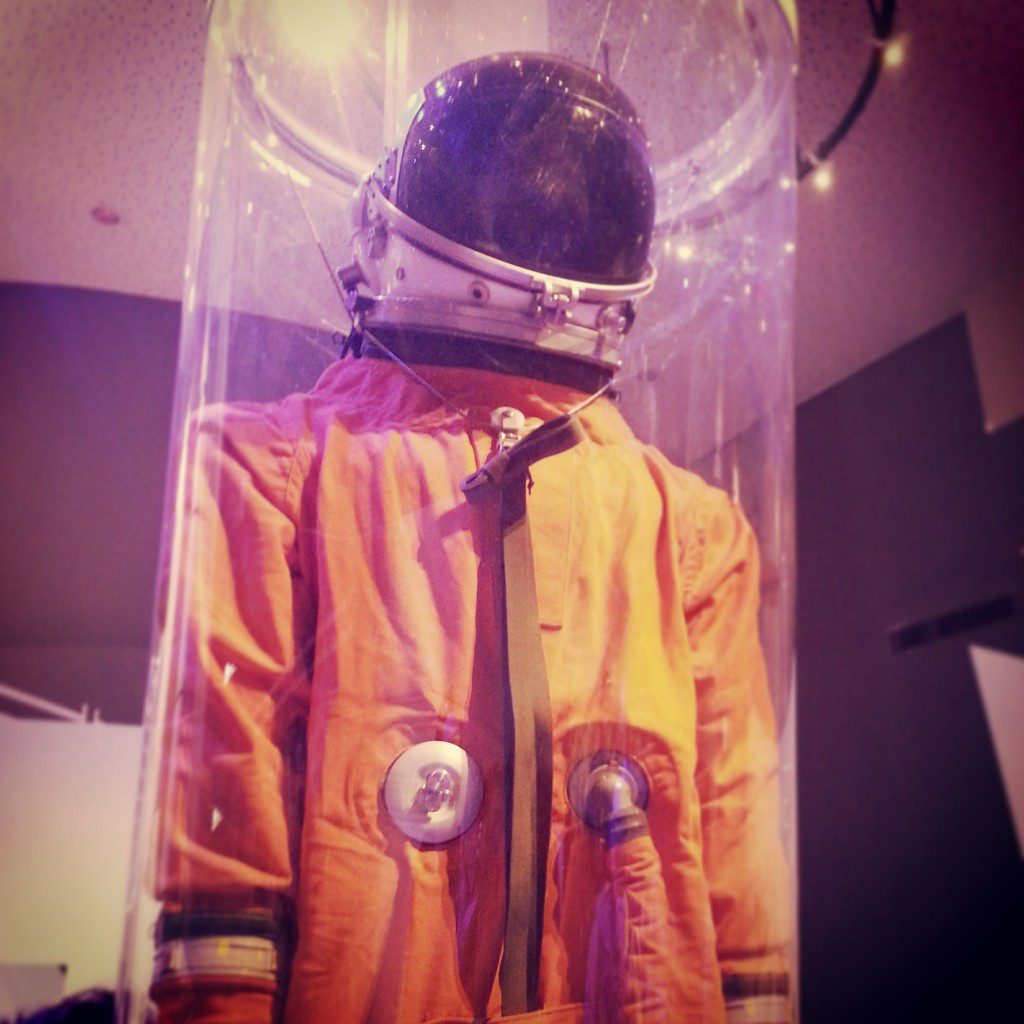
As such, the beginning of the museum tells the story of Ilan Ramon, and a little about Asaf. It is not really connected to the crater but the tale is moving, and one cannot begrudge the family the desire to create a memorial to these two very impressive individuals, and it is done extremely well.
The rest of the centre has a fantastic film/moving presentation about the formation of the crater and another very good film about wildlife in the area. In short, if you plan to visit the area, I really think the visitors’ centre is a no miss.
Into the crater: Khan Saharonim and Nachal Ardon
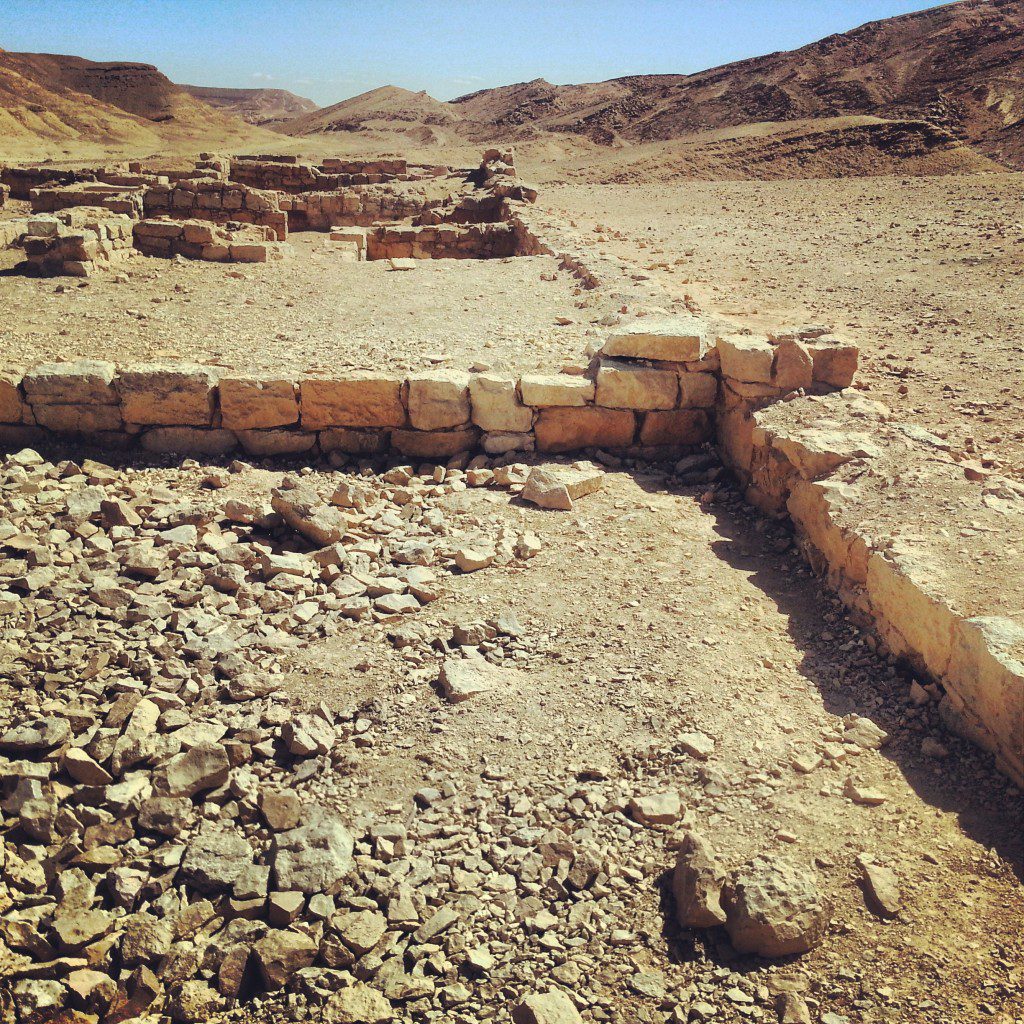
It was now time to descend into the crater. We journeyed quite a way on dirt roads until we reached the area of Khan Saharonim. Here, next to a small spring, were the ruins of a Nabbatean khan (inn) along the famous spice route that they used to transport merchandise from the area of Yemen to the port at Gaza, sending it across the Roman Empire.
After exploring the area a little; learning about some of the local flora and fauna, we travelled a short distance to Nachal Ardon. It was possible to see the damp ground from the recent flash floods, and the plants that were newly blooming as a result of the rains.
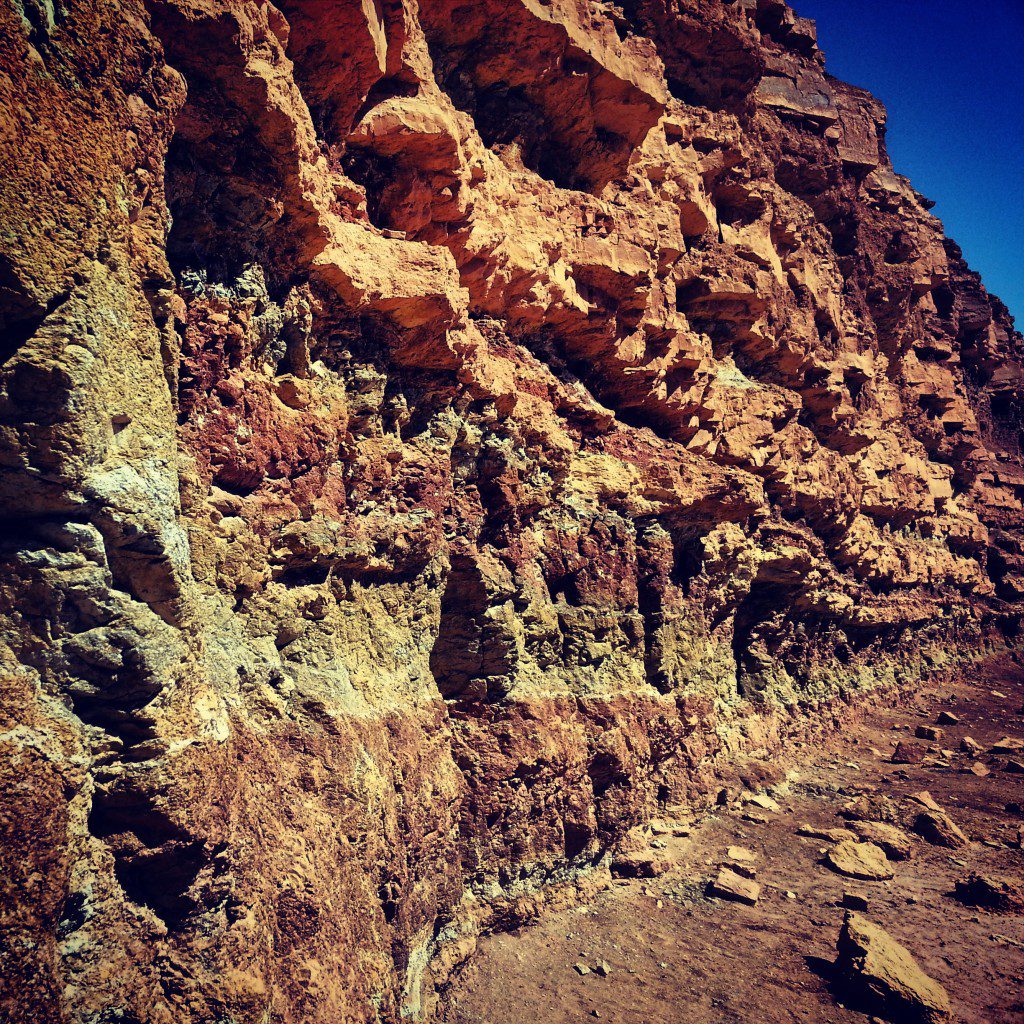
We soon reached our goal during this short walk – the dykes that lined the walls of the river bed. These are formed by molten rock pushing into cracks in the existing rock; the magma cools and forms a different type of rock to that surrounding it, causing it to erode at a different pace.
The Carpentry Shop and Bio Ramon
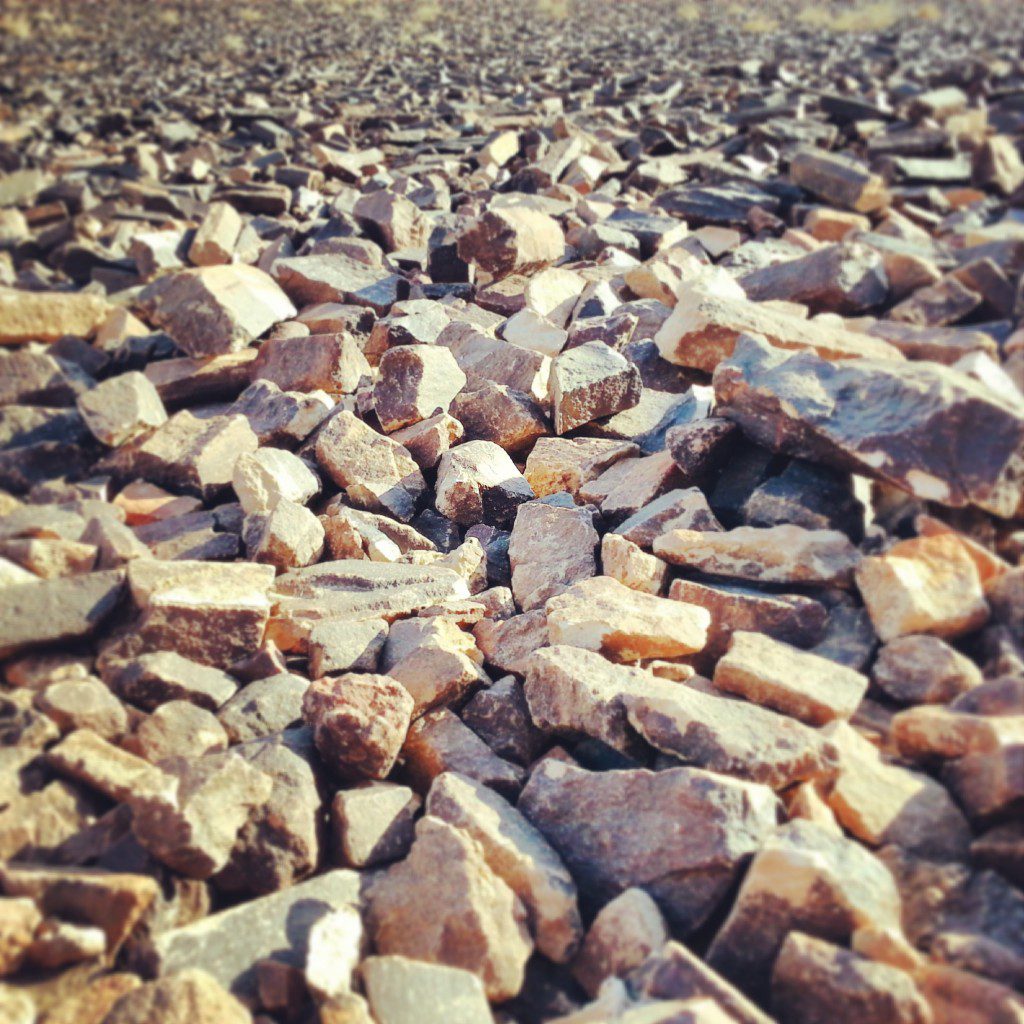
We returned to the northern side of the crater, and the area known as the ‘Carpentry Shop’. Due to volcanic processes, this small hill has formed into a series of small pieces of rock that look similar to wood-chips, hence the name. We learned about the formation of the hill and enjoyed the view out over the landscape of the crater.
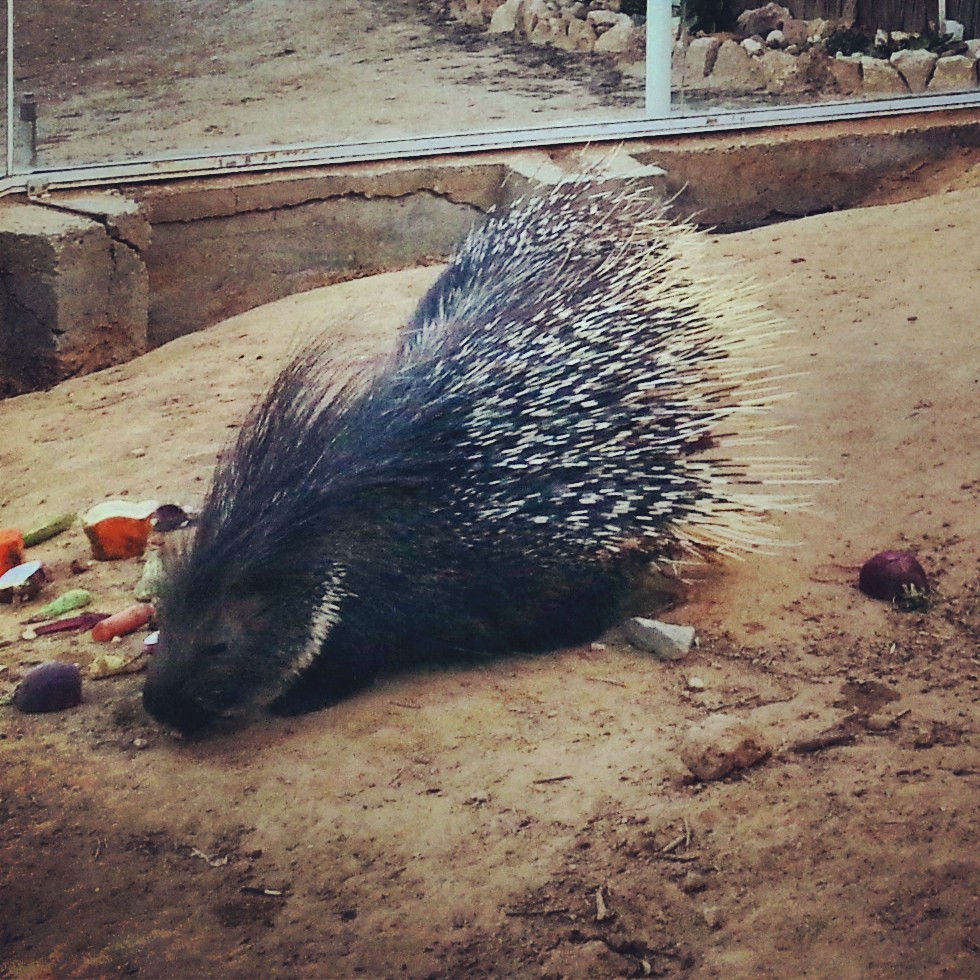
Our final stop was back in Mitzpe Ramon, at the Bio Ramon. A significant sample of the animals that live in the crater are kept here, and it is possible to see them up close and learn about their habits and lifestyles. Night was drawing in, and they were beginning to get active. For us, it was time to return to the field school and prepare for the final day of our campus which awaited us on the morrow.

Nice post! I noticed that you linked my post about the “Carpentry Shop” – I’m honoured.
Browsing through your blog I see it’s very similar to mine, great minds must think alike.
Indeed! Kol hakavod for getting around so much independently. We live in a fascinating country and we need to make the most of it 🙂