
As we move into the winter months the Jordan Valley was a welcome itinerary as it is well known for having somewhat warmer climes. We left Tel Aviv and ascended up to the Judean Hills into a dense fog, we were enveloped in an ambiance of mystique and perhaps slight foreboding as we crossed over the Green Line and headed to the town of Maale Adumim, and the Martyrius Monastery.
Quick facts & guide tips
| Where | Jordan Valley and eastern Judean desert, from Maale Adumim down to Jericho and north along route 90 |
| Key sites | Martyrius Monastery, St Euthymius Monastery, Monastery of St Gerassimos, Qasr el Yahud, Jordan Valley Monument, Ein Mabua spring |
| Period | Byzantine desert monasticism (5th–6th century), with biblical, Hasmonean and modern Israeli layers |
| Best for | Winter day trips when the rest of the country is cold and wet; the valley sits well below sea level and tends to stay warmer |
Martyrius Monastery
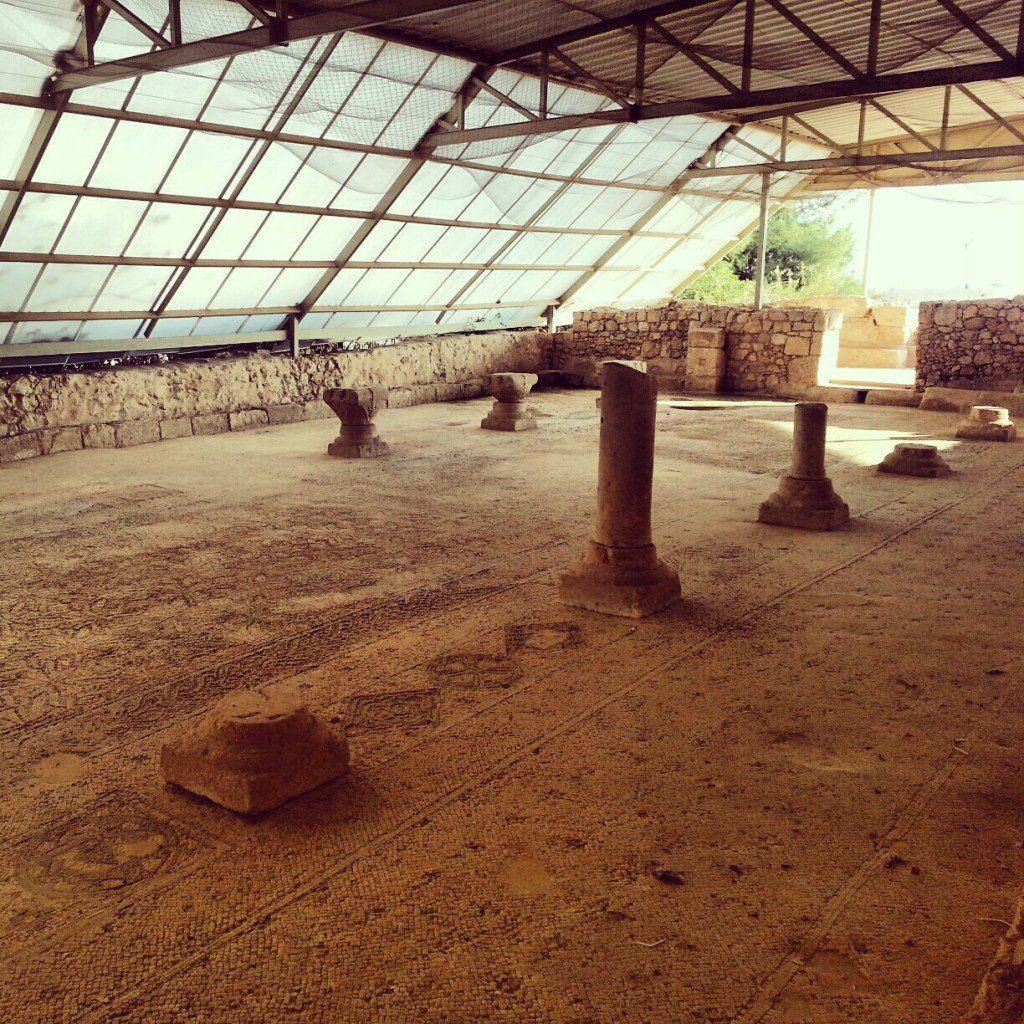
The Monastery dates from the 5th century (the Byzantine period). Today we would learn about the movement of monks in the Judean desert which is said to have begun with the arrival of Chariton in the year 337. This was an extremely significant movement numbering 20 000 monks spread across 60 monasteries by the middle of the 6th century. The first monasteries were called laura and consisted of a central cave for the head monk with smaller caves around it. They then evolved (often on the same site) into built structures for communal living known as a coenobium.
This monastery, named for the monk who was at one time Patriarch of Jerusalem, was a large structure housing around 250 monks and also offering lodgings to pilgrims on the Jericho-Jerusalem trail. As we wandered around the ruins our guide explained about how the monks would live in the desert conditions.
St Euthymius Monastery
We then drove down the hill to the St Euthymius Monastery which has been excavated in the heart of the Maale Adumim industrial zone. St Euthymius inherited Chariton’s mantle as the major monk in the area of the Judean desert having come here from Armenia. He moved around several times but died and was buried in the site upon which the monastery was built. Much of the structure is original although some was restored at the time of the crusaders. In order to prevent his bones being removed by pilgrims St Euthymius left special instructions about a funnel to be placed above his tomb for them to anoint themselves on. We found the funnel, but sadly his bones were removed at some point in history and are now somewhere among the relics held by churches in Europe.
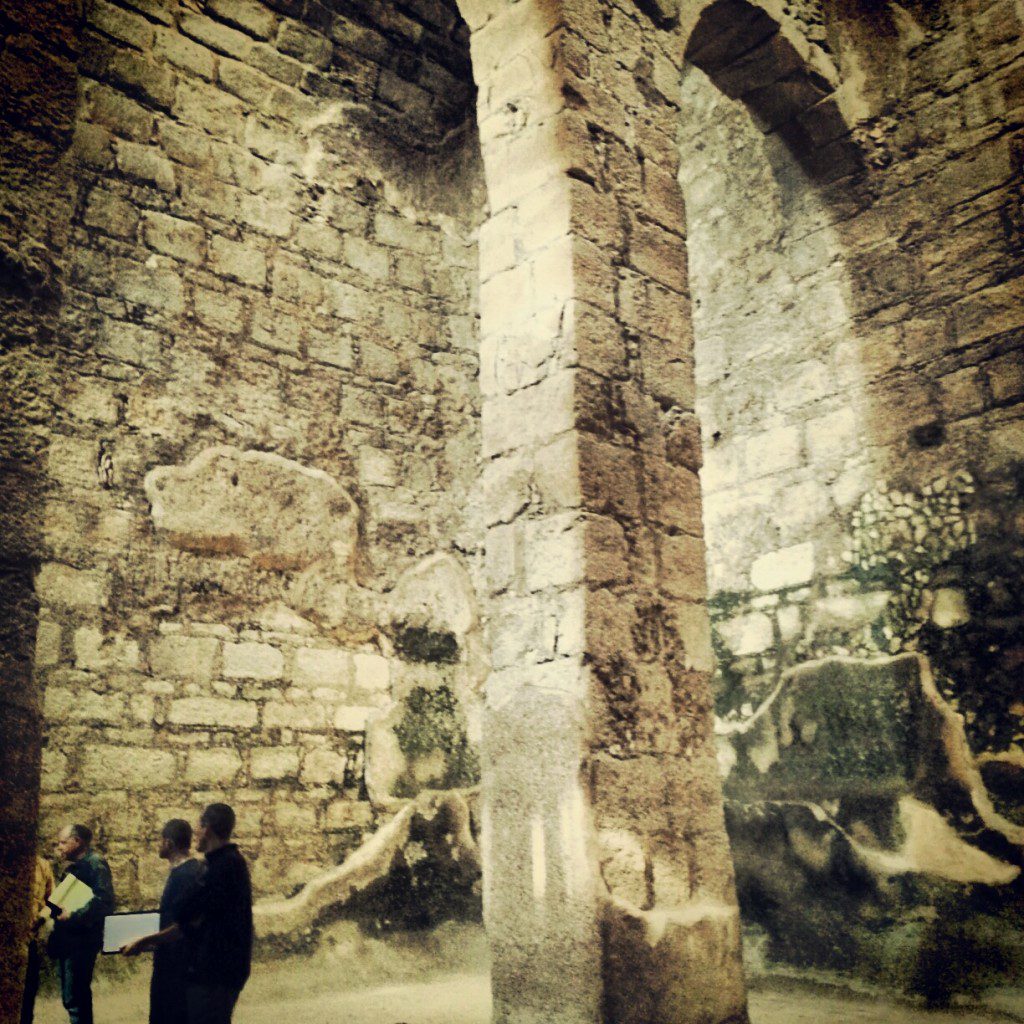
Particularly impressive was the vast cistern (one of two of this size) used to capture as much rain water as possible to survive the desert heat. We climbed down to the bottom and gazed up at this incredible structure hewn into the chalk rock. An extremely impressive feat of engineering, it even used techniques to protect it from earthquakes (which evidently worked).
To add to the ambiance, our guide played the song “El Borot Hamayim” (to the water cisterns) and handed out sheets with the lyrics. A nice sing along was had.
Monastery of St Gerassimos
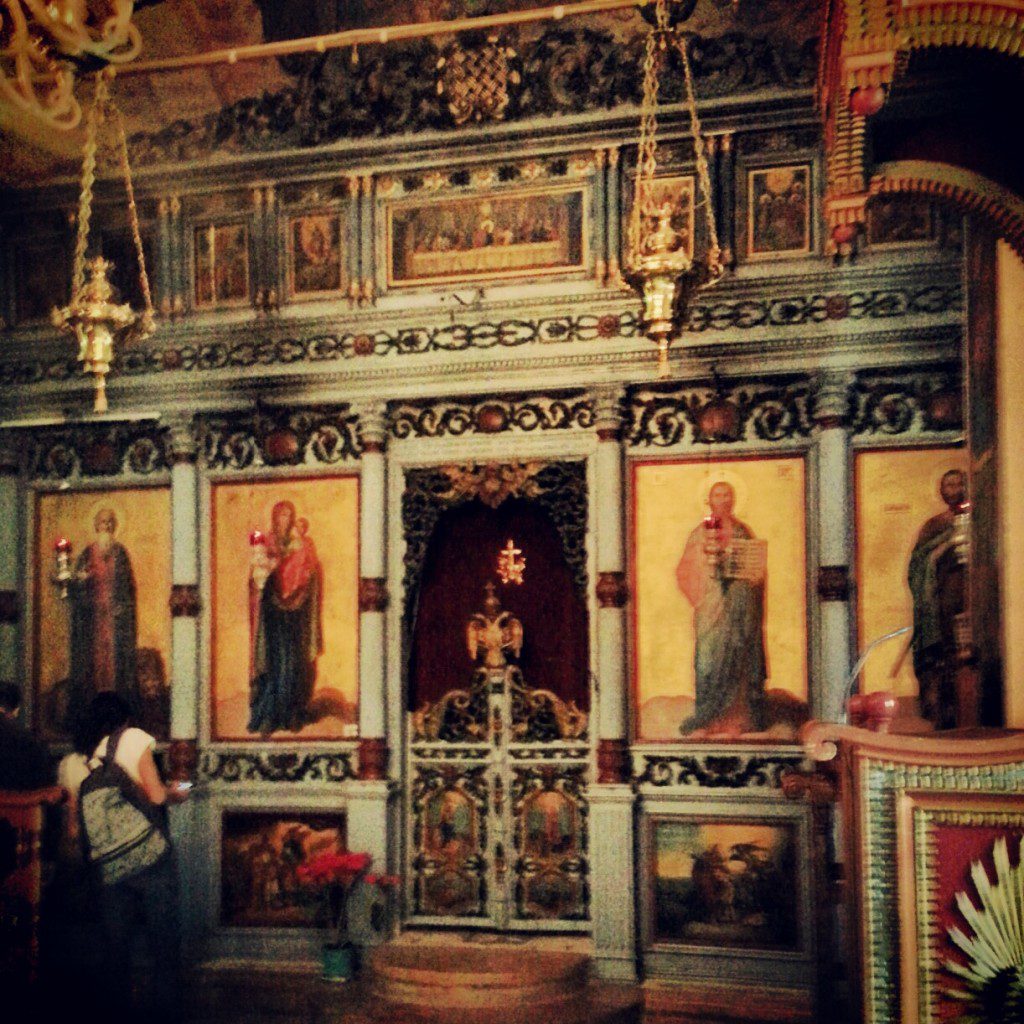
We moved on past Jericho and headed North up route 90 to our final monastery of the day, that of St. Gerassimos. He, like Martyrius, was a disciple of St Euthymius and was credited with pioneering the establishment of monasteries in the area of Jericho. The site was restored over the past 30 years by the Greek Orthodox church and there are now lodgings there for pilgrims together with small mosaic and candle making factories. The church has been refurbished and there are beautiful paintings of various saints and scenes from the Bible, together with a brand new home made mosaic floor. The surroundings are very peaceful and shady in the desert sun although sadly they offer no respite from the desert flies.
Qasr el Yahud
From this monastery it was a short trip to Qasr el Yahud, an old deserted crusader period monastery on the site of a church dedicated to John the Baptist and built on the orders of Helena (mother of the Roman emperor Constantine, who also ordered the building of various churches in Jerusalem including the Church of the Holy Sepulchre). Just a few meters further and we found ourselves at the bank of the Jordan River at the site where John the Baptist baptised Jesus, effectively founding a new religious movement. There were many groups of pilgrims from around the world quietly praying or singing hymns together; it was a very special ambience.
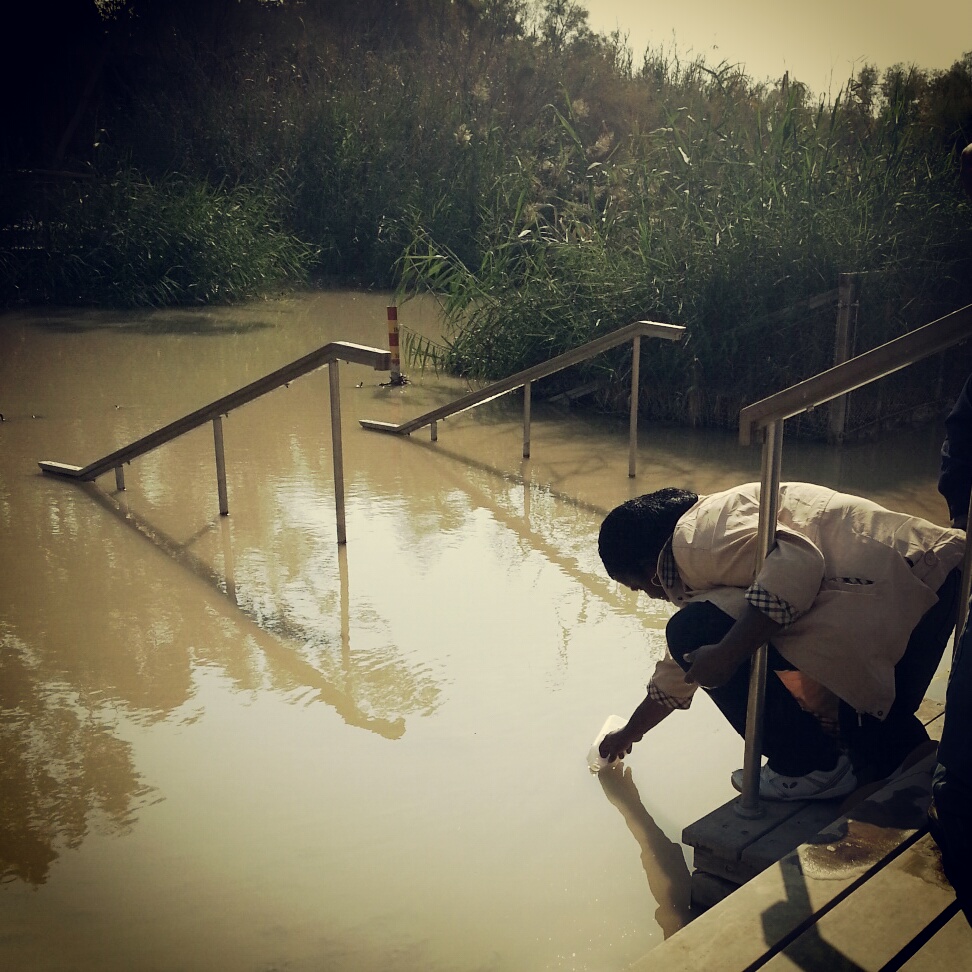
The site is also important in Jewish history. It is here that the Israelites entered the Land of Israel for the first time, and where they spent their first Pesach as a free people. It was also the site where the prophet Elijah passed on his leadership position to Elisha before being whisked away to heaven in a chariot of fire. It is a site associated with new beginnings.
Jordan Valley Monument
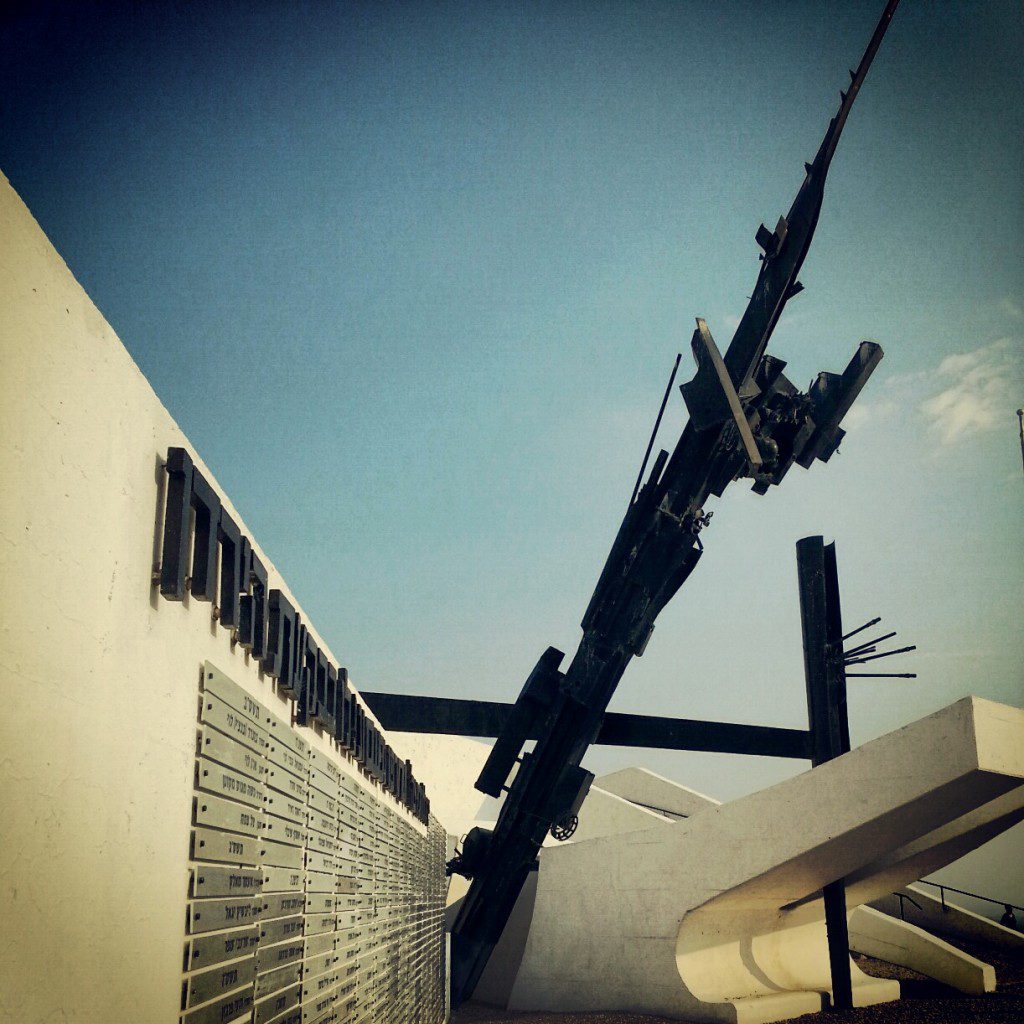
After a spot of lunch our trip took a more sombre turn as we visited the Jordan Valley monument. Designed by the artist Yigal Turmakin and constructed from old parts of armoured vehicles, tanks and guns, it serves as a memorial to the Israeli soldiers who died in the area, particularly as a result of the period known as the period of pursuits. Once Israel took control of the West Bank in the 1967 Six Day War, Palestinians began to infiltrate from Jordan and carry out attacks. Many soldiers lost their lives to this guerrilla warfare and they are commemorated here.
The site also commands an impressive view over the Jordan valley and into Jordan itself. Our guide pointed out the sites of former strongholds of the Jewish Hasmonean kings in the area together with modern agricultural settlements.

The Alon Road to the Mabua spring
From the monument we took the winding road known as the Alon Road (after Yigal Alon, a former army commander and politician) deep into the Samarian hills. The scenery was stunning although it was also a little eerie; much of the area was deserted. Occasionally we would pass small villages or other signs of human life such as olive tree groves and a herd of goats with their shepherd. As we went through our guide pointed out sites mentioned in the Bible or of significant excavations. There is a great deal of history in these hills.
Eventually we reached our destination at the Mabua spring in Nachal Perat. The spring is unusual due to its unpredictable flow. There is an underground cave which fills with rainwater seeping down through the rock. When the water reaches a certain level in the cave, due to a sort of U-bend eroded in the rock, the water bursts out into the spring.
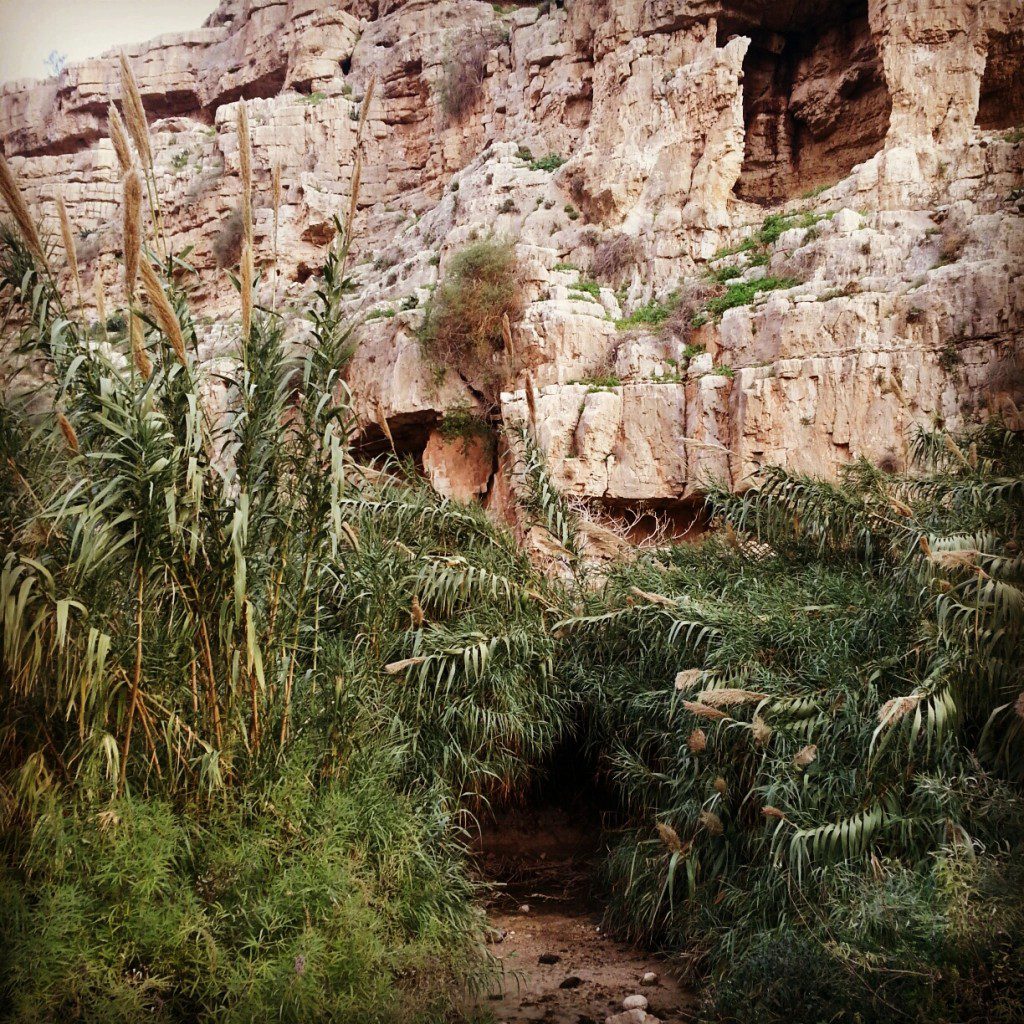
As dusk fell we walked into the Nachal noting the remnants of what used to be a vast system of aqueducts across the desert, carrying water from the various springs to the Hasmonean fortresses. Now they are in ruins and merely serve as a playground for rock squirrels. We concluded with a little more of a group sing-song by the spring and with the sound of music in our ears it was time to return home.


Leave a comment