A couple of weeks ago I decided to take a couple of days to explore some more of northern Israel. One of the amazing things about this country is that despite the fact that it’s very small and despite the fact that I’ve travelled around it so much, there’s always something more to discover. It’s really quite remarkable.
Quick facts & guide tips
| Where | The Galilee Panhandle and the Golan Heights, in Israel’s far north. |
|---|---|
| Time needed | Two days to cover both areas at a relaxed pace. |
| Highlights | The Hunin Crusader fortress, a sealed Hezbollah tunnel near the Lebanon border, the Roman temples at Hurvat Omrit, the Hexagon Pool at Nachal Meshushim, and the Yom Kippur War memorial at Tel Saki. |
| Pace | Drive between sites; expect a few short hikes (Yiftach Crevices, Nachal Meshushim, Ein Tina). |
Day One: The Galilee Panhandle
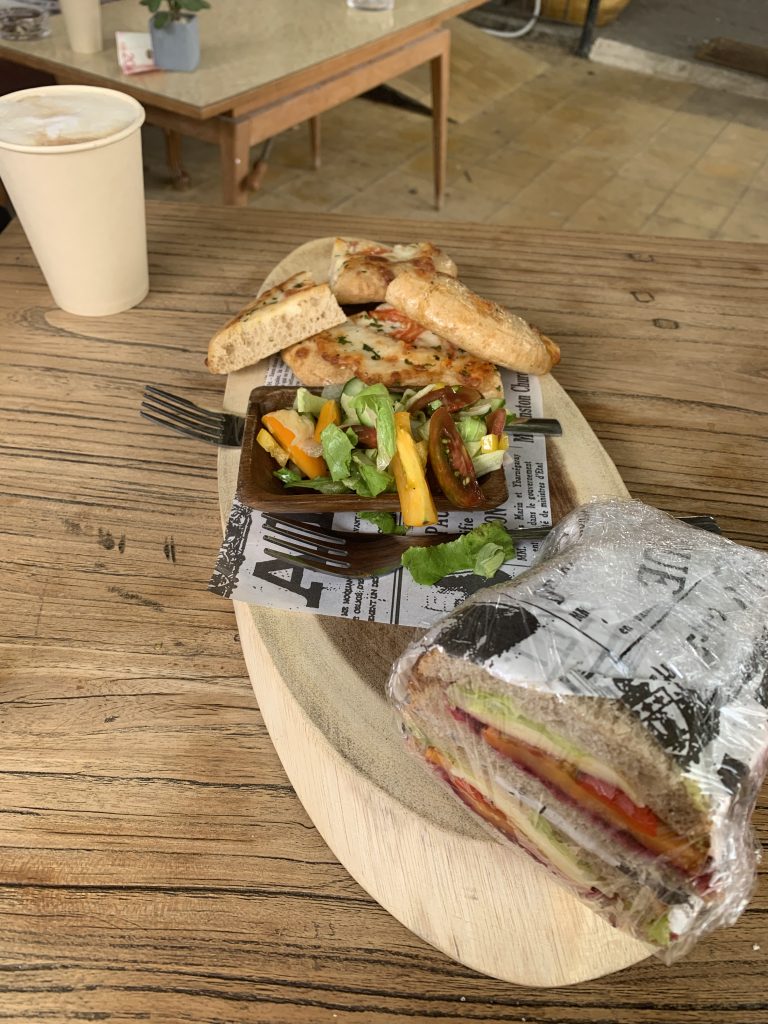
I left Tel Aviv early in the morning and after a brief stop at a delicious bakery in Rosh Pina (which specialises in only baking from spelt flour), arrived in the area of the Galilee Panhandle, the area of Israel which sticks up into the north and is surrounded by Lebanon on one side and the Golan Heights on the other.
Yiftach Crevices
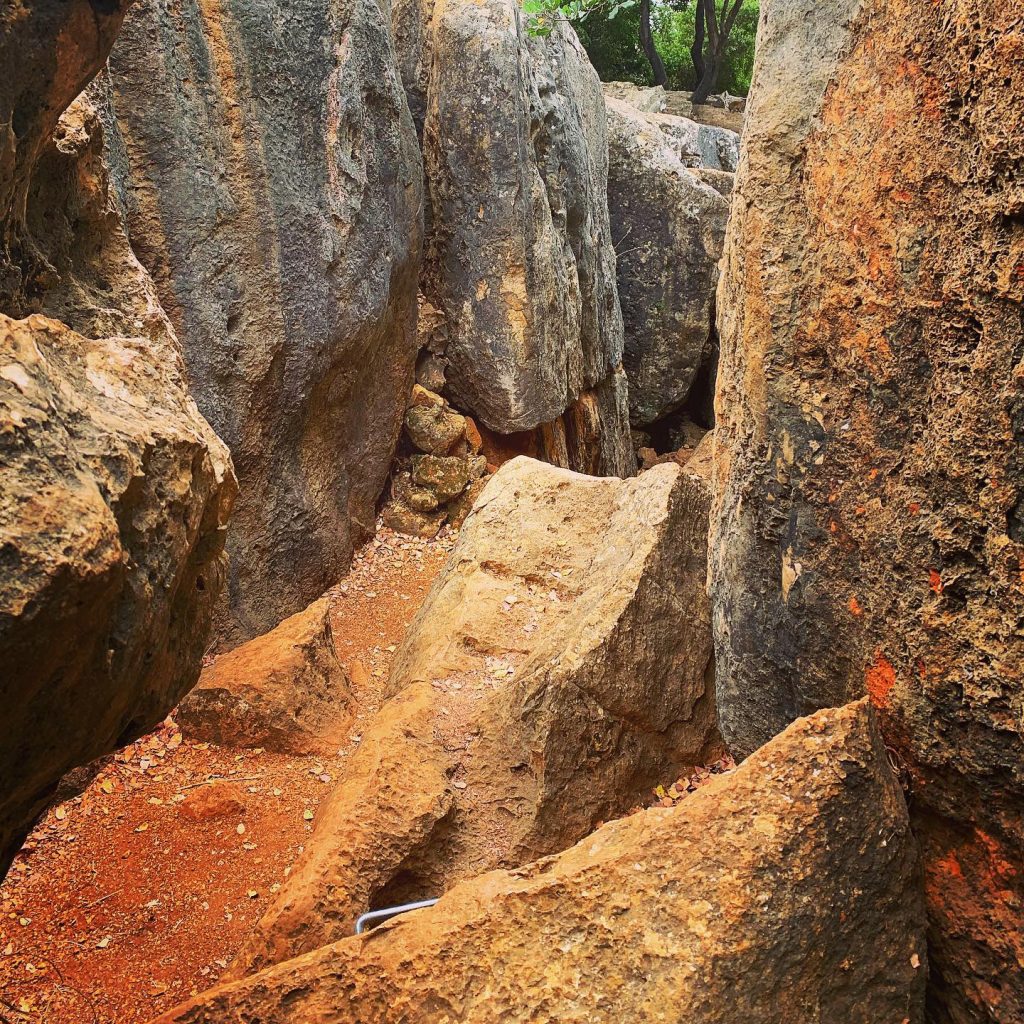
I began at the Yiftach Crevices, some small fissures in the ground which you can clamber through with the help of some metal handholds that have been helpfully left in the rocks for that very purpose. I was also able to catch sight of a whole bunch of rock hyraxes that were enjoying the peace and quiet until I showed up.
Hunin Fortress
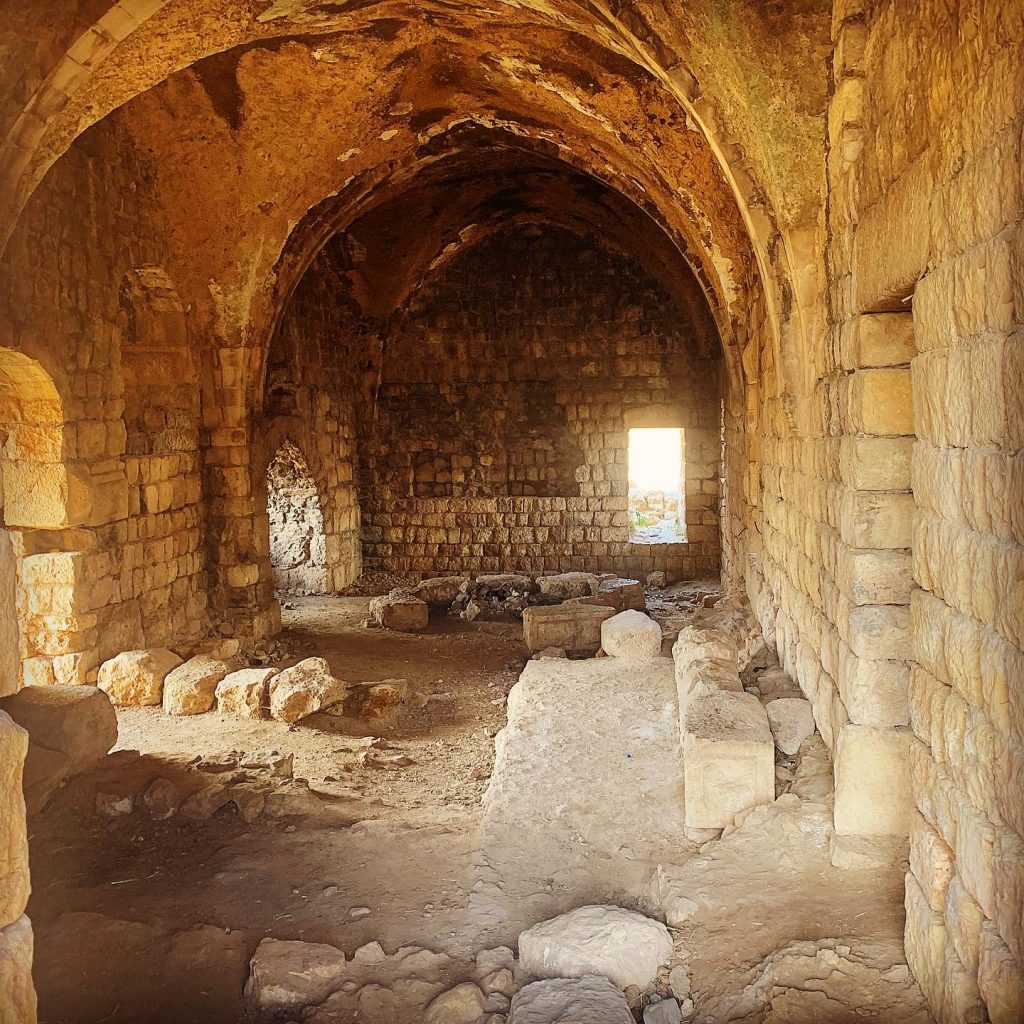
From there I ventured further north, hugging the border with Lebanon, until I arrived at the Hunin Fortress. Built around 800 years ago as part of a series of Crusader fortifications in the area, it’s largely unexcavated, but what is visible is still pretty impressive and you also have stunning views into the Hula Valley.
Metulla and the Good Fence
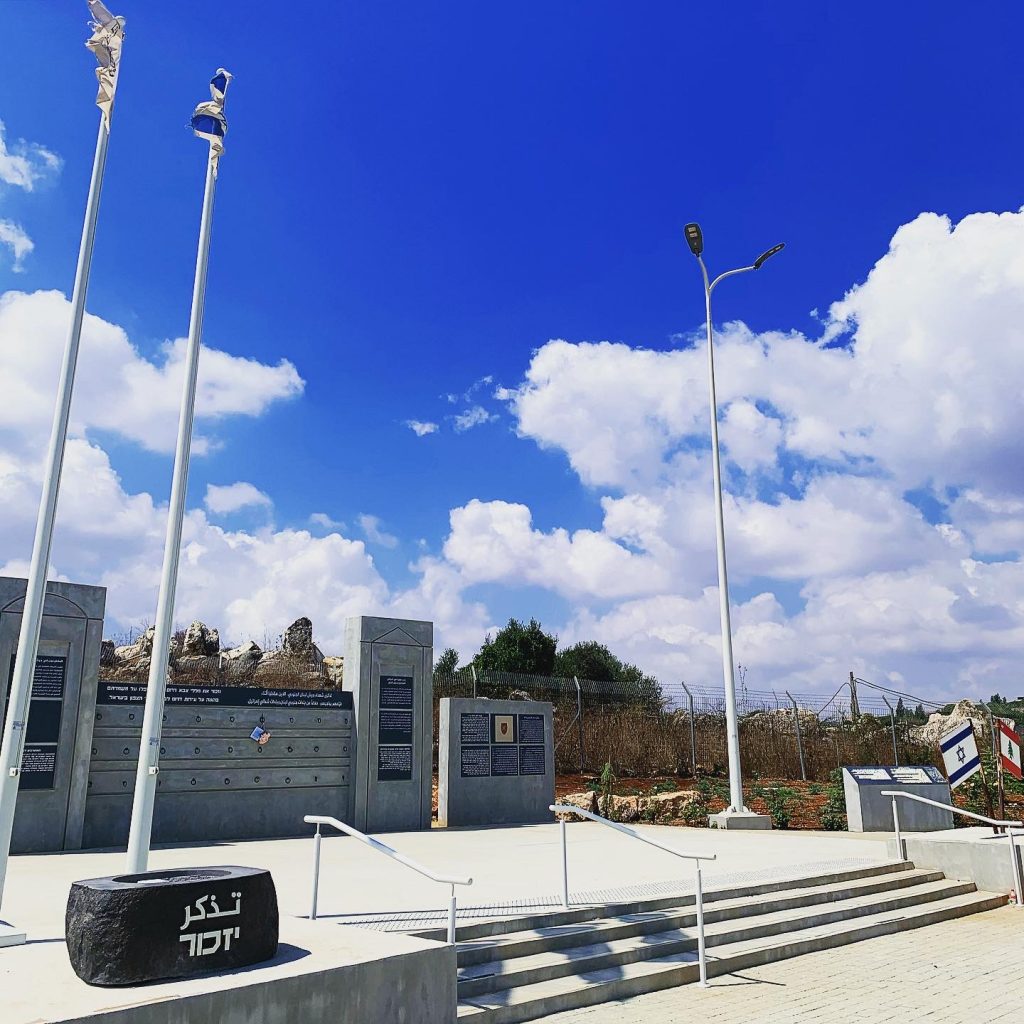
The next stop was in Metulla, Israel’s northernmost town which is almost entirely surrounded by Lebanon. I visited the area that was known as “The Good Fence”, a border crossing from when Israel occupied southern Lebanon. It was so called because Lebanese would cross over to work in Israel, and it was also a point at which Israelis could meet their friends and family who were serving in Lebanon. When Israel withdrew in 2000, the crossing was shut, leaving behind a set of now-ruined buildings, next to a beautiful and touching memorial to members of the South Lebanon Army who helped Israel fight the PLO and then Hezbollah.
The sealed Hezbollah tunnel
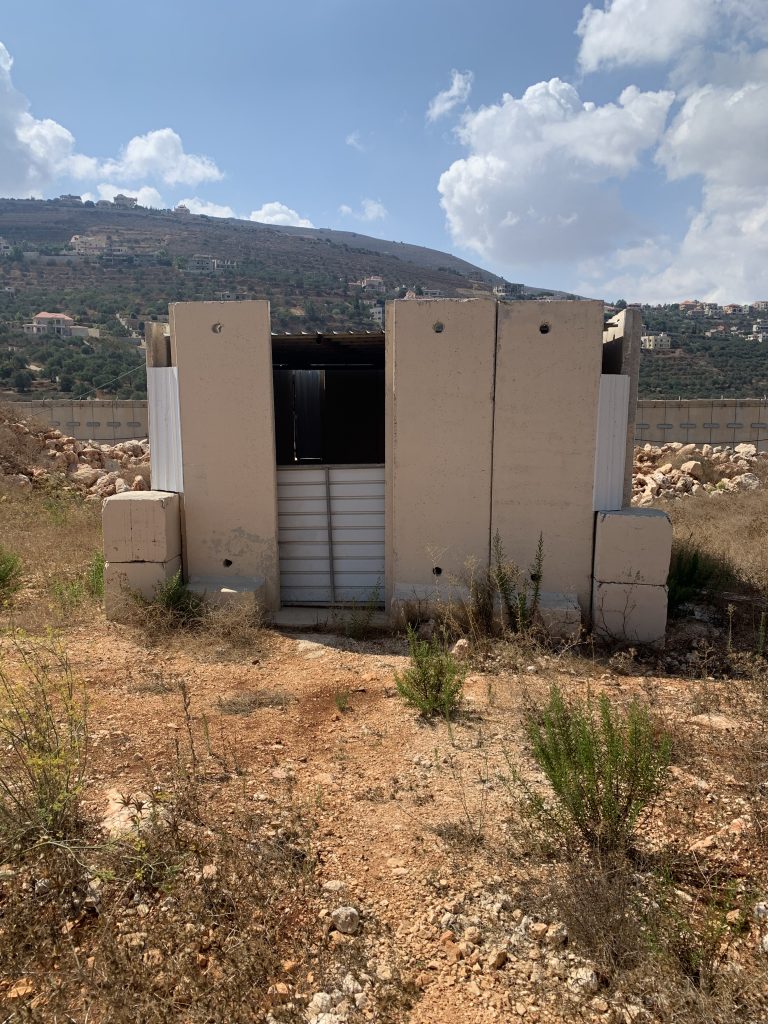
Then it was time for something of an adventure. A friend had advised that it was possible to find the entrance to one of the tunnels that Hezbollah had dug underneath the Israeli border, and was later sealed by the IDF. I followed his instructions, driving past numerous warning signs (“border ahead”, “no entry” etc), but was reassured by the fact that plenty of the local farmers were doing the same. I eventually found the tunnel entrance and it was quite remarkable to see it in person – and consider what the results would have been had the IDF not discovered it.
Horvat Omrit
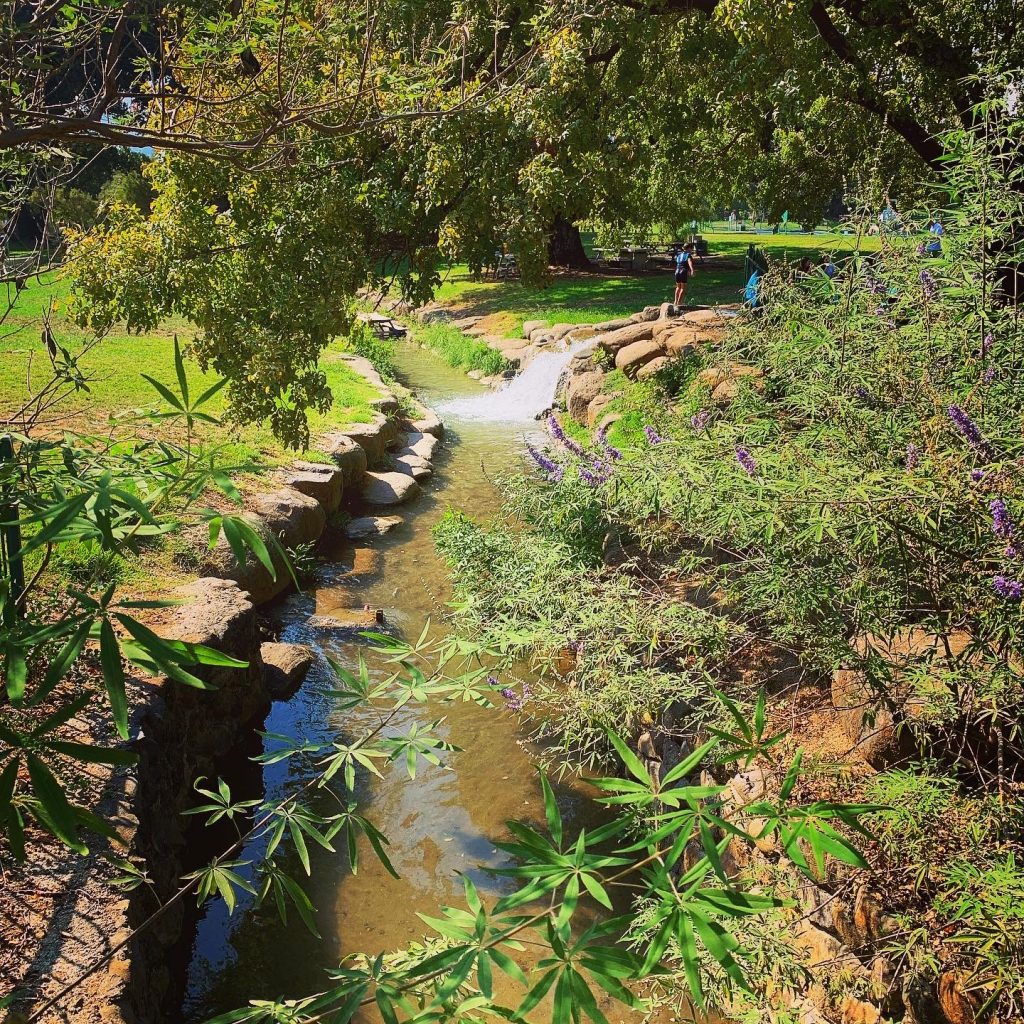
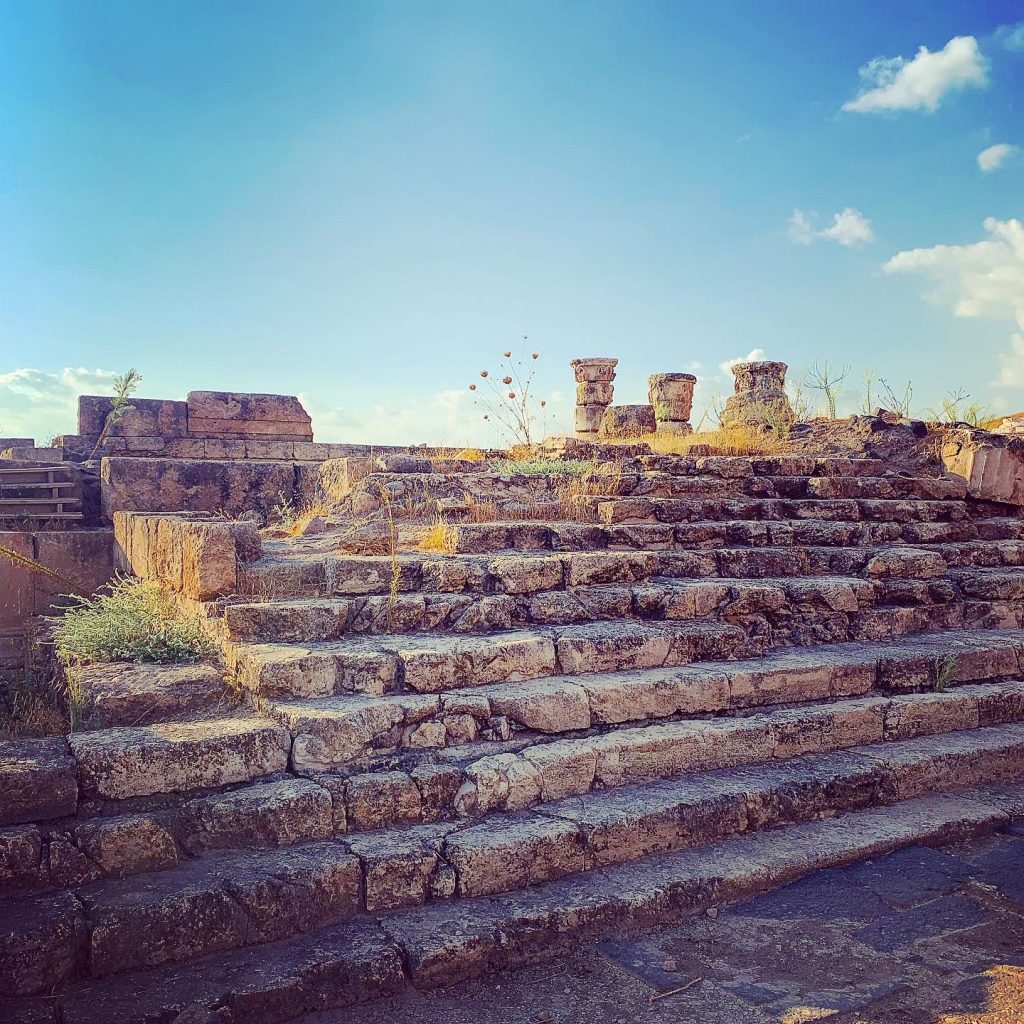
It was time to head east towards the Golan heights. After a brief stop to cool off in the refreshing spring waters at Horshat Tal National Park, I went for a short walk to the ancient Roman ruins at Horvat Omrit. This was a really remarkable site, consisting of three partially excavated and very impressive temples from around 2,000 years ago. It was a lovely way to cap off the day.
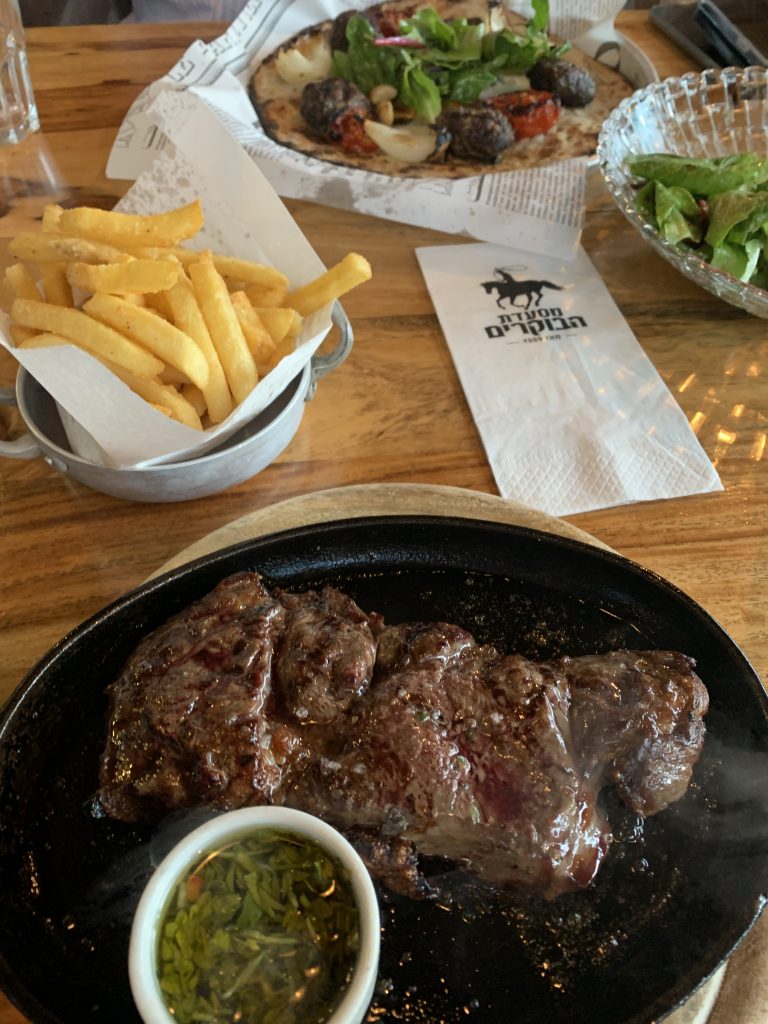
The sun was now setting. I headed further east into the Golan Heights and towards the Syrian border; I had booked accommodation in a kibbutz called Ein Zivan. But I couldn’t resist stopping off in Merom Golan for a pilgrimage to HaBokrim, one of my favourite steak houses, for a delicious dinner en route.
Day Two: The Golan Heights
Nachal Meshushim and the Hexagon Pool
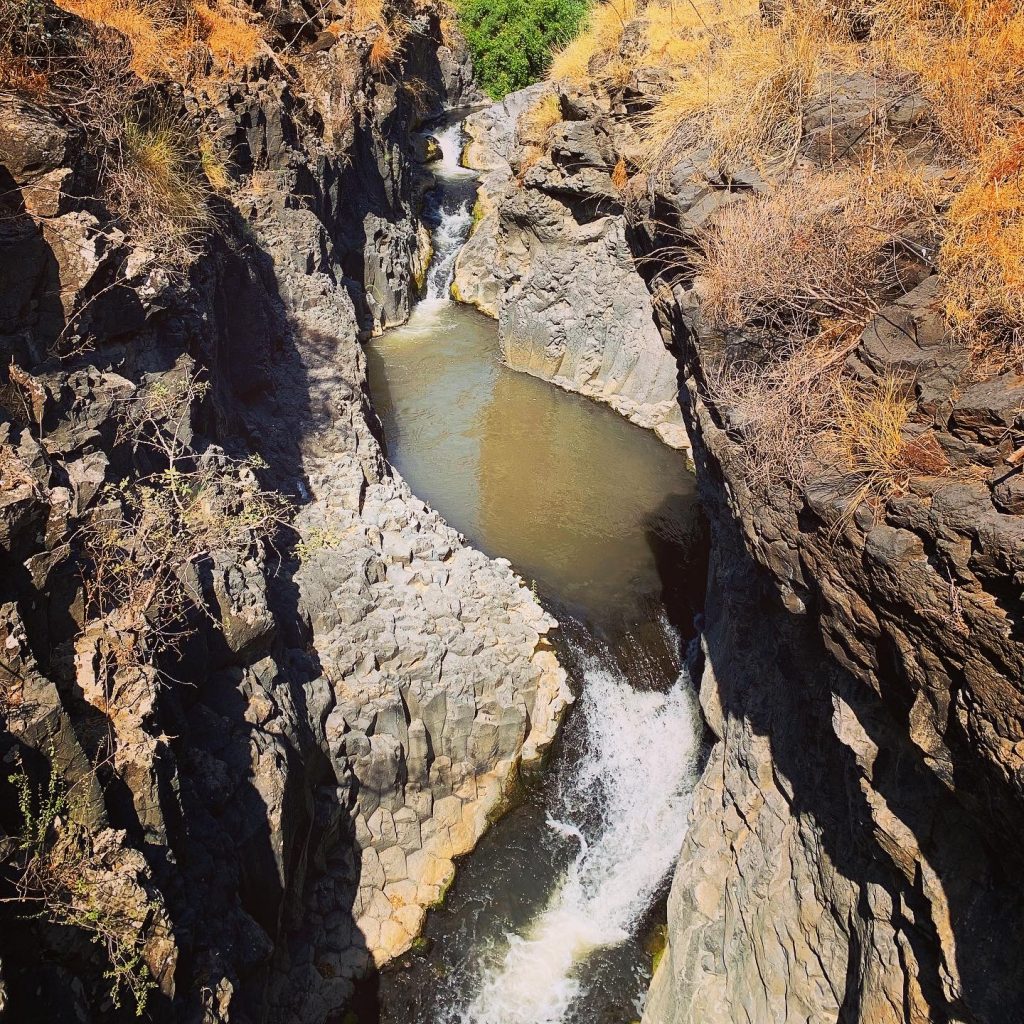
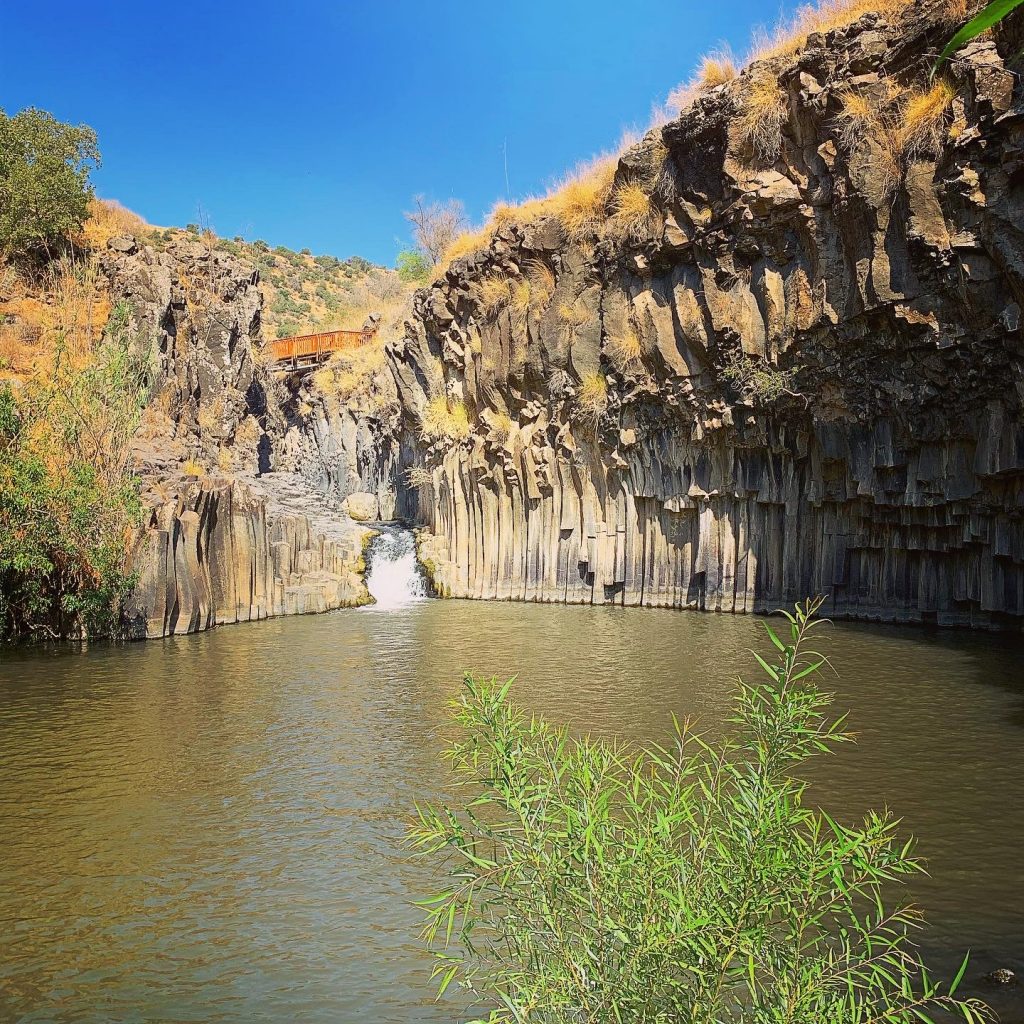
It’s still pretty hot in September so I got up early to grab a hearty breakfast and then head off on my first hike of the day: Nachal Meshushim. This trail takes on a walk through beautiful scenery down into a valley where you can see the remarkable hexagonal formations in a large basalt rock pool. It’s normally a good opportunity to cool off in the waters but the Ministry of Health had reported the waters had been temporarily polluted (probably by cows upstream) and had warned against swimming – this did not seem to stop other locals from plunging into the water but as warm as it was, I didn’t want to risk it.
Ein Tina
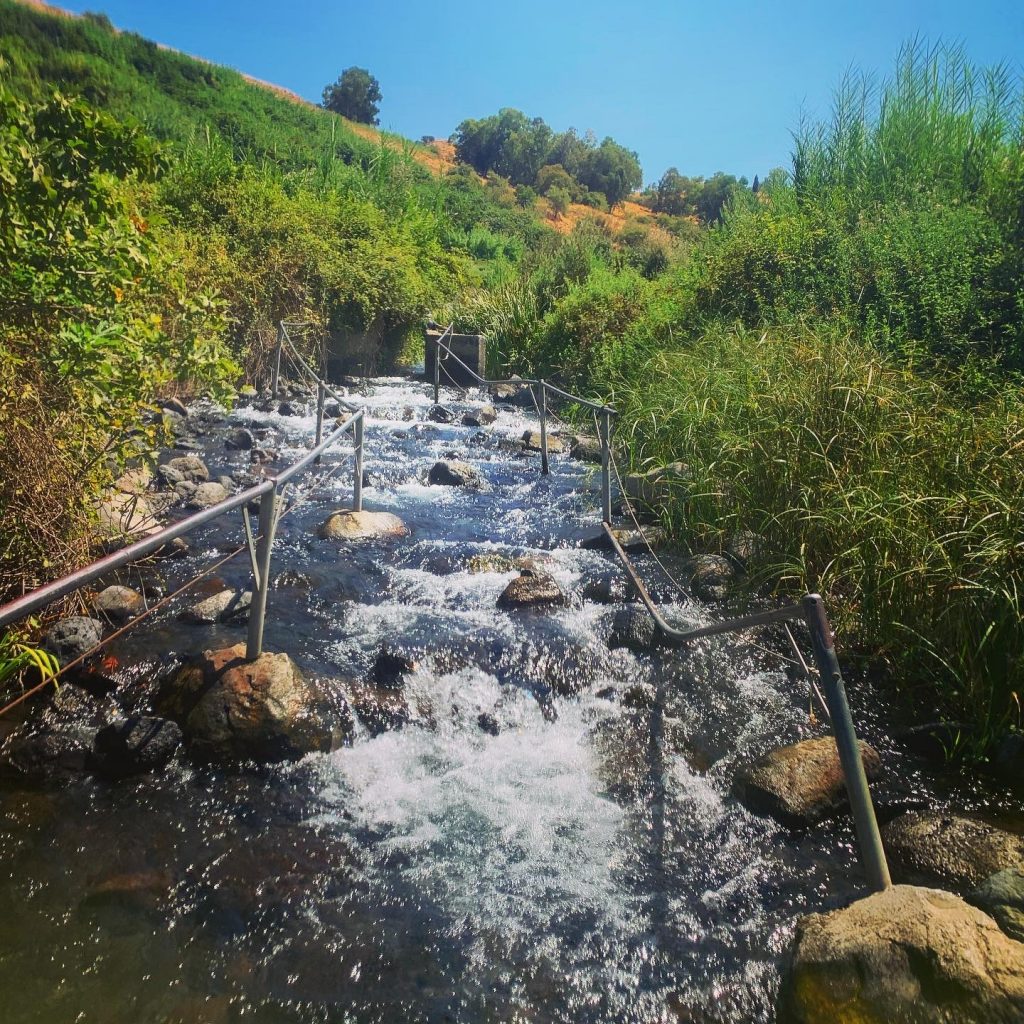
Some water did await though at the next stop, Ein Tina. This is a full-on water hike, wading through fast flowing water and clambering over stones in the river bed. It was very refreshing indeed and very popular with the locals (probably also because there is no entry fee!).
Bell Ofri
Feeling refreshed, I checked out a very interesting spot for lunch called Bell Ofri. It’s hard to describe…part farm, part winery, part ceramics workshop and more. The couple who run the place are lovely and served up a delicious homemade lunch while recounting their quite fascinating life story.
Tel Saki
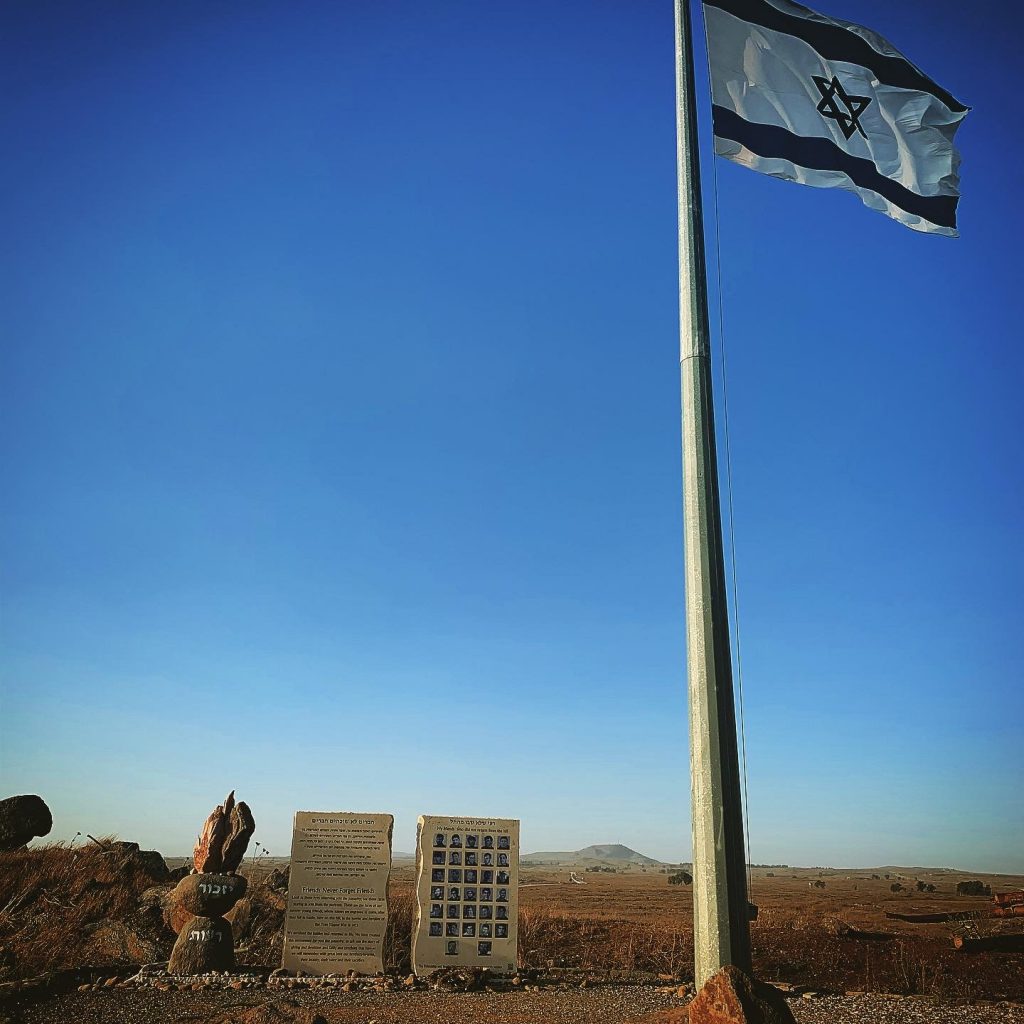
As a final stop for the day, I headed to Tel Saki. It seemed appropriate in the lead up to Yom Kippur, given that it was the location of a particularly vicious battle at the beginning of the 1973 Yom Kippur war. The site contains a moving memorial and a good view into Syria as it’s right next to the border.
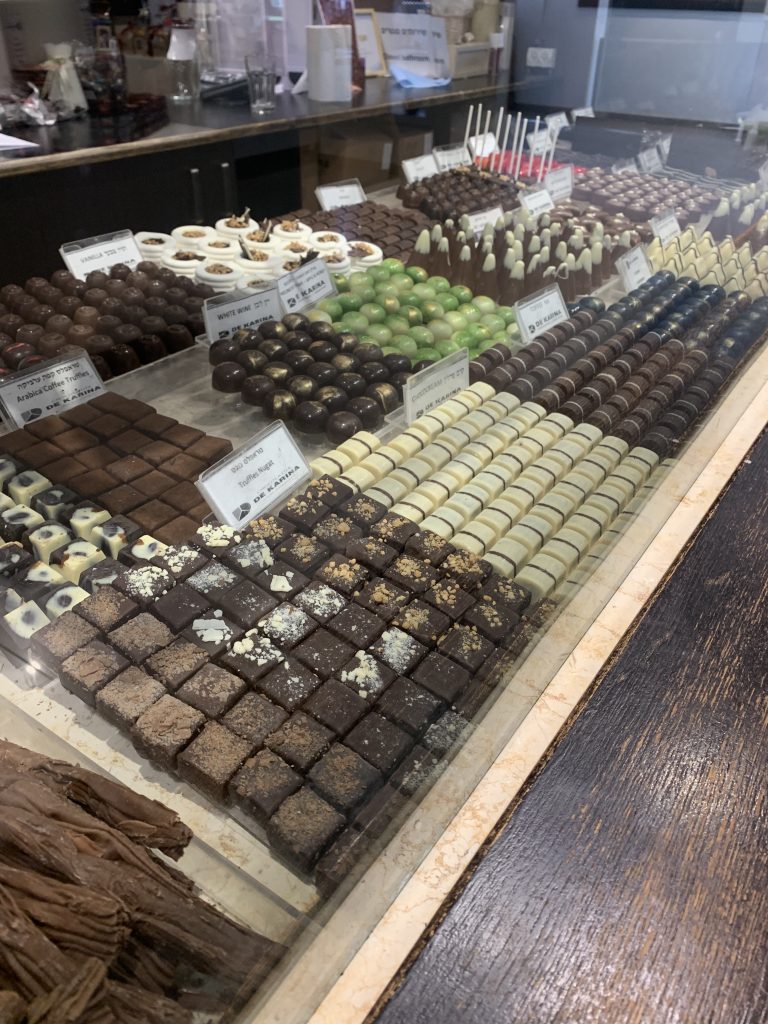
There was just time to stop at my old favourite, De Karina, for some chocolate to take home for the family. For dinner, I tried out a restaurant called Suzana. I was tempted to try their wagyu burger (kosher wagyu beef is something of a novelty) but when in the Golan…you need to go local, and their sirloin steak was truly excellent. A great way to end another great day.
Day Three: Reality Bites
I had another full day of adventure planned but woke up in the morning to a message from my daughter’s nursery that there had been a COVID case – Israeli law meant that the nursery had to close and all the kids had to isolate at home. The adventure had to be put on hold as I headed swiftly home to help out with the family…but I’ll be back – there’s still so much to explore and discover.


Leave a comment