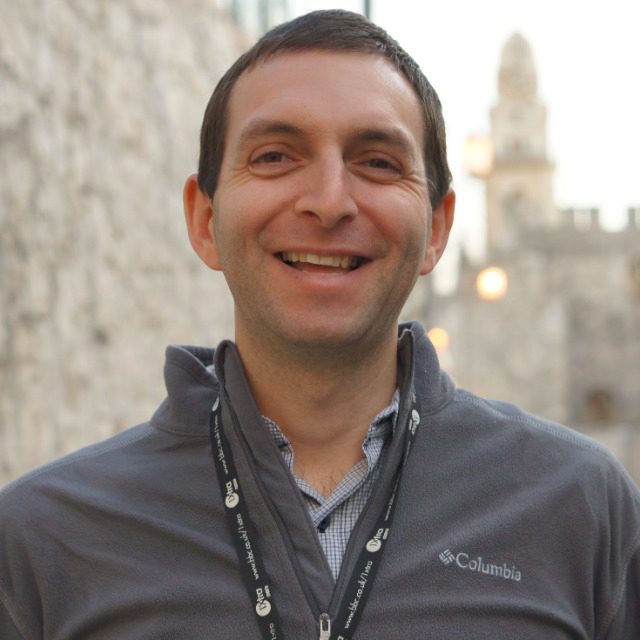
Every year I organise a weekend away up north for a group of families. This year we were 27 people, with children ranging from one to ten years old, and we based ourselves at Kibbutz Merom Golan in the northern Golan Heights.
It was early November, which is a very good time to go. The cranes had arrived in the Hula Valley, the apples and kiwis were ready for picking and there was hot water flowing into the reservoir next to the kibbutz.
Quick facts & guide tips
| Where | Kibbutz Merom Golan in the northern Golan Heights, with stops in Pardes Hanna, Gan Garoo and the Hula Valley on the way up |
|---|---|
| Getting there | About 2.5 hours’ drive from Tel Aviv and 2.5 to 3 hours from Jerusalem; it’s worth breaking the journey with a stop or two |
| Stayed | Merom Golan Resort, on the kibbutz itself |
| Best season | November for the cranes at the Agamon (many stay through the winter); around June for cherry picking |
| Good for | Families with young children (it also works well if you keep Shabbat) |
| Guide tip | Before you go to the hot water at Bental Reservoir, check the Telegram channel to see whether it’s flowing |
Breakfast in Pardes Hanna (and a cheeky sabich)
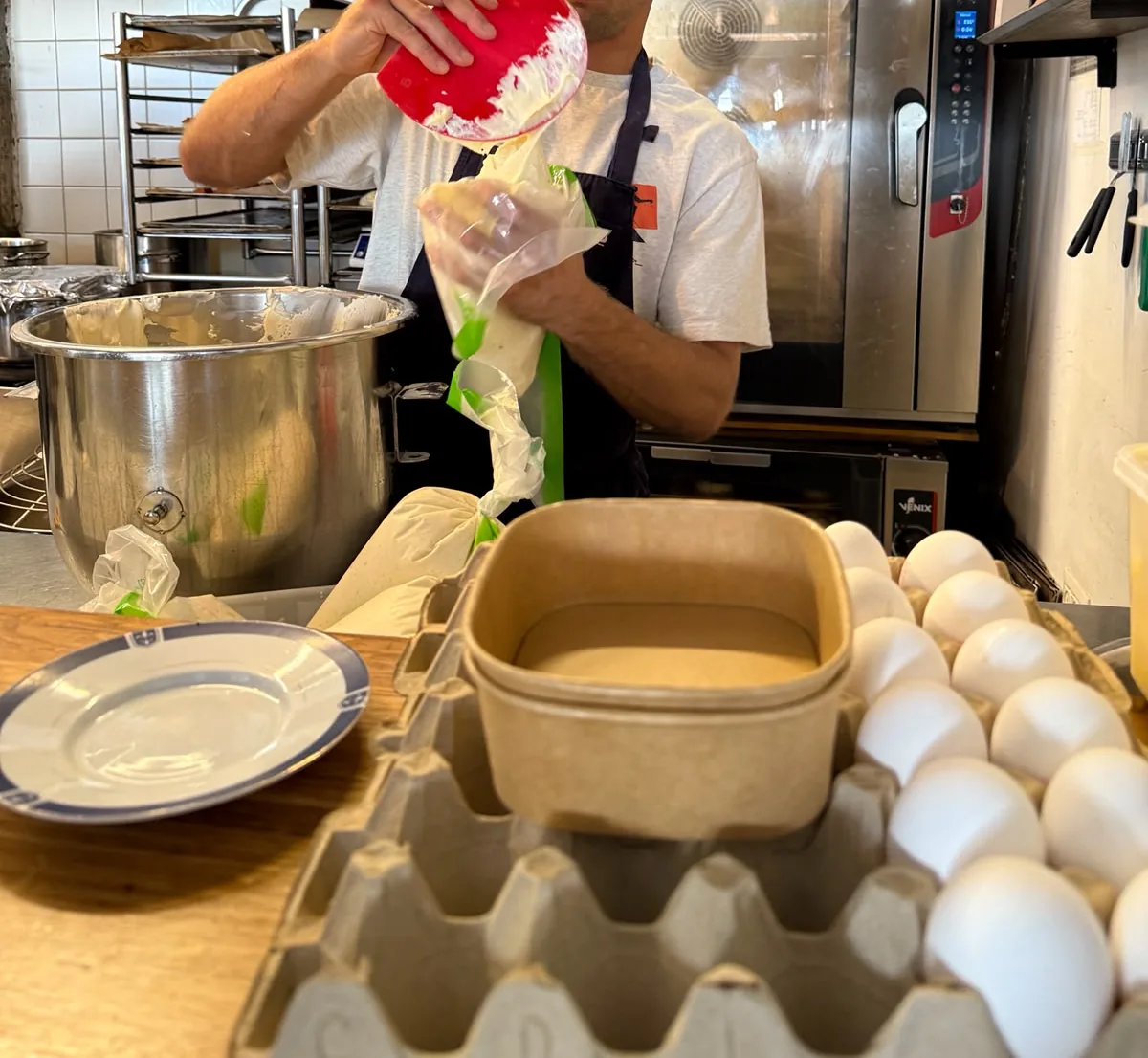
We started the day in Pardes Hanna, a laid-back town roughly halfway between Tel Aviv and Haifa, which was both on the way and a good spot for a food break.
Breakfast was at Lapeh (the name means “into the mouth”), the cafe opened by Daniel Kitsis, who a lot of Israelis know from the TV cooking show Game of Chefs. Pardes Hanna has turned into quite a food destination over the last few years and Lapeh is one of the places everyone talks about. Even on a regular weekday it’s very, very busy with quite a long queue, so be ready to wait.
In the morning they serve sandwiches and pastries and everyone gets excited about the egg salad sandwich on challah bread, although everything looked pretty good. At 11 the menu switches over to salads for lunch.
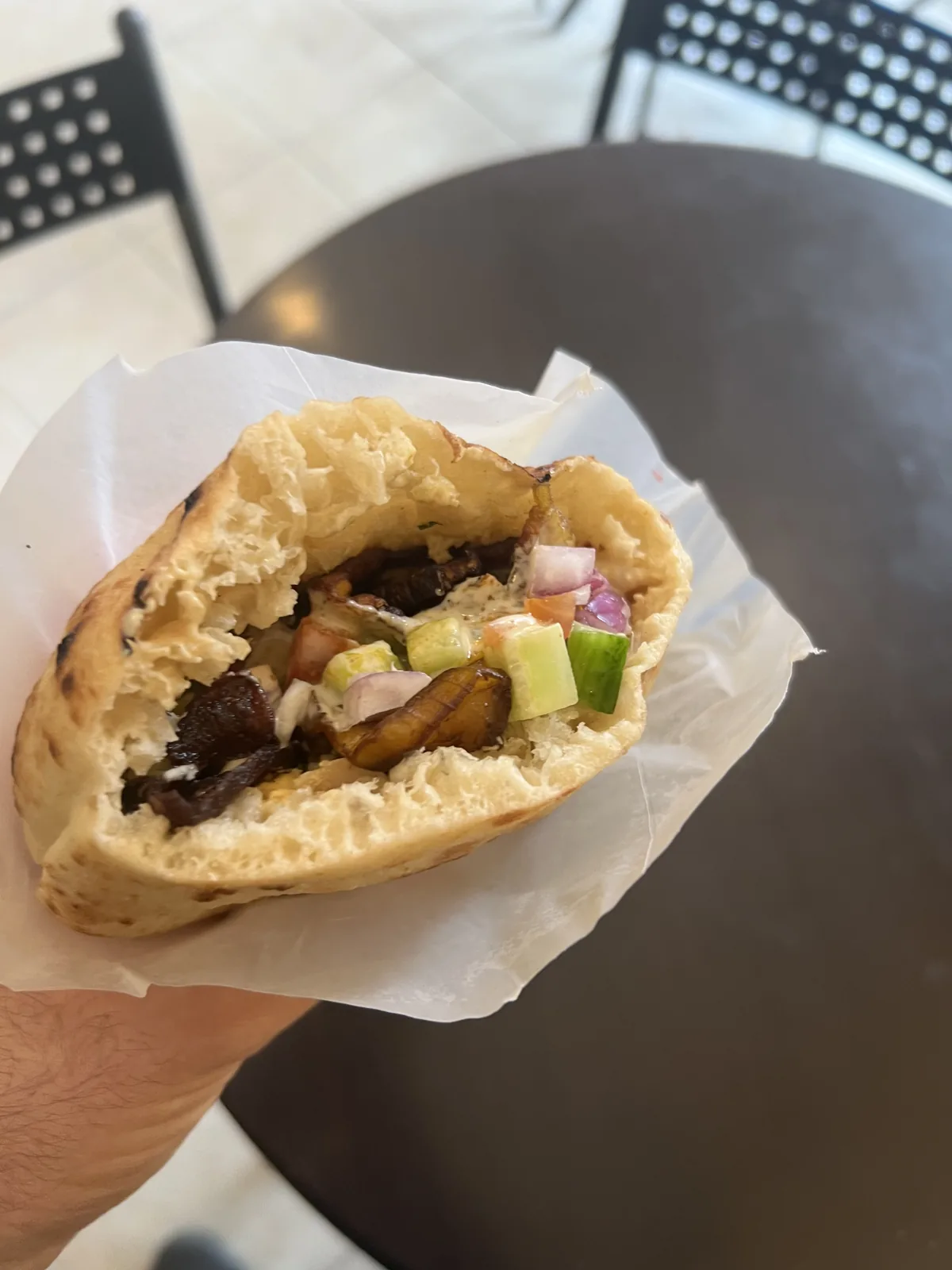
It was a spot that the families wanted to stop at, but I’m not a huge fan of queuing a long time for food, so with permission, I snuck off for a sabich at Oren’s Sabich, which also offers free hugs (!).
If you haven’t come across it, sabich is a pitta stuffed with fried aubergine, hard-boiled egg, chopped salad, tahini and amba (a tangy mango pickle). It’s one of the few foods that’s genuinely Israeli. The ingredients come from the Shabbat breakfast of Iraqi Jews: aubergine fried the day before and eggs cooked slowly overnight, served separately on a plate. In 1961 Sabich Tzvi Halabi, who’d come to Israel from Baghdad, opened a kiosk in Ramat Gan. The bus drivers finishing their shifts at the last stop of the 63 line wanted something filling, so he put it all into a pitta, and it took off from there.
The name most likely comes from Halabi himself. Israelis will also tell you it’s an acronym for salat, beitza, yoter hatzil (salad, egg, more aubergine); not a bad description, but it was made up afterwards! His family and his partner’s family still run the stand in Ramat Gan, and in 2020 the city named the junction Sabich Square.
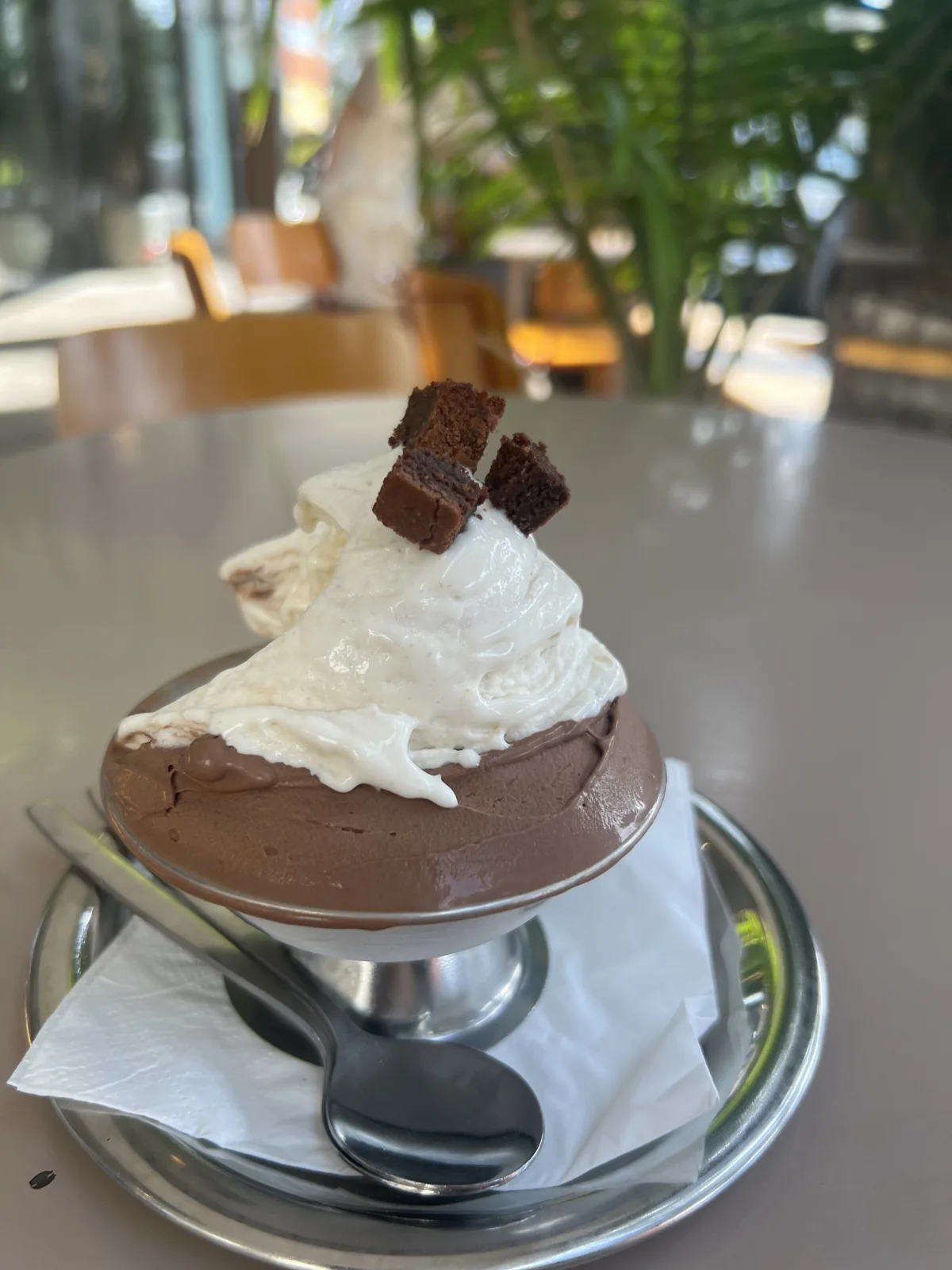
Then we all had ice cream at Shamna, just around the corner from the sabich. It only opened in 2025 and it’s already got quite the reputation; one food critic even said it was the best ice cream she’d tasted in Israel. I personally wouldn’t drive all the way to Pardes Hanna just for the ice cream, but if you’re in the area it’s definitely worth a try.
It’s run by Yair Rot and Liad Shmueli, who spent years making gelato for restaurants and delis before opening their own shop. The ice cream is made fresh every day in an open kitchen, from local ingredients that come straight from the farmers and small producers they’ve worked with for years.
The flavours are pretty fun and change with the seasons. They’ve included labneh with olive oil and za’atar, corn and popcorn, carrot cake and citrus with chilli, together with more traditional ice cream flavours.
The staff are happy to let you taste before you choose (they let me try a lot of them). I’d say it’s more of a grown-up ice cream spot, though. Some of the flavours will appeal to children, but plenty of them won’t. Nothing is disposable: you get a metal spoon and a steel cup that’s been chilled in the fridge so the ice cream doesn’t melt.
Kangaroos, parrots and thousands of cranes
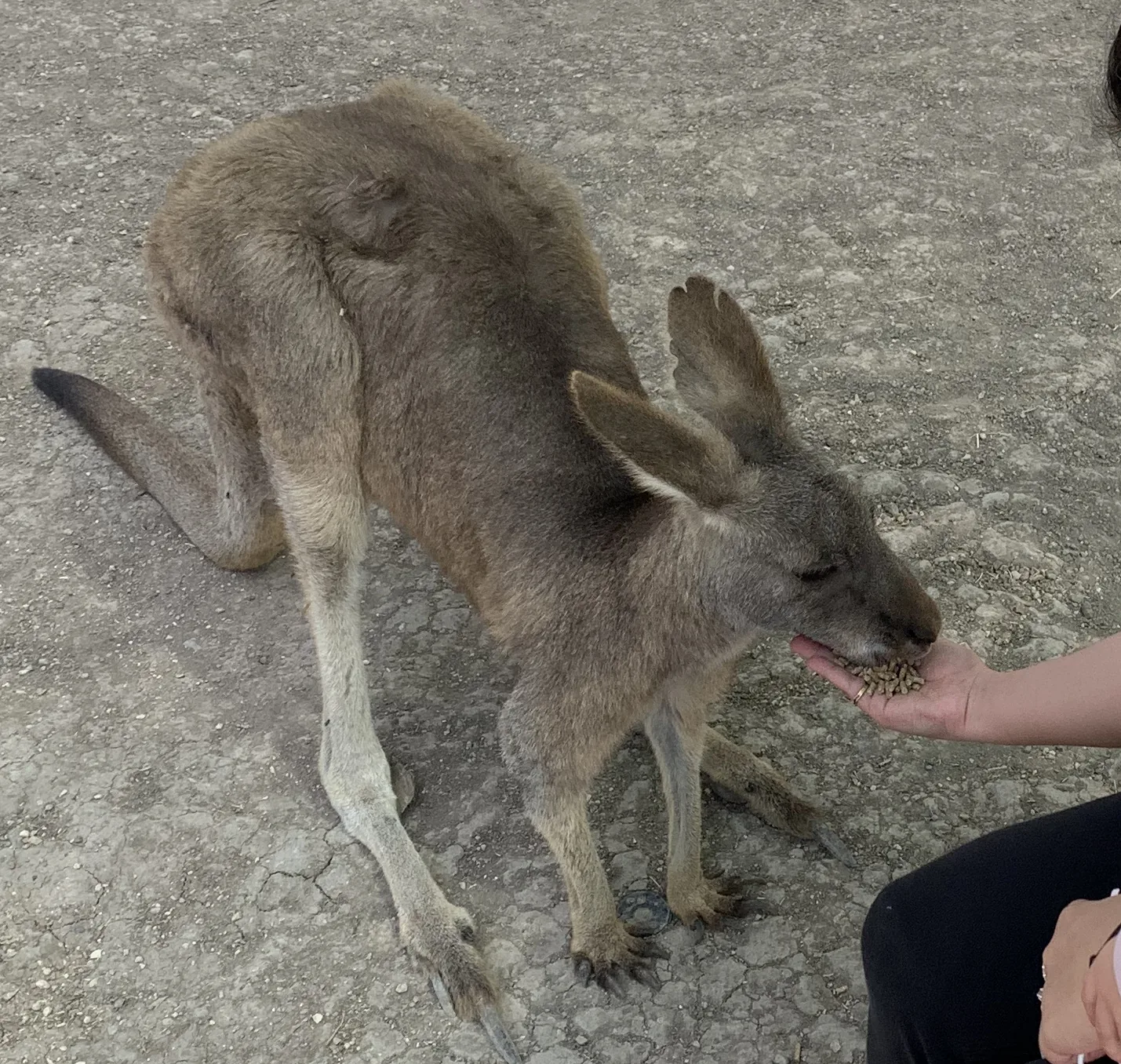
Our next stop was Gan Garoo, an Australian animal park run by Kibbutz Nir David, near Beit She’an. It sits right next to Gan HaShlosha (Sachne), in the area I’ve written about before as the Valley of Springs.
Gan Garoo opened in the summer of 1996 and turned 30 this year. The idea came from Yehuda Gat, a member of Nir David, who was asked in the early 1990s to come up with a tourist attraction that mixed nature and education. The first plan was a park based on Winnie-the-Pooh. When that was dropped, someone suggested bringing kangaroos to Israel, so Gat got in touch with zoos in Australia and went to learn how to look after them. These days around 150,000 people visit a year.
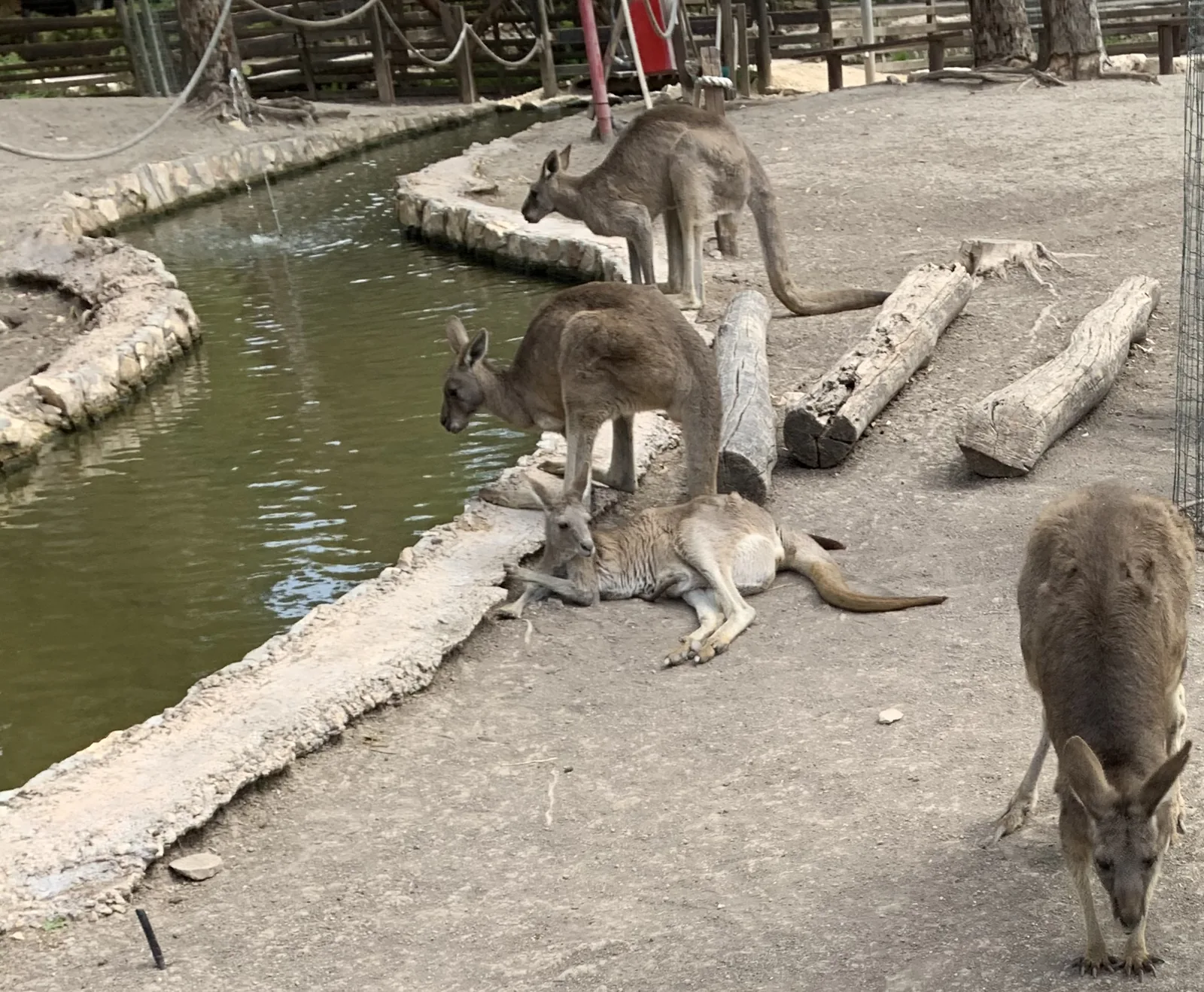
What children love about it is how close they get. The kangaroos roam free and you can feed them from your hand.
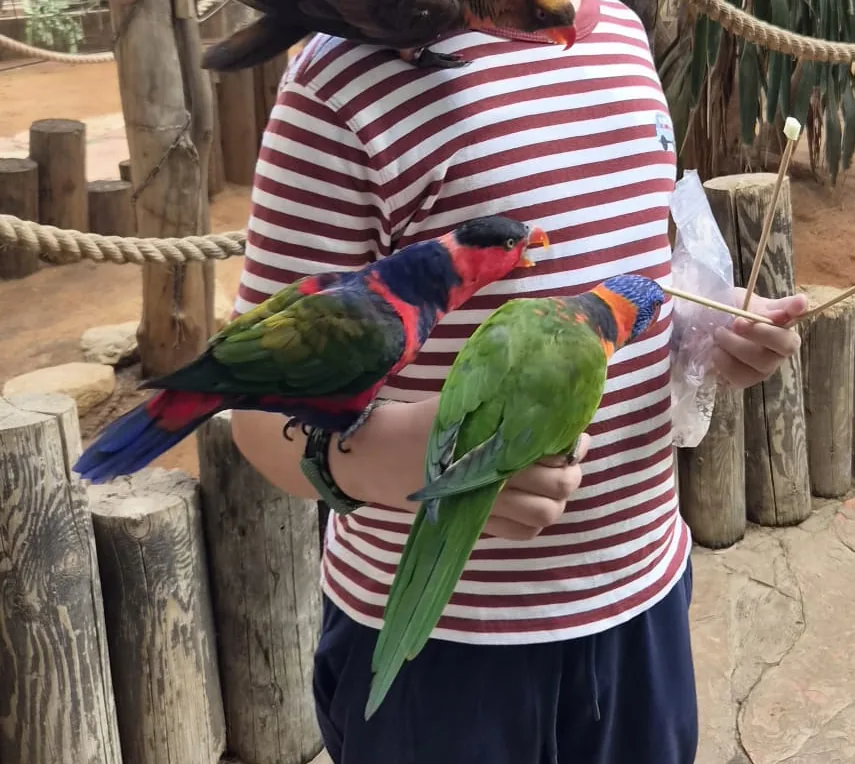
In the lorikeet aviary the parrots land on your arm to feed.
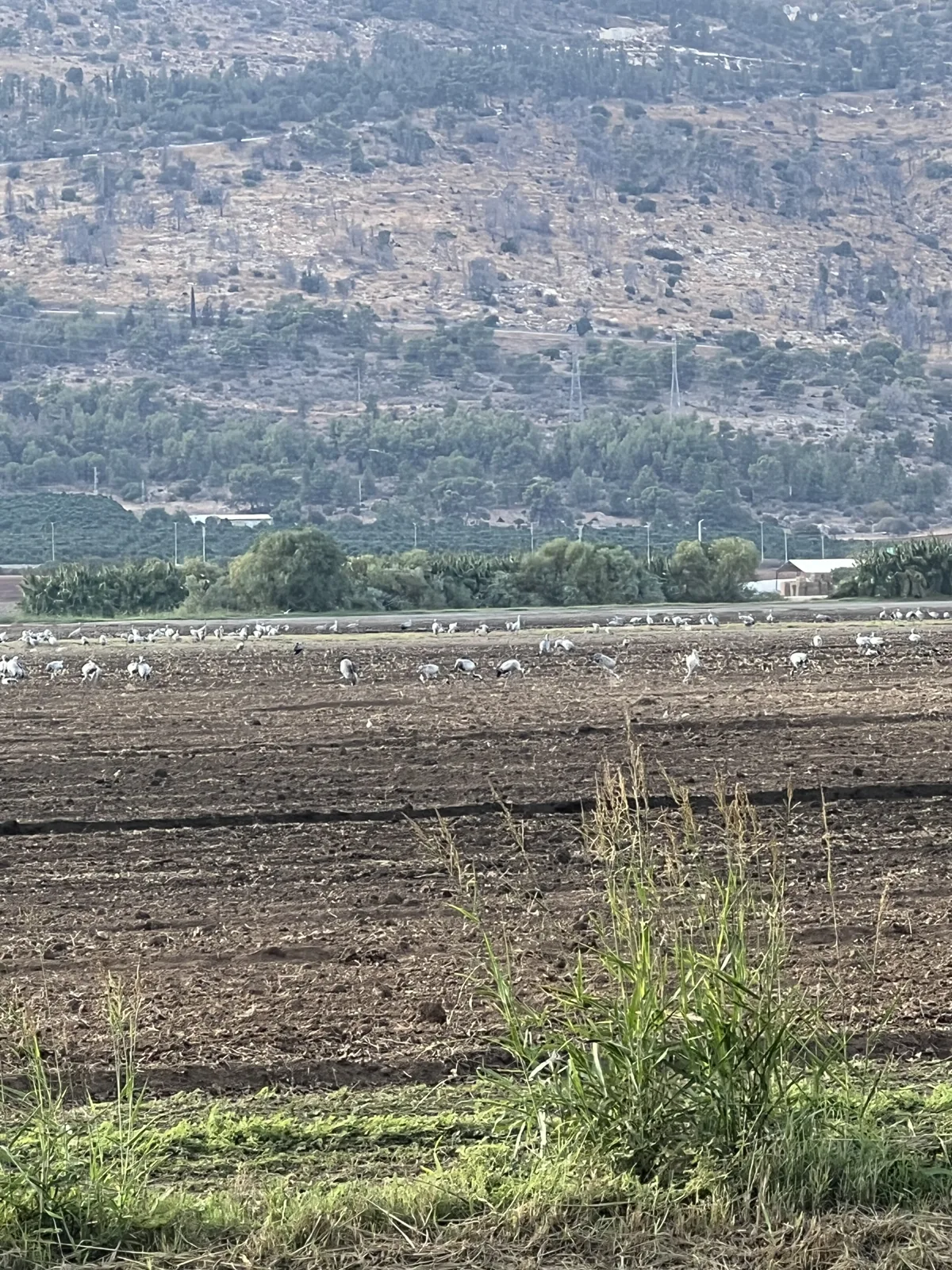
From there we drove north to the Agamon HaHula, the lake and park in the middle of the Hula Valley.
Autumn is the best time to go. The Hula sits on one of the main bird migration routes between Europe and Africa, and according to KKL-JNF, who run the park, around 35,000 cranes arrive at this time of year, with about 15,000 of them staying for the winter. I’ve written before about migration in the Hula.
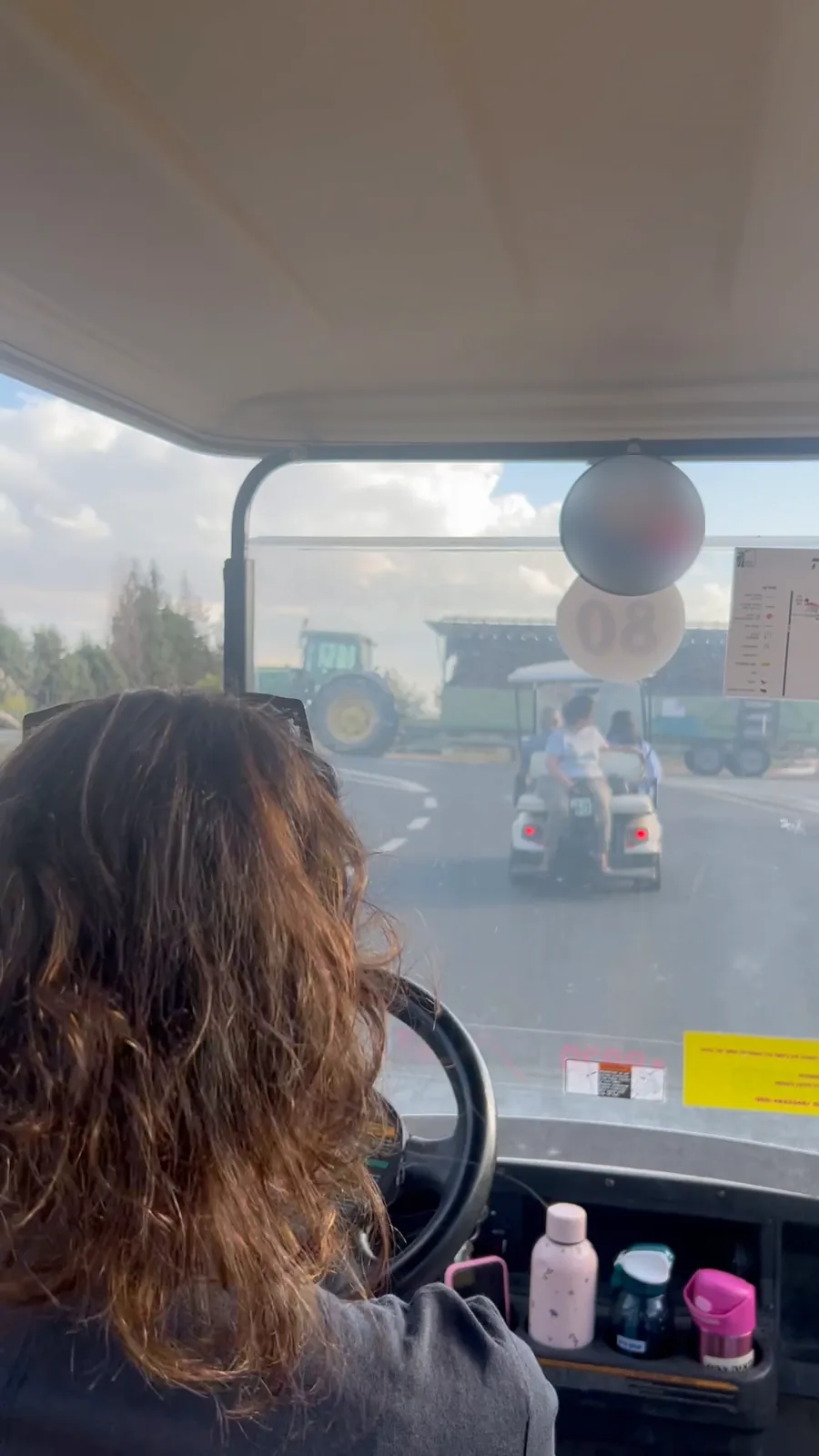
We rented golf carts from the visitors’ centre and drove slowly round the lake, stopping to watch the flocks feeding in the fields and flying overhead. The children loved it.
A few practical things about the golf carts. They come in two sizes, for up to four people or up to six, and you rent them for an hour and a half (when we went it was 200 shekels for the smaller one and 261 for the bigger one).
The driver has to be 18 or over, with at least two years’ driving experience, and you leave your licence at the desk while you’re out. Babies under one have to be in a carrier. It’s better to book ahead, though midweek you often don’t need to.
Staying at the Merom Golan Resort
Kibbutz Merom Golan was founded in the summer of 1967, making it the first Israeli community on the Golan Heights; we stayed in its hotel.
I often stay there with people I’m guiding. It’s a convenient location for quite a few sites in the area and has a great restaurant attached.
This group has been there a few times; they like it as most of the rooms are mini suites, with a room for the parents and a separate room for the children. If you stay in one of the cabins or studios you also get a little kitchenette, which is very helpful with young children.
Israelis particularly enjoy it because it feels a bit like being abroad. The vibe and the layout are different and the weather is cooler. In January 2015 the kibbutz recorded −14.2°C, the lowest temperature ever measured at an Israeli weather station.
Dinner, a film night and Golan wine
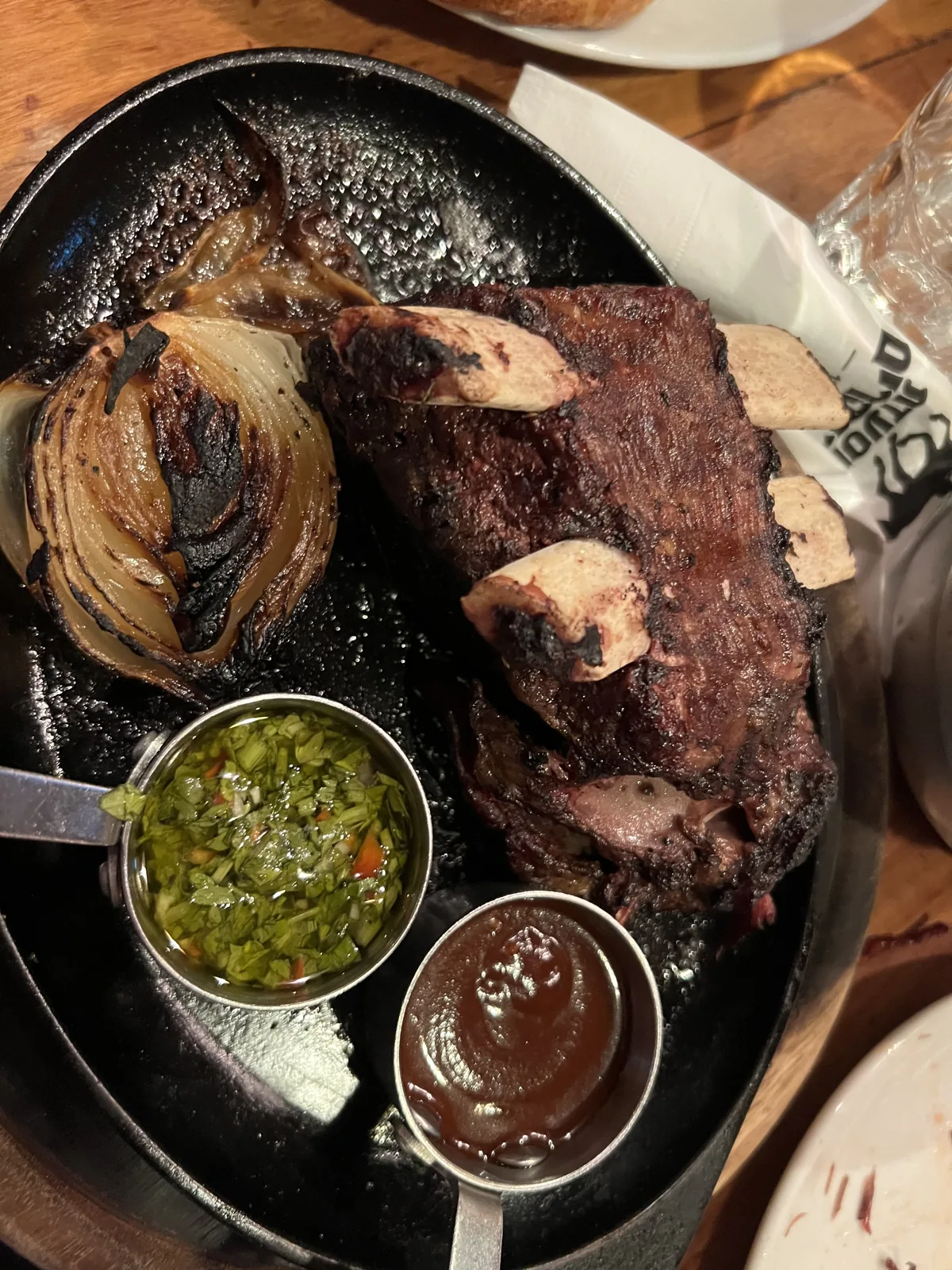
Dinner on the first night was at HaBokrim, the kibbutz’s steak restaurant and one of my favourite steak houses.
HaBokrim means “the cowboys”. It comes from the fact that when the kibbutz was founded in 1967, its first members spent their time rounding up the cattle that had been left behind on the Golan.
The restaurant is kosher; the meat comes from herds raised on the Golan and is aged and smoked in the restaurant, and there are local Golan beers and wines to go with it. There are also vegetarian and vegan dishes and children’s meals.
I often take groups there because the food is really tasty, and they’re very good with children. With this many kids at the table, they got the children’s food out quickly, which makes all the difference.
Later that evening there was a film night for the children and, in the room next door, a wine tasting for the grown-ups with wines from local Golan wineries.
Orchards, a Circassian village and the view into Syria
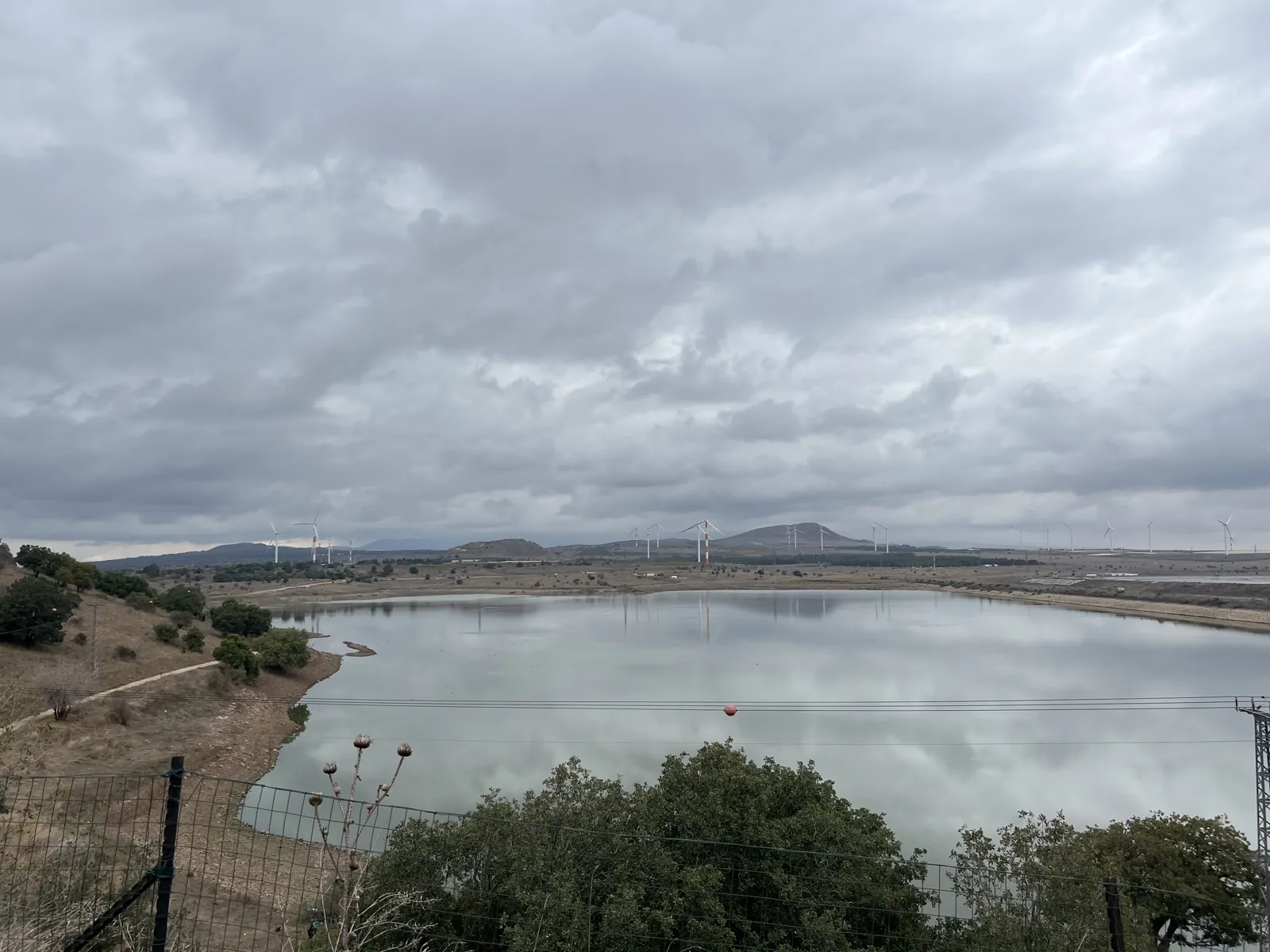
On Friday morning we toured the area with a member of the kibbutz. We started at a viewpoint over the local reservoir, with the wind turbines on the hills beyond.
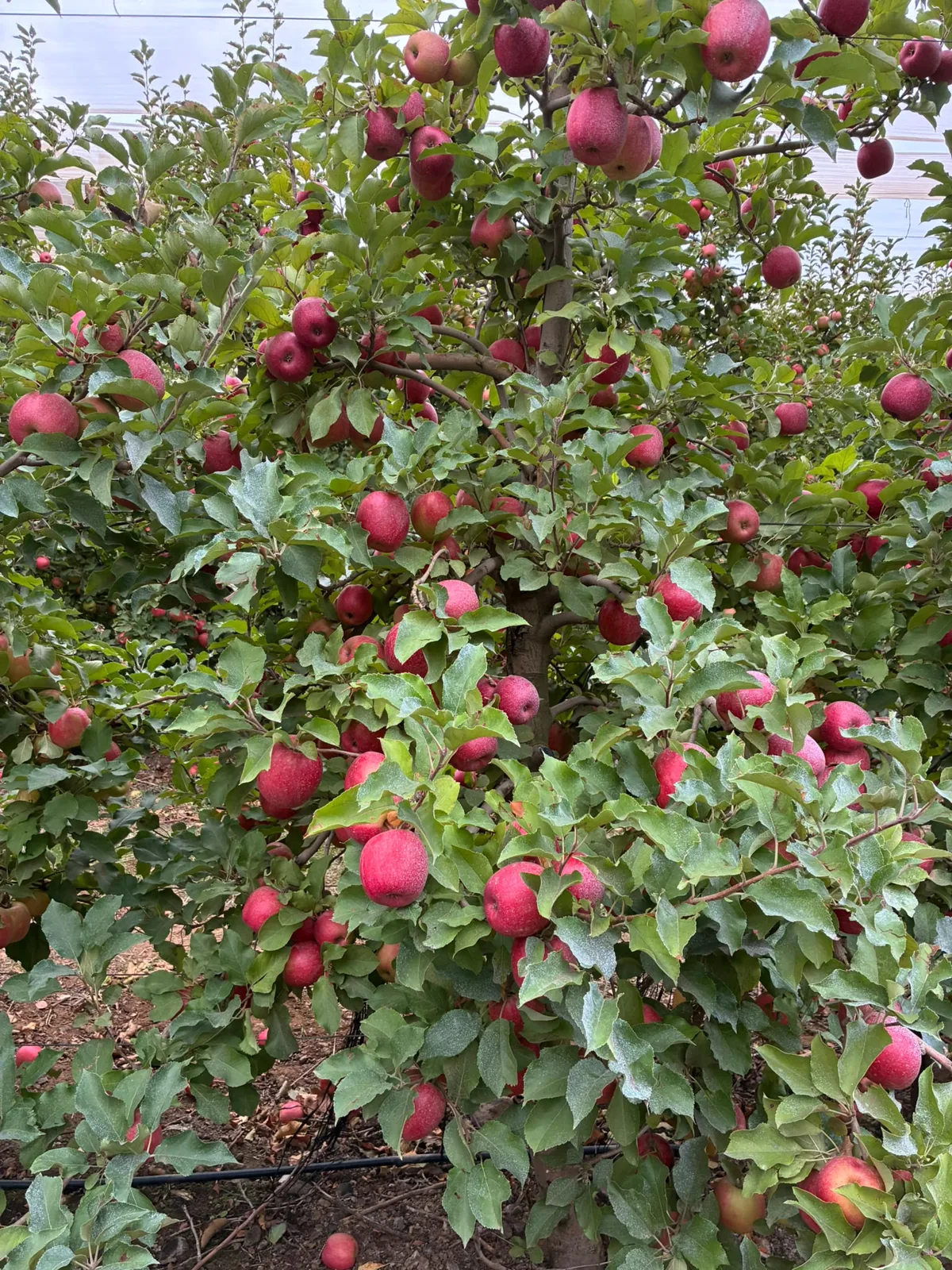
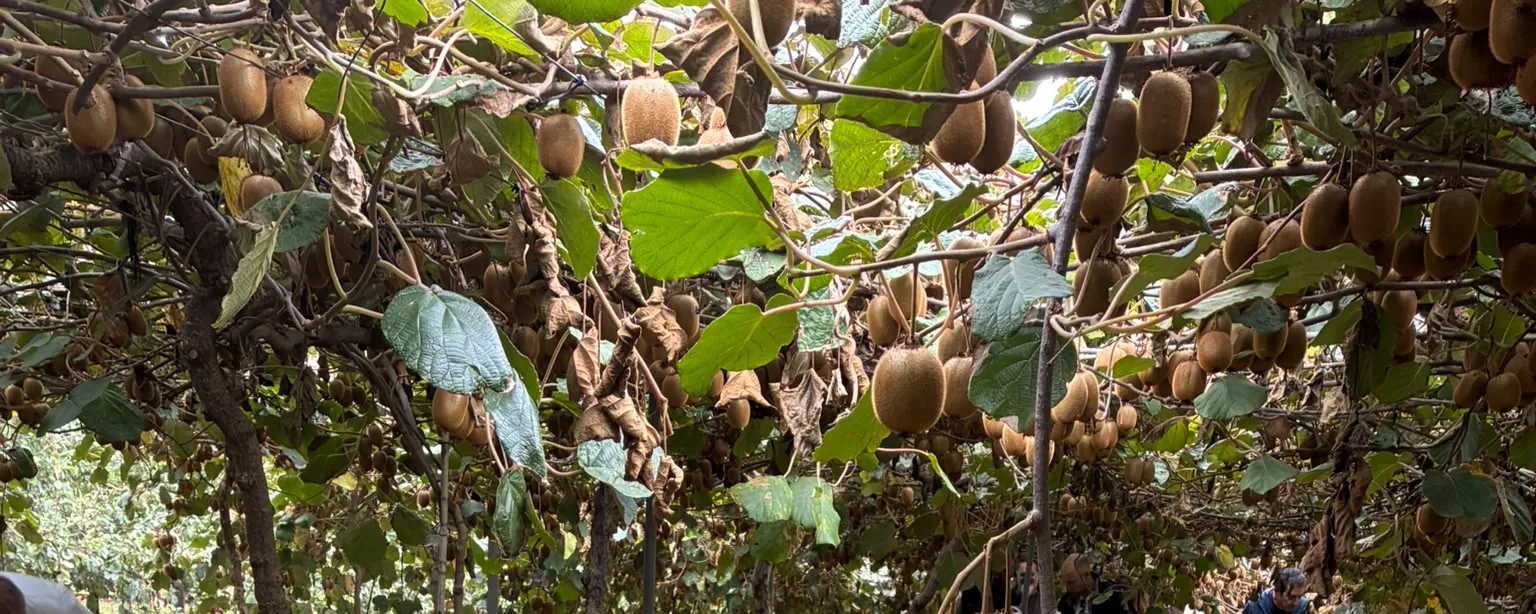
Then we went into the orchards, which for the children were one of the highlights of the weekend. Apples and kiwis were both ready, and as part of the tour our guide showed the children which kiwis they were allowed to pick. (You can’t just turn up and pick; it’s a working orchard.)
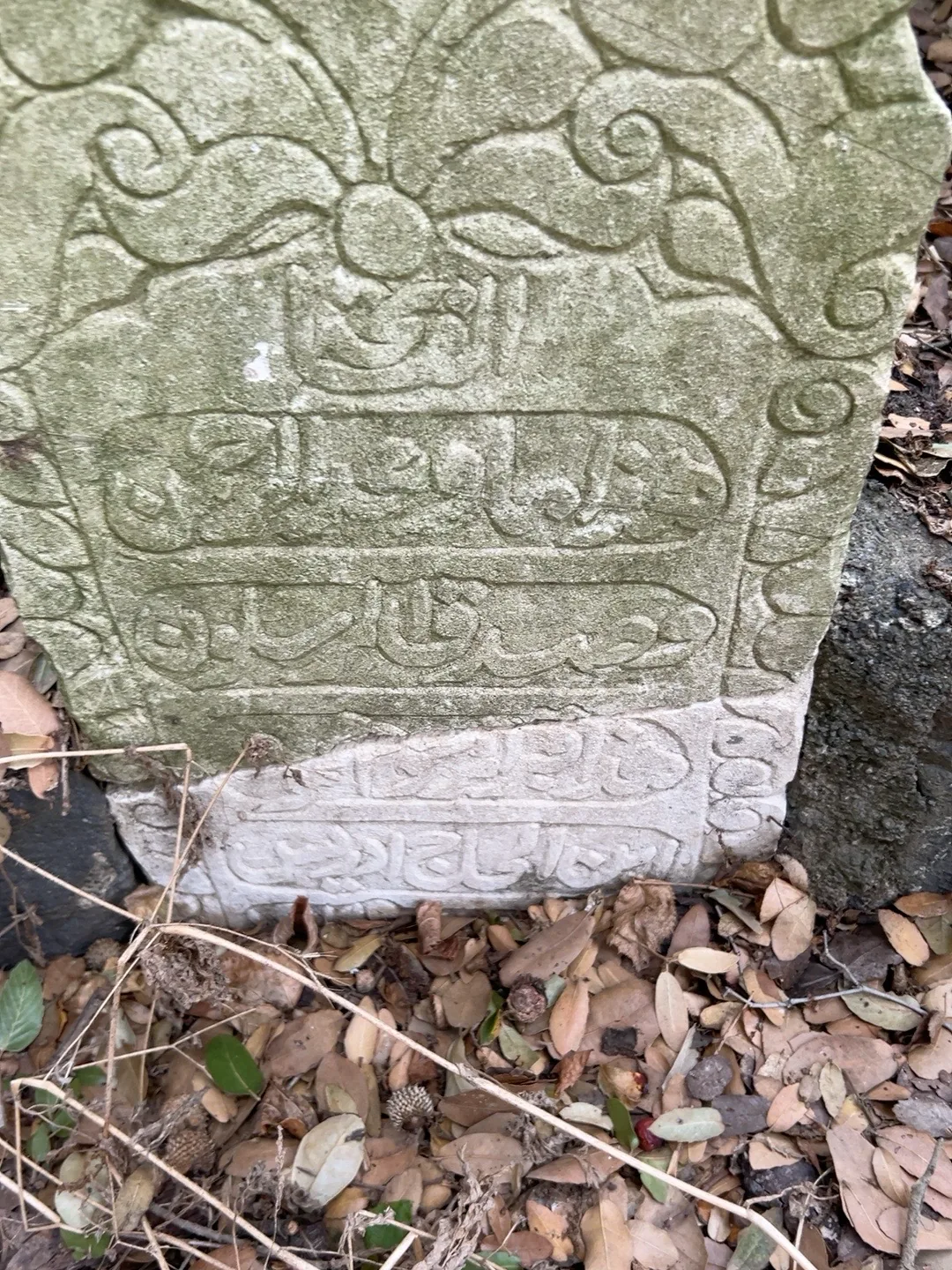
Near the orchards is the cemetery of Mansoura, a Circassian village that stood here until 1967. The Circassians are a Muslim people from the Caucasus, and in the late 1800s the Ottomans settled many of them on the Golan. Before 1967 there were eleven Circassian villages here, plus the town of Quneitra. The population of Mansoura fled during and shortly after the Six Day War, but the gravestones are still there among the trees.
Israel still has two Circassian villages, both in the Galilee; I visited one of them, Rehaniya, on my tour guide course.
Our last stop was the Quneitra viewpoint, which looks across the border to the ruined Syrian town of Quneitra. Since 1974 it’s been inside the UN buffer zone between Israel and Syria. We talked about the battles with Syria over the years and what’s going on there at the moment. The Syrian border is also part of my tale of three borders day.
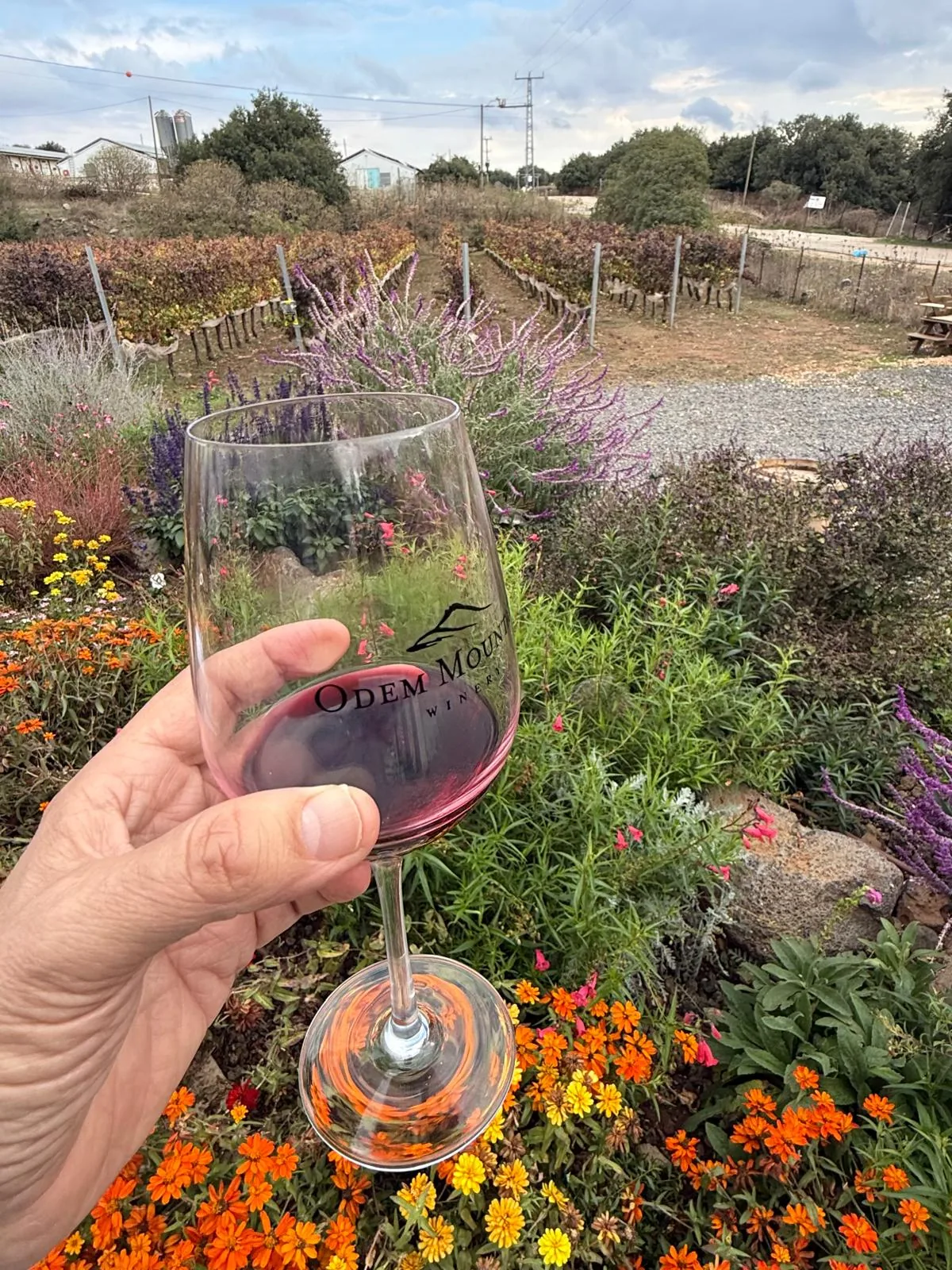
Lunch was at the Har Odem winery at Moshav Odem, a little further north. It’s a family boutique winery started in 2003 by Idit and Michael Alfasi, and it’s the northernmost and highest winery in Israel. In 2018 it was named best boutique winery at the Terra Vino competition.
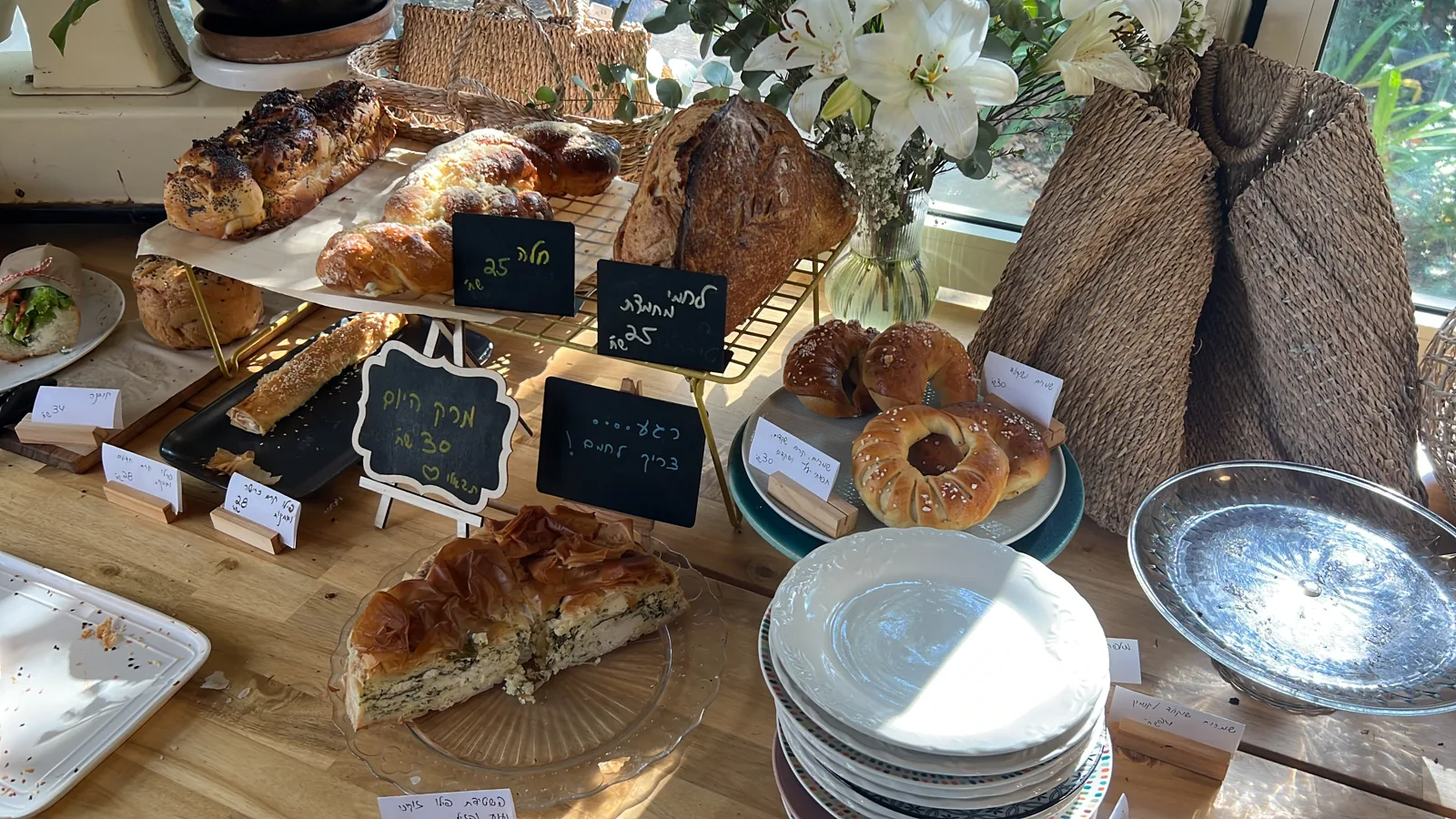
I also popped into BaMirpeset (“on the balcony”), a cafe run out of a home in Merom Golan. The owner is lovely and makes everything herself, and I picked up a few things for Shabbat.
Hot water at Bental Reservoir
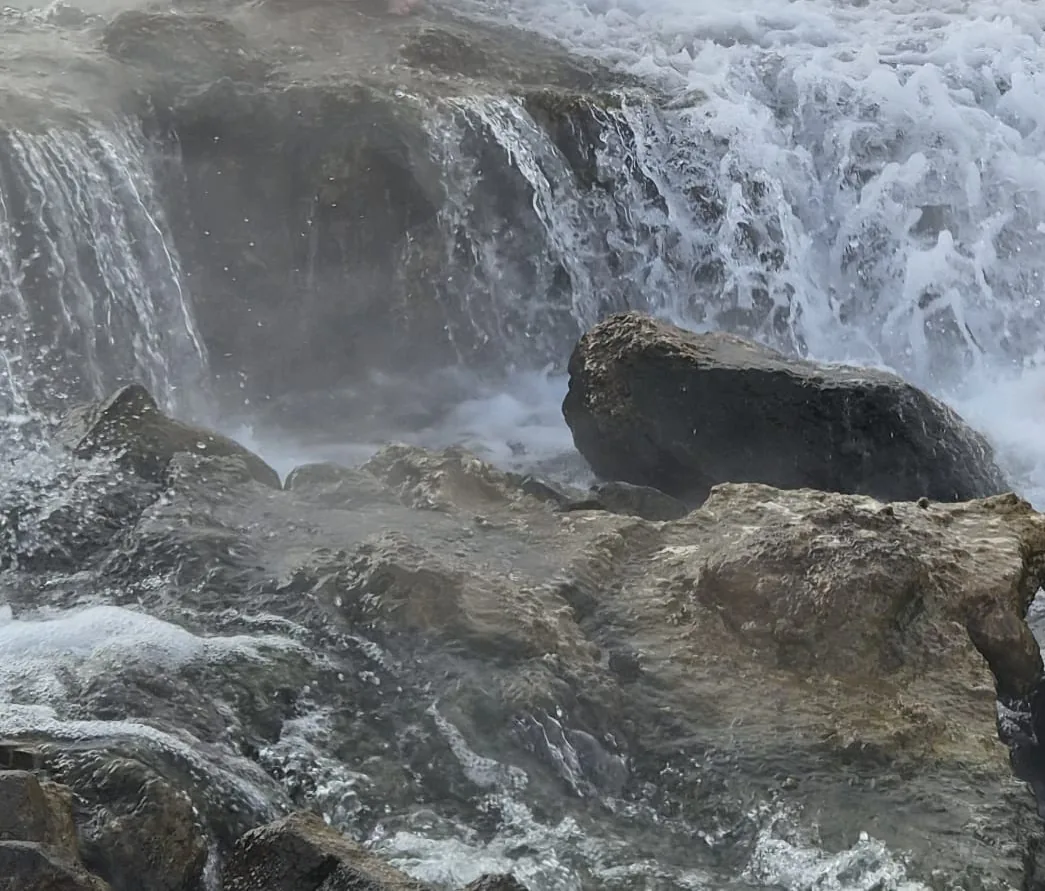
After lunch, some of the families went into the hot water at Bental Reservoir, right next to the kibbutz. It was a great contrast to the crisp autumn weather.
Merom Golan sits in the crater of Mount Bental, an old volcano; in fact the whole of the Golan Heights was formed by volcanic activity. The hot water itself comes from further away, though. It’s natural hot groundwater, pumped up from boreholes near Kibbutz Shamir for the local farmers, and our guide told us it only comes into the reservoir when there’s overflow.
So it doesn’t flow all the time, and nobody knows when it will (!) There’s a Telegram channel, “Mayim Chamim BaGolan UvaEmek Idkunim” (hot water in the Golan and the valley: updates), where people post when the water is on.
A word of caution: officially it’s private land and the Golan Regional Council says going into the water isn’t allowed. Plenty of locals still go in when it’s flowing, but as a licensed guide I can’t officially endorse it.
If you do go in, be careful. There’s no lifeguard and the water can be very hot, so test it before you get in and stay out of the direct stream. If you have young children with you, keep a close eye on them.
Shabbat on the kibbutz
This was a group of families who keep Shabbat, so on Friday night we had dinner together in the hotel dining room. (If you want to know how Shabbat works on a trip, I’ve written about Shabbat in Israel separately.)
A few things worth knowing if you keep Shabbat. The hotel offers late checkout on Shabbat for a small extra fee, which is useful if you can’t leave until Shabbat goes out. On Saturday it only serves breakfast; there’s no lunch. You can order takeaway from the kibbutz dining room on Friday to eat on Saturday, but you’ll need to bring your own way of heating it (a Shabbat hot plate, for example) or eat it cold.
Everyone picked up food from the supermarket on the kibbutz or from BaMirpeset, and that got us through the day.
On Saturday morning, after breakfast, a member of the kibbutz took us on a walking tour. He told us the story of the kibbutz and stopped at some of the plants along the way to explain how they grow and what they can be used for. After that people went to the pool or just relaxed and played games.
In November Shabbat goes out early, so we finished the weekend with dinner at La Pizza’le, the kibbutz pizza bar, which is really good. They’re very proud that they let their dough rise for 72 hours before cooking and they have some pretty interesting topping options. On Saturdays it opens an hour after Shabbat goes out.
After dinner, everyone went their separate ways.
For the children, I think the best part was simply being together: the orchards, the birds and the animals were the real highlights.
Planning a weekend like this
If you’d like to do something similar, I put together weekends like this for families and groups: the hotel if you need it, the transport and the guiding. This time everyone drove up in their own cars, but I can also arrange a minibus or coach.
Merom Golan is about two and a half hours’ drive from Tel Aviv and two and a half to three hours from Jerusalem, so I’d recommend stopping along the way, like we did in Pardes Hanna and at Gan Garoo.
Just get in touch with as much information as you can about your group and I’ll take it from there.


Leave a comment