
Israel votes on Tuesday 27 October 2026, and if you’re visiting around then you’ll definitely notice it. Campaign stands appear at junctions and outside shopping centres, stickers go up on car windows, and the arguments you overhear in cafés get livelier than usual.
For a visitor, though, the day is mostly good news. Almost everything you’d want to see stays open, and the roads are quieter than a normal Tuesday.
Quick facts & guide tips
| When | Tuesday 27 October 2026. Polls open 07:00 and close 22:00 (08:00 to 20:00 in small communities, hospitals and prisons). |
|---|---|
| What it is | A national election for the Knesset, Israel’s parliament, and a paid day off for most employees. |
| What closes | Workplaces, for most people (it’s a paid day off). Tourist sites, restaurants, shops and public transport carry on. |
| Getting around | Quieter roads at the usual rush hours; intercity buses and trains are free for everyone, to help people get home to vote. |
| Guide tip | A good touring day, with one catch: national parks and museums fill up, because everyone else has the day off too. |
How the day works
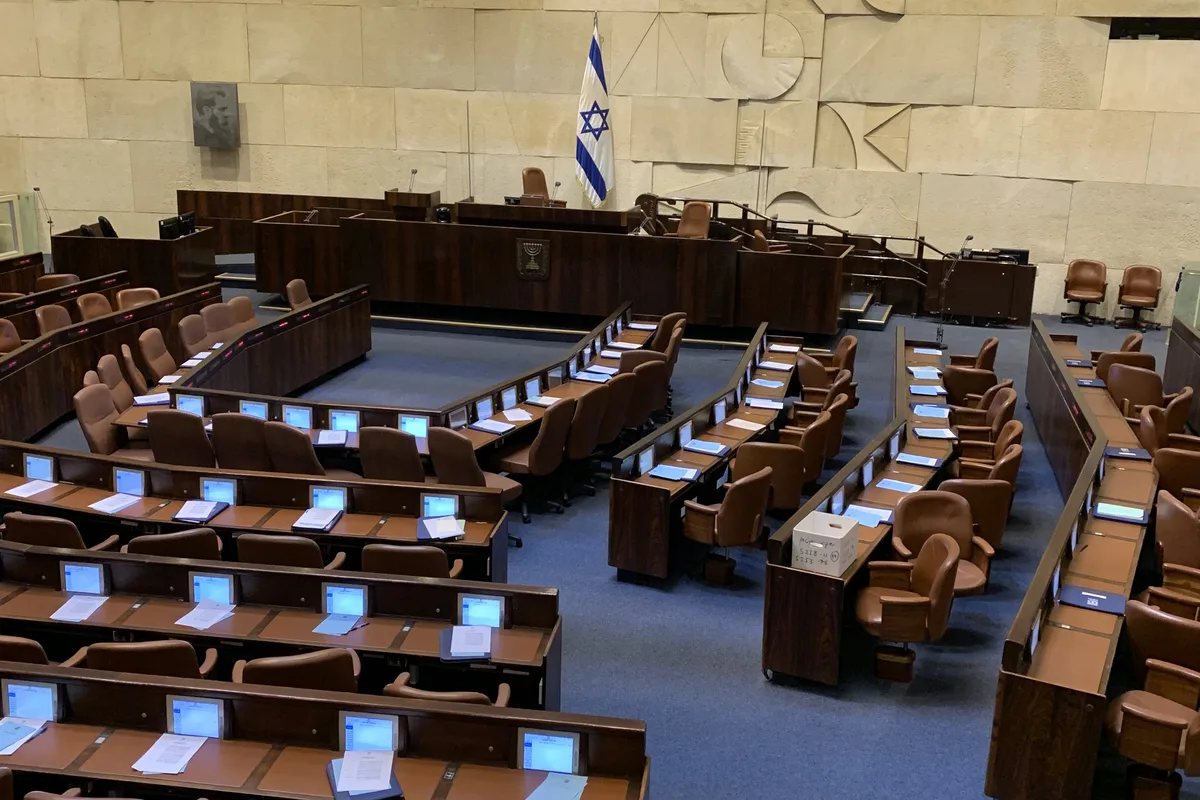
Election day here is a paid day off for most of the workforce. Israel was founded on the principle of trying to be as democratic as possible (hence our slightly dysfunctional proportional representation voting system). Giving people time off is a way of making it easy to vote, and it works: polling stations are set up in schools and community centres, and voting itself takes a few minutes. Then the rest of the day becomes a day off in celebration of democracy.
Voting itself is remarkably low-tech. You take a small envelope, go behind a screen with a tray of paper slips (one per party, each marked with the party’s letters in large print and its name underneath), put your chosen slip in the envelope and drop it in a ballot box. No machines, no touchscreens, and usually no candidate names on the ballot at all. The letters are there to make it easier for people who don’t read Hebrew well to vote (this is a country built out of immigrants).
Something that visitors from English-speaking countries like the UK, US, Canada or Australia find unusual is that you aren’t voting for a person or a local representative; you’re voting for a party list, and the seats in the Knesset are shared out in proportion to the votes. It’s why we end up with coalitions, and why forming a government takes weeks of negotiation after the votes are counted. Official results are confirmed about a week later (this time on 4 November), though you’ll have a good idea from the exit polls on the night.
What it means for your day
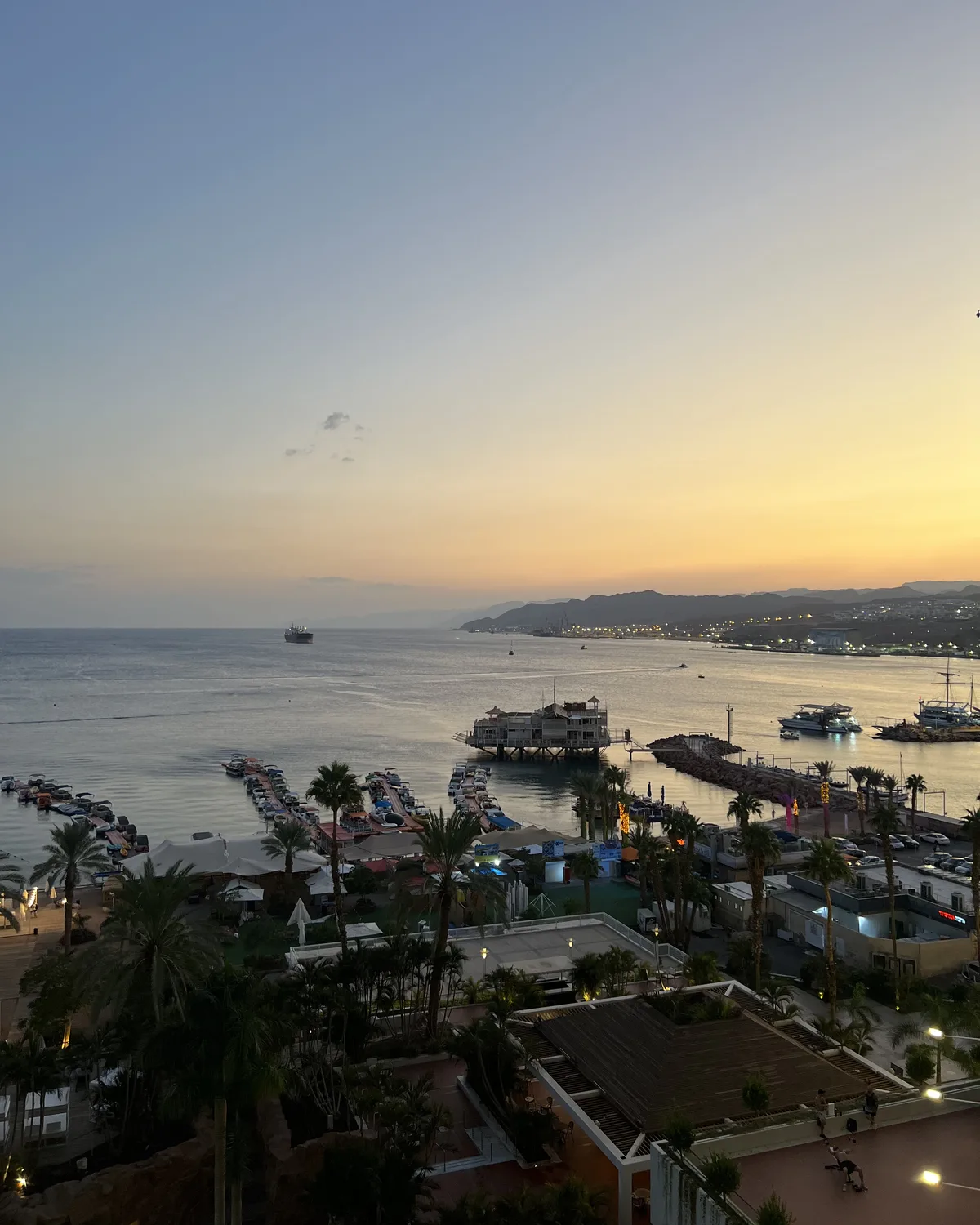
Sites relevant to tourists are open, as are most cafés and shops, and public transport runs. Rush hour barely happens, because most people aren’t going to work. What fills up instead are the places people go when they have a free day: national parks, museums and the beaches. On the 2019 election day around 150,000 people were in national parks and nature reserves by midday, with Caesarea, Masada, Beit Guvrin, Banias, Ein Gedi and Tel Dan the busiest; the coastal road up to Hadera was solid with traffic.
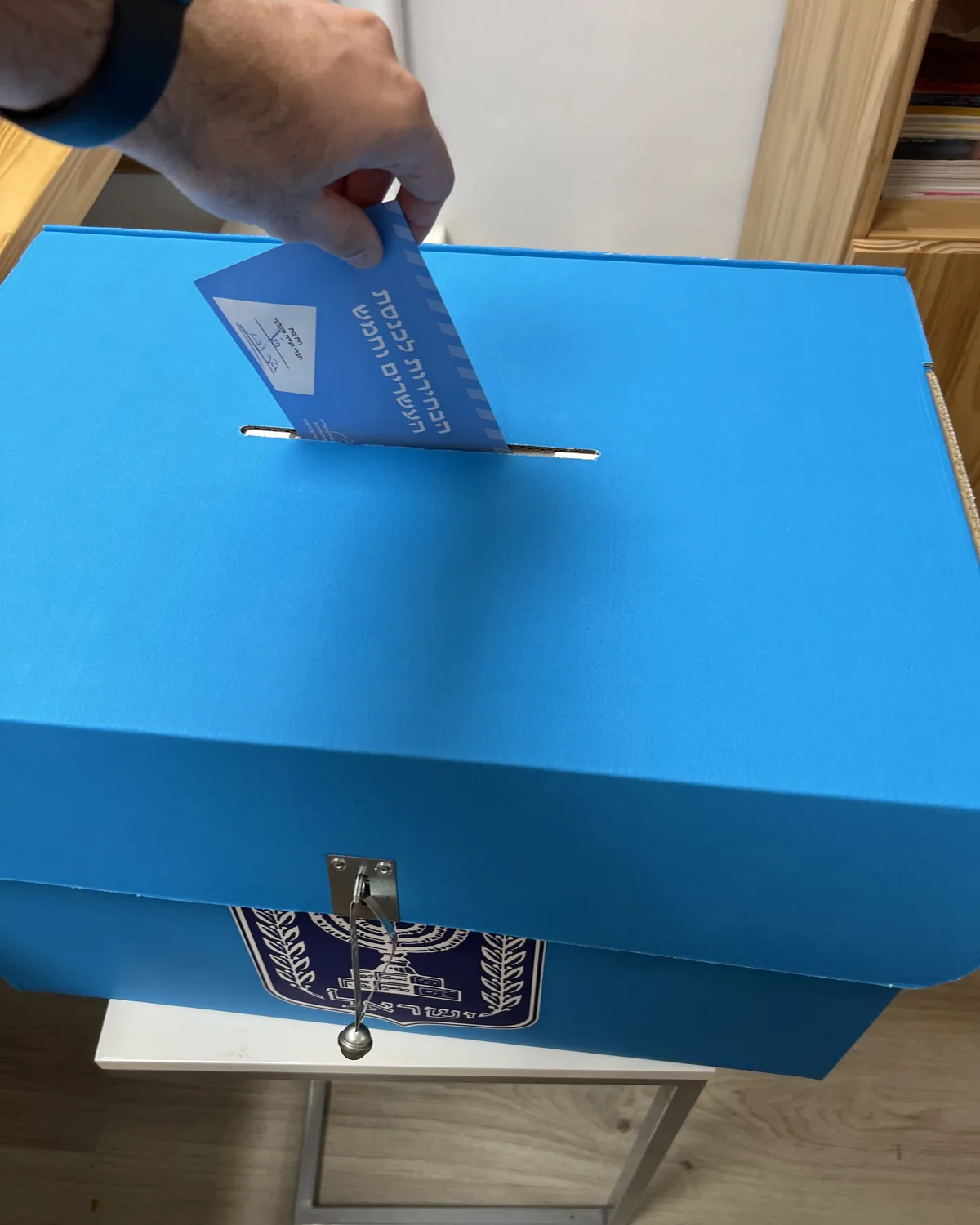
So it’s a fine day to tour, as long as you plan it around that. I’d normally start early at a headline site, or pick somewhere the crowds don’t reach. I’ll be voting myself (I think it’s important, and I rather enjoy it), so on the day I build our timings around a stop at my own polling station.
If you’re flying out in the days just after the election, it may be worth allowing a little extra time at the airport; news reports talk of tens of thousands of Israelis who live abroad flying home to vote, and many of them will be heading back at the same time.
Seeing it up close
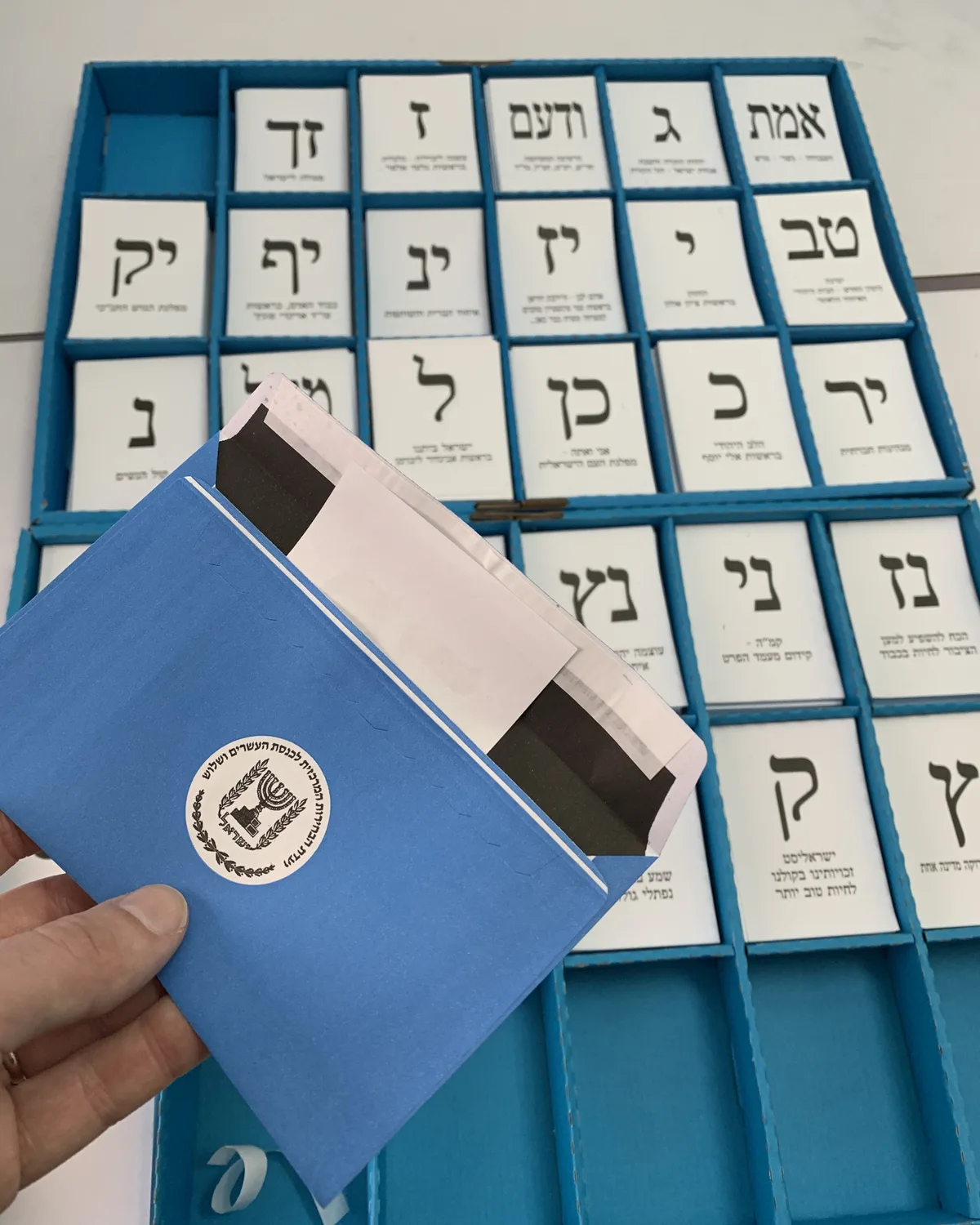
If it interests you, we can swing by a polling station to get a feel for it. I can talk you through the slogans on the stands outside, who the parties actually are, and how the voting system works (which takes some explaining if you’re used to voting for a named candidate in your own constituency).
The evening is mostly a television night. The moment the polls close at 10pm, the three main channels put out their exit polls, and much of the country is watching. The parties hold their own election-night events for supporters and the press (in 2022 the big ones were in Jerusalem and Tel Aviv), and the leaders’ speeches tend to come after midnight, once the picture is clearer.
For me, I find the evening on television quite dull. In the UK, there are gradual announcements of results throughout the night, and so it can be quite exciting, especially when there’s an upset at a particular seat. Here, everyone is speculating until the polls close, the exit polls are released, and then you wait until the final count to see what the numbers are, but there’s no gradual drip of information. Because seats are awarded on the basis of the percentage of the vote, you need all the votes counted for the real picture.
One thing I can’t help with is predictions. Guests always ask, and after being here for enough of these I’ve learned that nobody really knows until the results are in.
For the days that really do change how a trip runs (Shabbat and the Jewish holidays, when transport stops and much of the country closes), I’ve set it all out on my plan your trip page. Election day isn’t one of them. It’s just a slightly different Tuesday, with better traffic and busier beaches.


Leave a comment