The Gaza Envelope
A day to understand and bear witness in the communities that bore the brunt of October 7th, balanced with the life that goes on.
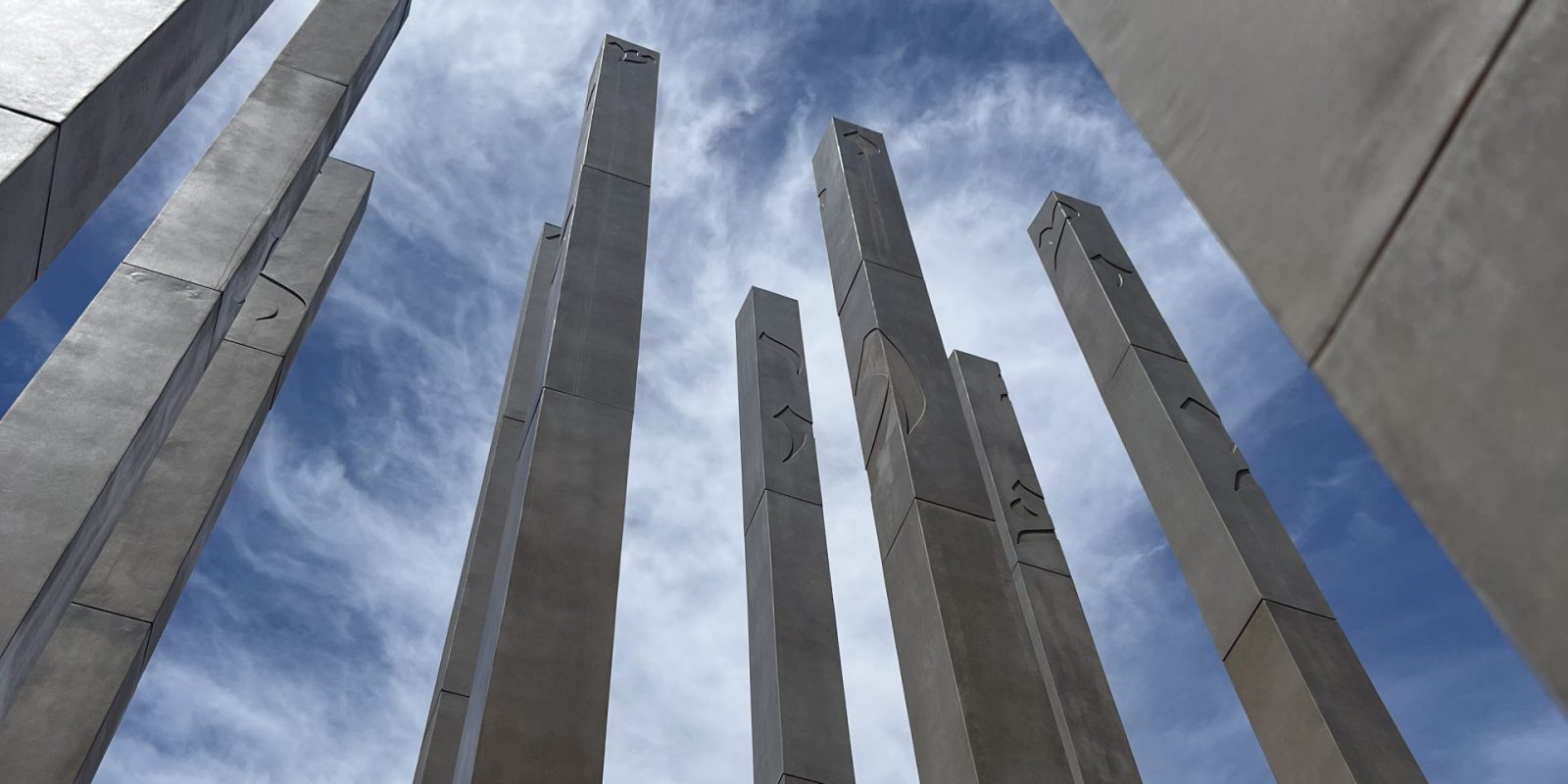
The shape of the day
This is the hardest day I guide, and one I thought carefully about before offering at all. The Gaza Envelope (Otef Aza) is the stretch of southern Israel along the border that bore the brunt of the Hamas attacks of October 7th.
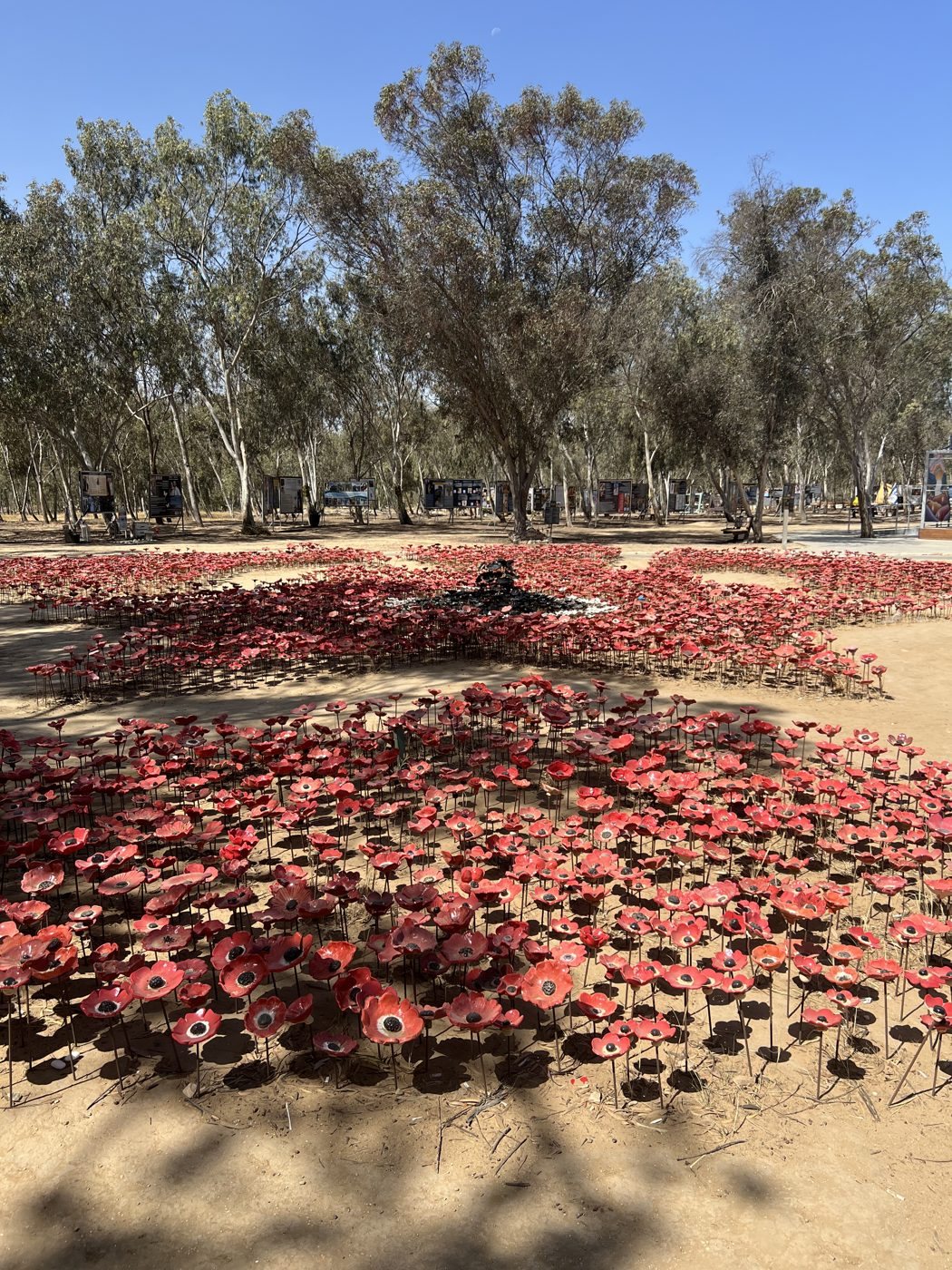
We visit the places people most want to understand: the memorial at the site of the Nova festival; the small roadside shelters along Route 232 that became places of refuge; the collected wreckage of the burnt cars; and the memorial at the police station in Sderot, the town closest to Gaza.
I build in life as well as loss. The Shuva Achim rest stop, where three brothers’ coffee stand for soldiers grew into something extraordinary; the tomb of the Baba Sali in nearby Netivot, full of celebration and noise; a proper lunch. The point is to bear witness without making the whole day about the worst of it.
How we shape it is up to you. Some want to see everything; others would rather hear the stories of the people than the details of their final moments. I’ll follow your lead, and I’ll be honest if parts of it are hard for me too.
Sites we visit
- The Nova festival memorial
- The roadside shelters along Route 232
- The burnt-car memorial
- Sderot: the police-station memorial & the Kobi Lookout
- The Shuva Achim rest stop
- The tomb of the Baba Sali, Netivot
Who it’s for
This day is for anyone who wants to understand October 7th by standing in the places it happened, and to show solidarity with the communities there, who, when I asked, were clear they want visitors to come.
It asks something of you emotionally, so it sits best somewhere in the middle of a longer trip, with room to prepare and to process, rather than on your first or last day. I only guide this privately, and I shape the day around your interests.
FAQ
Is it appropriate to visit at all?
It’s a fair question, and one guides genuinely debate. When I asked the people living there, the answer was a clear yes: they value the solidarity, the economic support of visitors spending time in the area, and the act of bearing witness at a time when the events are already being denied.
The caveat they gave, and I’d echo, is to come for the right reasons and with sensitivity, not for shock value or a photograph. If you come in that spirit, it matters.
Is it safe?
I monitor the situation continuously and adjust the route, and I’ll be straight with you in advance if a day doesn’t look sensible. Some sites close at short notice for military reasons, so we stay flexible.
How should we approach it, and is it suitable for children?
Gently, and with room around it. I’d suggest placing it in the middle of your trip, not the first or last day, so there’s time to prepare and to process afterwards. We can focus on the stories of the people rather than the details of their final moments, which is often more powerful in any case.
Whether it’s right for children depends on the child and the family. The closest parallel is Yad Vashem, which has a minimum age of 10.
My gut says not to take children younger than high-school age, and even then to think carefully about the specific sites and how we approach them.
Can we visit one of the kibbutzim, like Be’eri or Kfar Aza?
Sometimes, by prior arrangement. The gates that once stood open are now closed to casual visitors, but members of some communities will take you round and share what they lived through.
I’ll look into it for you if that’s something you want, and we’ll judge together whether it’s right.

Make this itinerary yours
Tell me who’s travelling, your dates and where you want to focus. I’ll put together a personalised proposal.
For urgent bookings, send me a WhatsApp
If you are going to Israel, you would be mad not to give him a call.
Amol Rajan, BBC presenter and broadcaster
Having been on trips in Israel with seven different tour guides, Samuel stood above all the rest.
Seasoned Israel traveller
Samuel is one part walking encyclopedia, one part storyteller, one part stand-up comedian.
Berkeley Haas Business School student